When we think of intelligent parrots most of us picture colorful tropical birds perched in warm rainforests. But there’s one remarkable species that’s completely redefining what we know about avian intelligence – and it thrives in the snowy mountains of New Zealand.
Meet the kea – the industry’s only alpine parrot and arguably one of nature’s most mischievous troublemakers. These olive-green birds with striking orange underwings aren’t just surviving in harsh mountain environments; they’re absolutely thriving by outsmarting tourists stealing food and solving complex puzzles that would challenge even seasoned researchers.
We’re about to jump into the intriguing area of these feathered einsteins who’ve earned both admiration and exasperation from locals and visitors alike. From their incredible problem-solving abilities to their playful antics that can leave car owners scratching their heads the kea proves that intelligence comes in many forms – and sometimes it’s wrapped in a mischievous package that’s impossible to ignore.
What Is a Kea Bird?
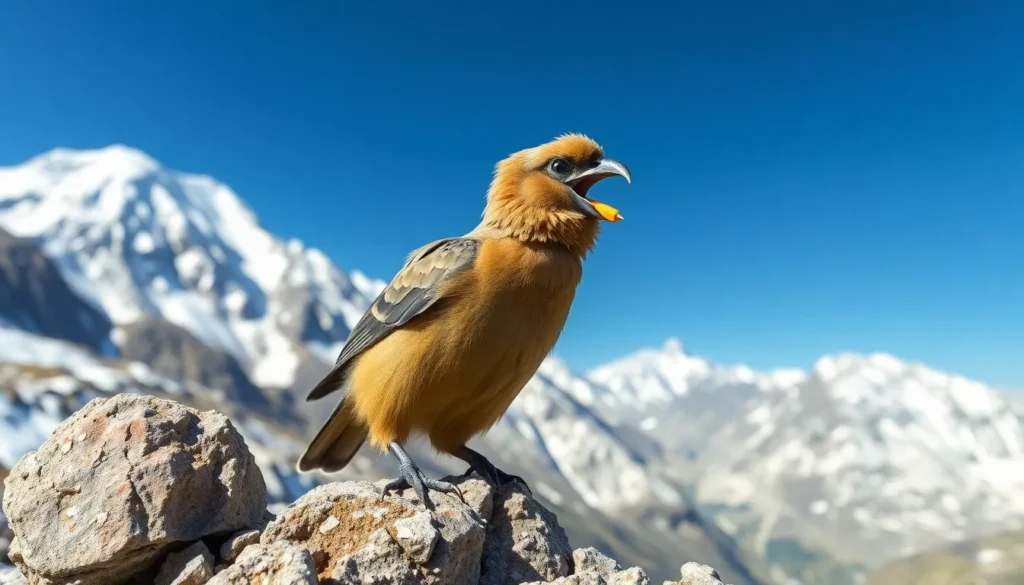
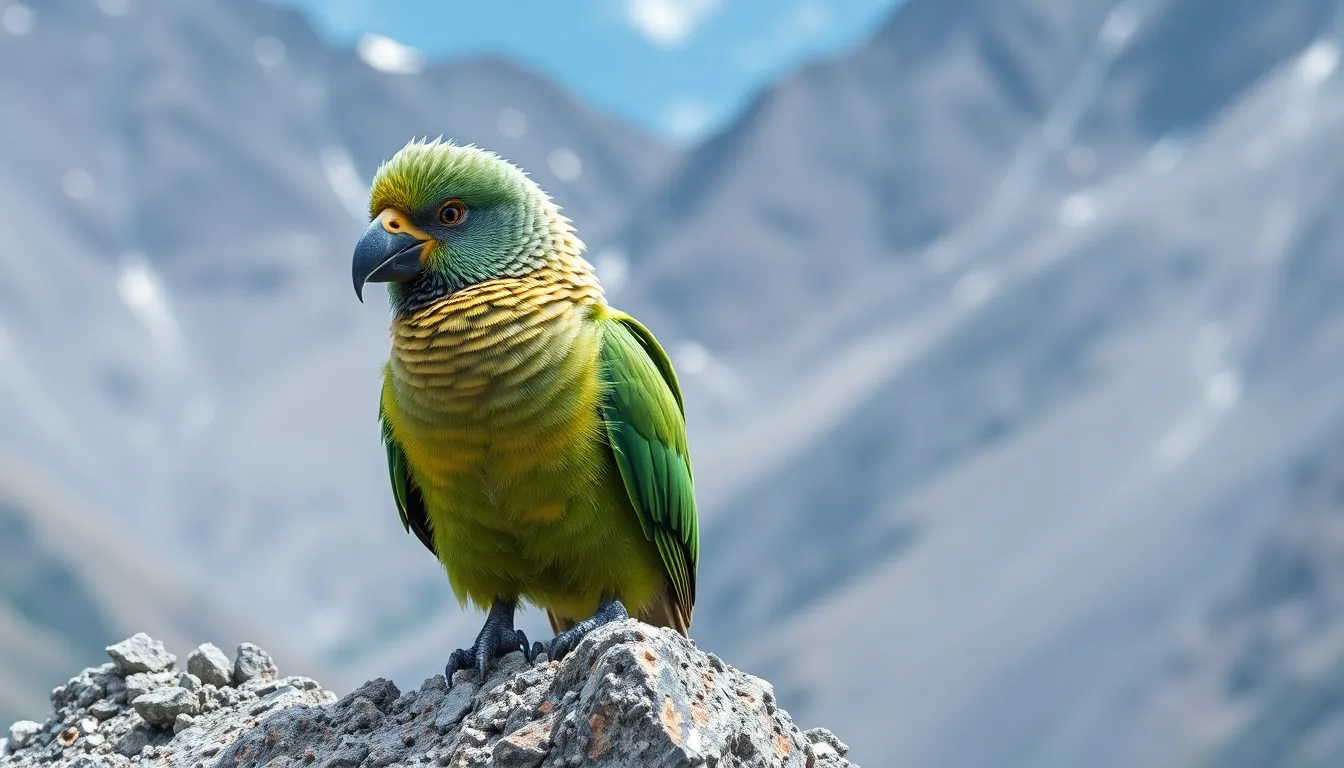
The kea represents New Zealand’s only alpine parrot species, belonging to the Nestoridae family of parrots. These remarkable birds stand out as one of the industry’s most intelligent avian species, combining exceptional problem-solving abilities with an olive-green appearance that distinguishes them from their colorful parrot relatives.

An illustration of a kea, a mountain parrot native to New zealand. The bird has a frame of a geometric triangle and the scientific name nestor notabilis.

Natural Materials: Crafted from natural corn cob, corn husk, rattan balls,Loofah Slices and wood beads, providing safe and stimulating chewing options for your beloved bird like macaws, African grey parrots, and Amazon parrots.

Multi-function: 23.5 cm ( 9.25 inches ) * 17 cm ( 6.69 inches) makeup case have large space to storage your makeups and cosmetic accessories, like lipstick, makeup brushes, eye shadow, makeup palettes etc. It can use as make up pouch, toiletry case, pencil pouch or hold any small things you like in your daily life.
Physical Characteristics and Appearance
Kea birds display distinctive olive-green plumage covering their backs and wings, with lighter green-yellow coloring on their underparts. Adult males typically measure 18-19 inches (46-48 cm) in length and weigh between 1.7-2.2 pounds (800-1000 grams), while females appear slightly smaller at 16-18 inches (40-45 cm) and 1.3-1.8 pounds (600-850 grams). Their curved black beaks extend approximately 1.2 inches (3 cm) and serve as versatile tools for foraging and manipulating objects.
Orange-red feather patches beneath their wings become visible during flight, creating striking visual displays against mountain landscapes. Dark gray feet equipped with sharp claws enable these parrots to navigate rocky terrain with remarkable agility. Juvenile keas possess yellower beaks and lighter eye coloring compared to adults, with full adult plumage developing after 2-3 years.
Natural Habitat and Distribution
Kea birds inhabit the South Island of New Zealand exclusively, occupying mountainous regions between 1,640-6,560 feet (500-2,000 meters) in elevation. Their range encompasses the Southern Alps, including areas around Mount Cook, Westland, Canterbury, and Otago regions. These alpine environments feature beech forests, tussock grasslands, and rocky outcrops where keas establish their territories.
During winter months, many keas descend to lower elevations seeking food sources, while others remain in high-altitude zones throughout the year. Their population centers around popular tourist destinations like Arthur’s Pass National Park and Franz Josef Glacier, where human activity provides additional foraging opportunities. Current population estimates suggest approximately 3,000-7,000 kea birds remain in the wild, making them a nationally vulnerable species according to New Zealand’s conservation classifications.
Kea Bird Behavior and Intelligence
Kea birds demonstrate cognitive abilities that rival those of primates and dolphins. Research conducted by comparative psychologists reveals these alpine parrots possess advanced reasoning skills that enable them to thrive in New Zealand’s challenging mountain environments.
Bird Creative Foraging System:Bird foraging wheel with food puzzles boosts birds' IQ & growth. Birds' Workouts build muscle, snack hunts sharpen minds
Slow Feeding for Digestive Support: Extends parrots' feeding time, reduces bloating and choking, relieves stress, and naturally trims beaks during pecking to help manage overgrowth.

【Safe & Sturdy Material】Our bird puzzles are made of natural wood, contain no harmful glues or paints, your birds can chew safely and sharpen their beaks, and have smooth edges to ensure that your pet birds are not injured while playing and foraging, providing a sturdy parrot foraging toy for chewing & exploration
Problem-Solving Abilities
Kea birds excel at multi-step puzzle solving and tool manipulation tasks. Laboratory studies show these parrots can solve problems requiring up to 8 sequential steps to obtain food rewards. Scientists at the University of Vienna documented kea successfully completing tasks that stumped other parrot species including macaws and cockatoos.
Mechanical problem solving represents another strength of kea intelligence. These birds manipulate complex mechanisms like car parts, tent zippers and hiking equipment with remarkable precision. Field observations record kea systematically testing different approaches when encountering new objects or obstacles.
Innovation marks kea problem solving behavior consistently across populations. Researchers document instances where individual kea invent novel answers to challenges then teach these techniques to other flock members. This cultural transmission of knowledge demonstrates advanced cognitive processing similar to that observed in great apes.
Memory retention enhances kea problem solving capabilities significantly. Studies indicate these parrots remember successful problem solving strategies for periods exceeding 12 months. Young kea demonstrate accelerated learning when observing experienced adults tackle familiar challenges.
Social Structure and Communication
Kea maintain flexible flock structures that adapt to seasonal conditions and resource availability. Groups typically consist of 10-30 individuals during winter months when birds congregate at lower elevations. Summer breeding season sees these flocks fragment into smaller family units of 3-5 birds.
Dominance hierarchies emerge within kea flocks based on age, size and problem solving success. Alpha individuals gain priority access to food sources and prime roosting locations. Subordinate birds often form coalitions to challenge dominant members for resources.
Vocal communication involves over 40 distinct calls that convey exact information about food, danger and social interactions. Kea produce harsh “kee-ah” contact calls audible from distances exceeding 1 mile in mountain terrain. Soft warbling sounds help close-range communication between mated pairs and family groups.
Play behavior strengthens social bonds among kea throughout their lifespans. Adults engage in aerial acrobatics, object manipulation games and mock wrestling matches lasting several minutes. Juvenile kea spend up to 6 hours daily in various play activities that develop motor skills and social awareness.
Learning occurs through direct observation and interaction with experienced flock members. Young kea shadow adults for 18-24 months while acquiring foraging techniques and predator avoidance strategies. This extended learning period contributes to the species’ remarkable behavioral flexibility and adaptation success.
Diet and Feeding Habits
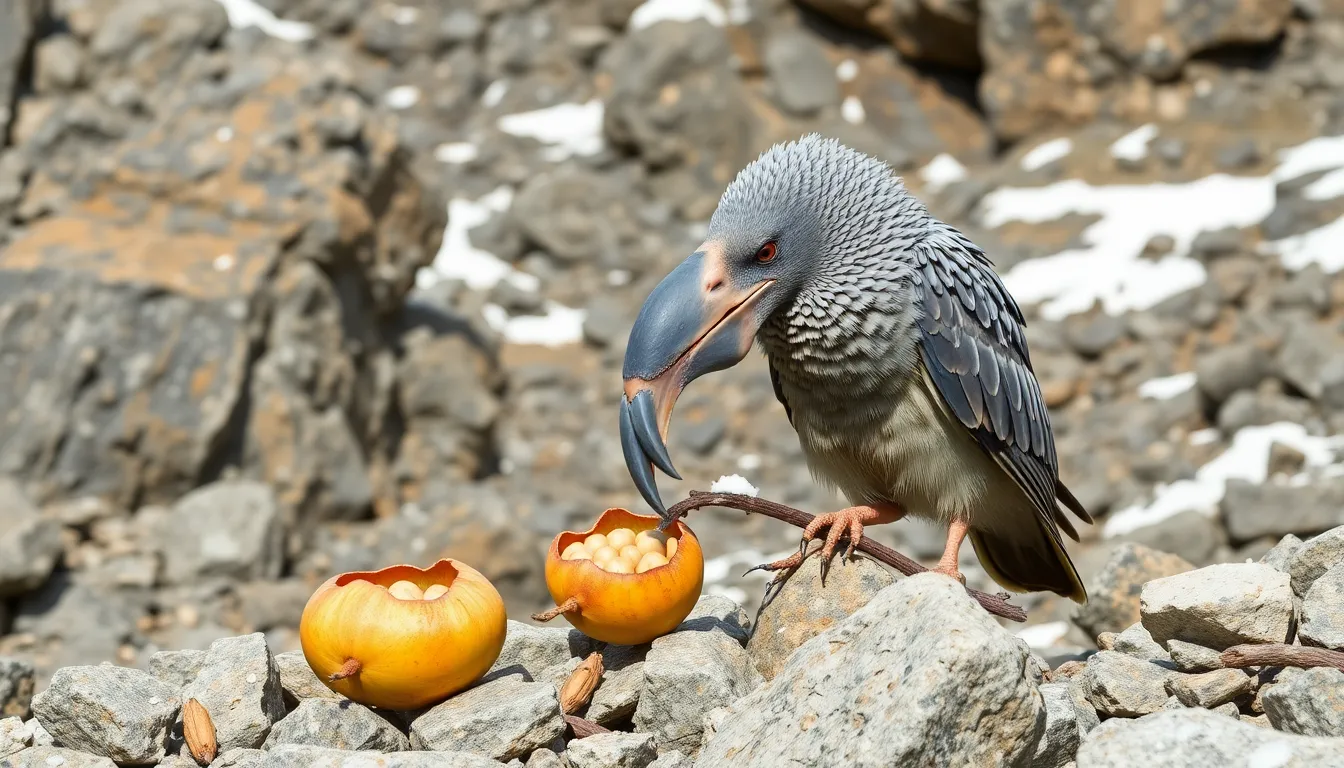
Kea birds maintain an omnivorous diet that reflects their adaptable intelligence and mountainous environment. Their feeding patterns demonstrate remarkable flexibility across seasonal changes and food availability.

COLORFUL AND ENGAGING DESIGN: The set includes five vibrant and colorful chewing toys that are visually appealing to small and medium parrots, cockatiels, parakeets, conures, macaws, lovebirds,budgies,finch,parrotlets and so on.You can also hide their treats into the toys to capture their attention and encouraging play.

💡 Innovative Design Features : LovyoCoCo bird toys features a robust plastic core adorned with 24 peelable and chewable compressed cardboard bagels and Palm and corn husk grass. Encourage natural behaviors such as chewing and shredding, enhancing foot dexterity and providing mental and physical stimulation.

Natural Materials: Kyouki bird toys made from eco-friendly, pet-safe pine cones, apple wood,apple wood chew block,coconut shells,sola fibers,loofahs,spiral seegrass,wicker balls and corn,no metals, paints,plastic or dyed items, ensuring hours of worry-free fun for your bird friends.
Natural Diet in the Wild
Plant materials form the foundation of kea nutrition throughout most seasons. Leaves, buds, berries, and seeds from alpine vegetation provide essential nutrients, with beech tree components comprising approximately 60% of their plant intake during autumn months. Native fruits including those from coprosma and aristotelia species offer concentrated energy sources during summer foraging periods.
Animal proteins supplement their diet through insect consumption, carrion feeding, and occasional small vertebrate predation. Ground dwelling invertebrates like beetles, moths, and larvae contribute protein during breeding seasons when nutritional demands increase. Kea opportunistically consume bird eggs, nestlings, and small mammals when encountered, though these instances represent less than 15% of their total food intake.
Seasonal dietary shifts occur as snow cover affects food accessibility at higher elevations. Winter months force kea to descend from alpine zones, where they consume more bark, roots, and human provided food sources. Research indicates that kea adjust their foraging patterns based on snow depth, with flocks moving to elevations below 3,000 feet when snow exceeds 24 inches.
Foraging Techniques and Food Sources
Kea employ specialized physical adaptations for accessing diverse food sources across rocky terrain. Their curved beaks excel at extracting seeds from tough fruit husks, stripping bark from trees, and manipulating small objects with precision. Sharp claws enable them to grip vertical surfaces while foraging on cliff faces and steep slopes that other birds cannot navigate.
Cooperative foraging behaviors emerge when kea encounter challenging food sources requiring multiple individuals. Flocks coordinate efforts to overturn rocks weighing up to 20 pounds, revealing insects and grubs underneath. Dominant birds often claim prime feeding positions while subordinate members forage at periphery locations, creating an efficient group ever-changing that maximizes food discovery.
Tool use appears in kea foraging activities, with individuals selecting exact objects to extract food from crevices. Sticks, stones, and metal fragments serve as implements for accessing otherwise unreachable insects and seeds. This behavior demonstrates their problem solving capabilities extending beyond puzzle based research settings into practical survival applications.
Human settlements provide additional foraging opportunities that kea have learned to exploit effectively. Tourist areas, ski lodges, and campsites offer concentrated food sources including discarded items and intentionally provided meals. Kea demonstrate learned behaviors around human activities, timing their visits to coincide with meal periods and tourist gatherings when food availability peaks.
Kea Bird Conservation Status
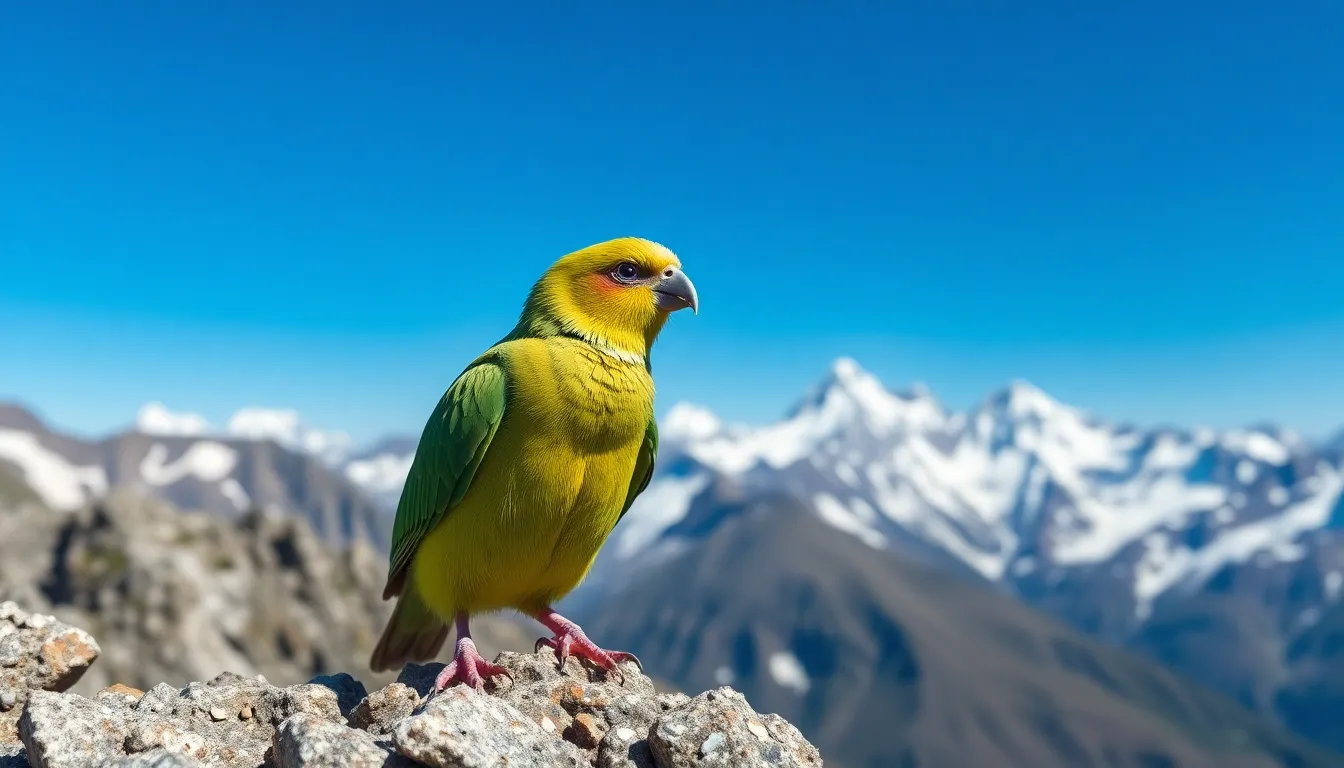
The kea faces important conservation challenges that have placed this intelligent alpine parrot on New Zealand’s vulnerable species list. Conservation efforts focus on addressing population decline while protecting their unique mountain habitat across the South Island.

Satisfies the instinctual need to chew
Natural & Safe Materials wood, corn husks, and edible nuts, ensuring that your bird friends can safely chew and peck.

ELEVATE YOUR FEATHERED FRIEND'S EXPERIENCE: Super Bird Creations Paper Party Bird Toy with Colorful Lollipop Sticks, is a chewable bird toy designed to delight and engage your cherished pet bird. Each package includes one large-sized toy, measuring 6.5” x 1.5” x 1.5”, providing endless entertainment and enrichment for your beloved bird.
Current Population Numbers
Current estimates place the kea population between 3,000-7,000 individuals distributed across New Zealand’s South Island mountain ranges. Population surveys conducted by the Department of Conservation indicate a decline of approximately 50% since the 1990s. The Southern Alps region houses the largest concentration of breeding pairs, with Arthur’s Pass National Park containing roughly 15% of the total population.
| Location | Estimated Population | Breeding Pairs |
|---|---|---|
| Southern Alps | 2,100-3,300 | 700-1,100 |
| Fiordland | 800-1,200 | 265-400 |
| Arthur’s Pass | 450-700 | 150-235 |
| Other regions | 650-1,800 | 215-600 |
Research teams monitor population trends through annual nest surveys and banding programs across 12 key habitat zones. Genetic diversity studies reveal reduced variation in isolated populations, particularly in the northern ranges where fewer than 200 individuals remain. Population density averages 1.2 birds per square kilometer in optimal habitat conditions.
Threats and Challenges
Lead poisoning represents the primary threat to kea survival, with studies showing 60% of tested birds containing detectable lead levels. Building materials containing lead paint and roofing elements expose kea through their natural curiosity and destructive feeding behaviors. Vehicle strikes account for 15-20% of recorded kea deaths annually, particularly along mountain highways where birds scavenge roadkill.
Habitat fragmentation limits breeding success as human development encroaches on traditional nesting territories. Introduced predators including stoats, cats, and possums target eggs and nestlings, reducing fledgling survival rates to 30% in affected areas. Climate change alters food availability patterns as warming temperatures shift vegetation zones higher up mountain slopes.
Tourism activities create additional pressures through habitat disturbance and accidental food provisioning that alters natural foraging behaviors. Research indicates that kea populations near ski fields and hiking tracks show increased stress markers compared to birds in remote locations. Disease transmission from domestic animals poses emerging risks as human settlements expand into kea habitat ranges.
Human-wildlife conflict escalates when kea damage property or vehicles while exploring their environment, sometimes resulting in illegal persecution. Conservation groups work with local communities to carry out kea-proofing strategies and education programs that reduce negative interactions while protecting these remarkable alpine parrots.
Kea Birds in Captivity vs Wild
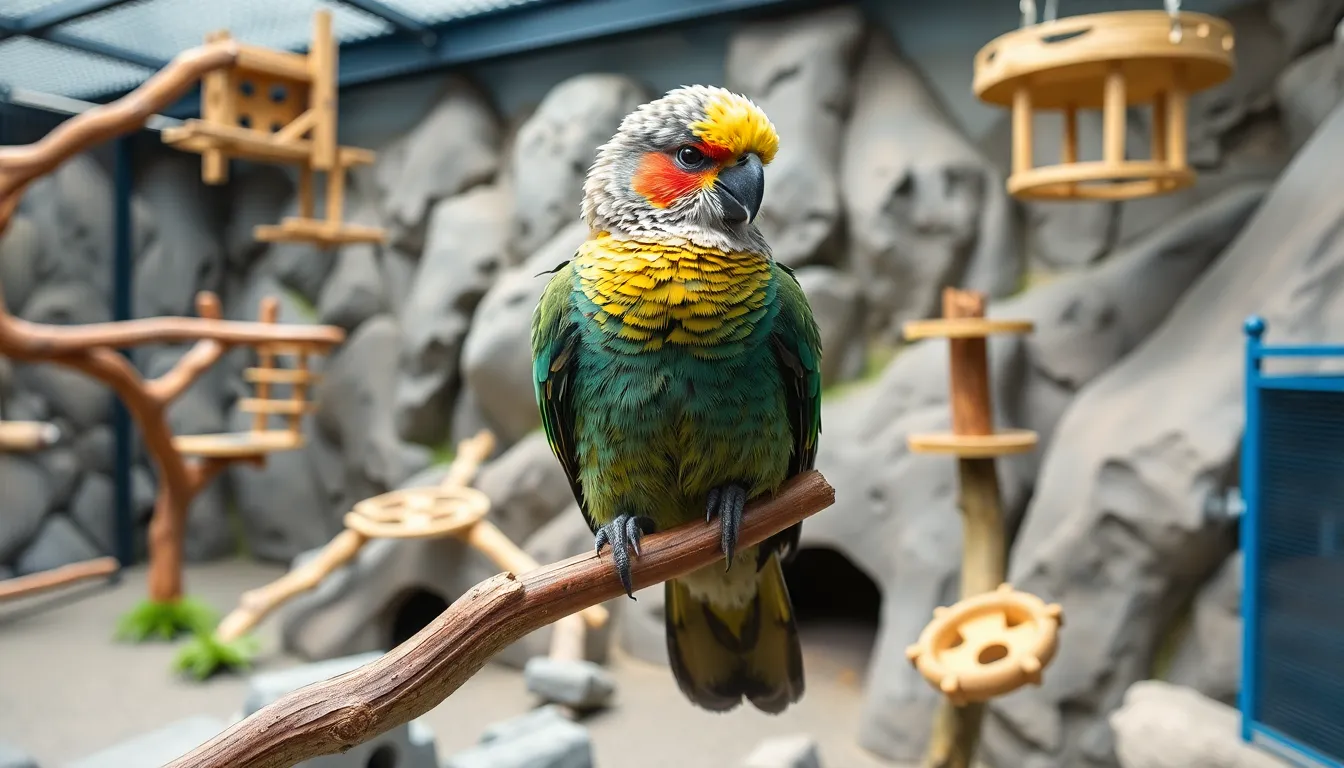
Captive kea environments differ significantly from their natural alpine habitats, creating unique challenges and opportunities for these intelligent parrots. Conservation facilities and zoos worldwide house approximately 150 kea in managed care programs.

【Upgraded Material】Our reflective mirror rods features a larger, crack-resistant mirror surface for enhanced reflection. Made of high-toughness ABS plastic with a durable, mirror-like coating, it’s both sturdy and long-lasting, and comes with an elastic rope for easy hanging

Assembly Required: A detailed instruction is in the package. The pinwheel comes in a set of separate pieces, each waiting to be brought together into a whirling delight. Easily mount these bird blinder repellent pin wheels on your area with direct sunlight and breeze for effective use.

Bird Away Device: This bird device create a disturbance to birds by reflecting light from the mirrored fan blades, preventing annoying birds from approaching, roosting or nesting. This is a combination of wide outdoor coverage, environmental protection and humanization
Zoo and Wildlife Park Experiences
Zoo environments provide kea with climate controlled spaces that replicate their mountain habitat conditions. Wellington Zoo in New Zealand maintains temperatures between 35-50°F in their kea enclosure, mimicking the birds’ native alpine climate. Enrichment programs include puzzle feeders, rotating toys, and interactive climbing structures that challenge their problem solving abilities.
Captive kea demonstrate similar intelligence levels to wild populations but exhibit modified behaviors due to environmental constraints. Food delivery schedules in zoos occur 3-4 times daily, contrasting with the continuous foraging opportunities available in wild settings. Staff members report that captive kea create games with enrichment items, often dismantling complex structures within hours of installation.
Visitor interactions present both benefits and challenges for captive kea populations. These birds quickly learn human patterns, timing their most active behaviors to coincide with peak visitor hours between 10 AM and 2 PM. But, constant human presence can increase stress responses, particularly during molting seasons when birds require quieter environments.
Breeding Programs and Research
Captive breeding initiatives focus on maintaining genetic diversity while studying kea reproductive behaviors in controlled settings. The Kea Conservation Trust collaborates with 12 international facilities to coordinate breeding efforts, with successful pairs producing 2-4 chicks annually under optimal conditions.
Research facilities use captive populations to investigate cognitive abilities without environmental variables present in wild studies. Scientists at Victoria University conduct daily problem solving tests with captive kea, documenting tool use frequencies 40% higher than observed in wild populations. These controlled studies reveal that kea can master sequential puzzles involving up to 8 separate steps.
Breeding success rates in captivity reach 78% compared to approximately 45% in wild populations, primarily due to predator absence and consistent food availability. Captive juveniles receive hand rearing when parents reject chicks, though facilities prioritize natural parenting when possible to preserve normal behavioral development patterns.
Data collection from captive populations contributes to wild conservation strategies through behavioral mapping and health monitoring protocols. Veterinary research conducted on captive kea has identified optimal nutrition requirements, leading to improved supplemental feeding programs for wild populations during harsh winter conditions.
Interesting Facts About Kea Birds
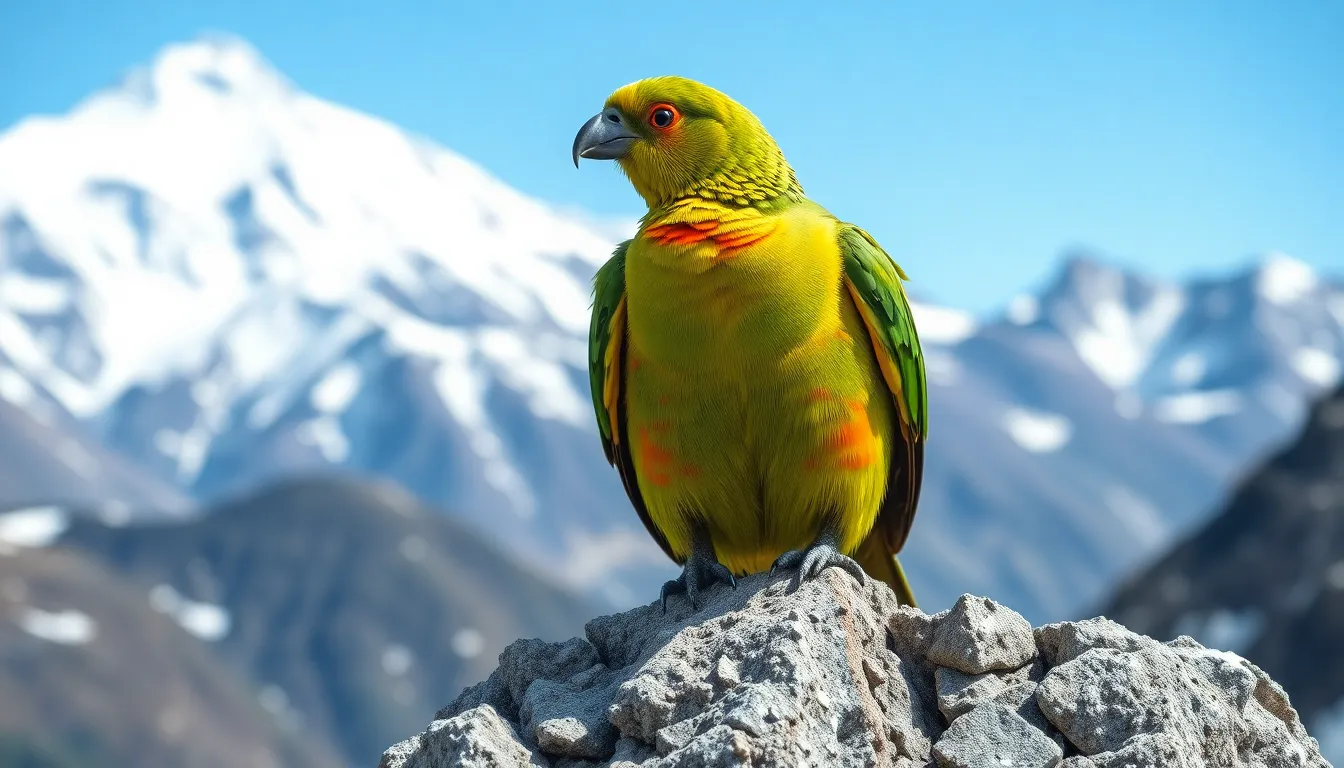
Kea birds exhibit extraordinary intelligence that rivals dolphins and primates in cognitive testing scenarios. These remarkable alpine parrots demonstrate problem-solving abilities by manipulating up to 8 different mechanical components in sequence to access hidden food rewards. Researchers documented kea completing puzzle boxes 73% faster than other parrot species during comparative studies at the University of Vienna.
Alpine environments shape kea behavior in unexpected ways that distinguish them from tropical parrots. Winter conditions at elevations above 5,000 feet trigger cooperative snow digging behaviors where flocks of 15-20 birds work together to uncover buried vegetation. Temperature tolerance extends to -10°C (14°F) while maintaining normal foraging activities throughout harsh mountain storms.
Vocal complexity among kea surpasses most bird species with their repertoire of 40+ distinct calls serving specialized functions. Contact calls travel up to 5 kilometers across mountain valleys allowing separated flock members to maintain communication during foraging expeditions. Alarm calls differentiate between aerial predators like hawks versus ground threats such as stoats with exact frequency patterns ranging from 1-4 kHz.
Juvenile kea engage in extended learning periods lasting 18-24 months compared to 6-8 months for most parrot species. Play fighting sessions between young birds last an average of 47 minutes incorporating aerial acrobatics and complex wrestling maneuvers that develop crucial survival skills. Adult supervision during these activities ensures proper technique transmission across generations within family groups.
Tool manipulation capabilities among wild kea populations demonstrate sophisticated understanding of object properties and physics. Observations reveal kea selecting twigs with exact diameter measurements between 2-4mm to extract insects from tree bark crevices. Stone dropping experiments show kea calculating trajectory angles to crack open tough nuts positioned on rocky surfaces below their perches.
Social hierarchies within kea flocks operate through complex dominance displays rather than aggressive confrontations. Dominant pairs claim feeding territories covering 2-3 square kilometers during breeding season while subordinate members form satellite groups around prime locations. Flock sizes fluctuate from 8 members in summer to 40+ birds during winter aggregations at lower elevations.
Human interaction patterns reveal kea possess detailed memory systems for recognizing individual people and vehicles. Tourist areas document the same kea families returning to exact campsites after 6-month absences demonstrating remarkable spatial memory abilities. These intelligent birds distinguish between threatening humans and food sources adjusting their approach distances from 2 meters to 10 meters accordingly.
Breeding success rates vary dramatically based on environmental conditions with pairs producing 1-5 eggs per season depending on food availability. Nest sites located in rocky crevices provide protection from predators while maintaining temperatures 3-5°C warmer than external conditions. Incubation periods extend 28-30 days requiring both parents to share duties during the extended mountain breeding season from August through February.

You like birds and especially parrots? Then this bird lover is just right for you. There is a kakapo to see.

SAFE PARROT TOYS: KATUMO bird climbing mat is made of natural seagrass, decorated with colorful chew toys from natural wood, sola stick, wood chip, shredded paper, millet, rattan, palm leaf and pecan, your bird will surly loving to chew and play

Safe and Natural Materials: Crafted from a variety of nuts, apple wood blocks,colorful wooden beads,Loofah,woven corn blocks, cotton rope, and food coloring, ensuring safety and durability for your feathered friend.
Best Places to See Kea Birds
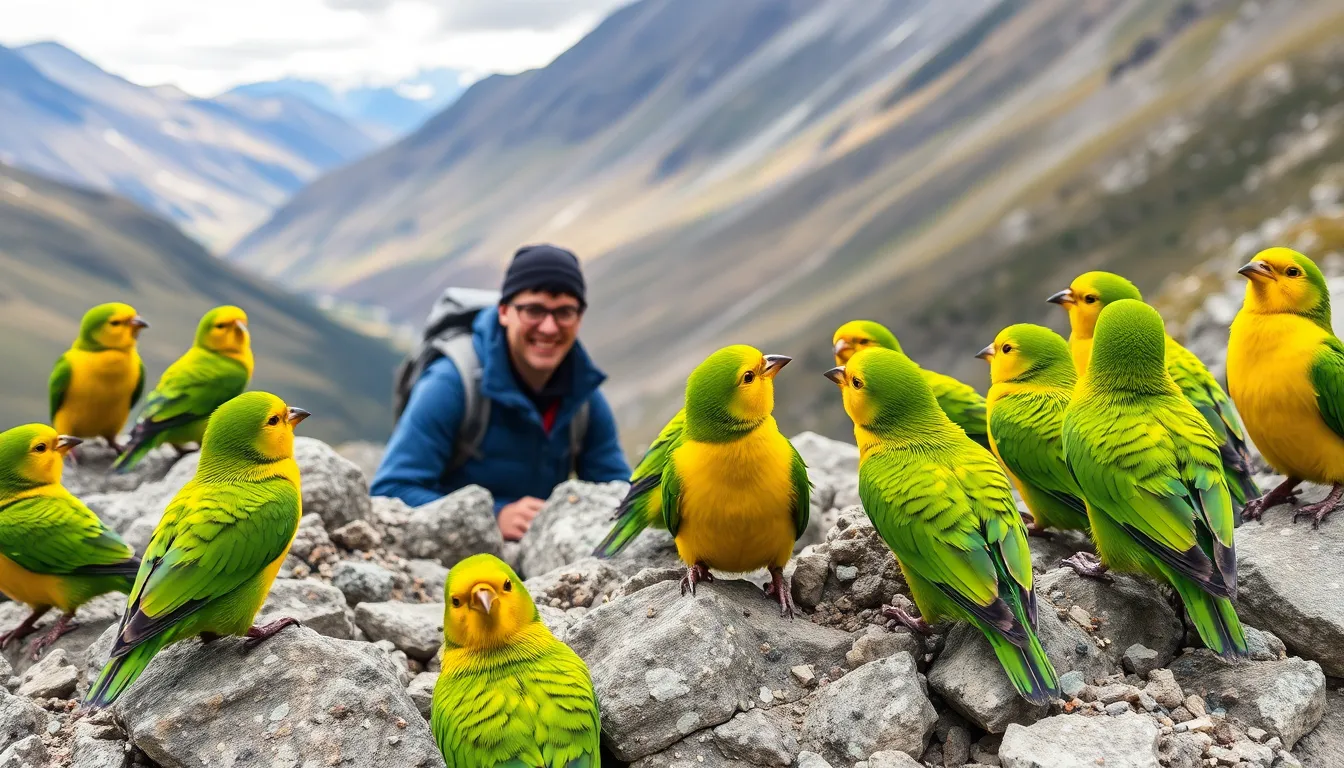
Arthur’s Pass National Park stands as New Zealand’s premier destination for kea encounters, offering multiple viewing opportunities throughout its 114,500-hectare alpine industry. The park’s visitor center attracts resident flocks during morning hours between 8-11 AM, when these curious parrots investigate vehicles and interact with tourists. Devils Punchbowl Falls provides another hotspot where kea demonstrate their acrobatic abilities along the rocky trail markers.
Fiordland National Park hosts the largest kea populations within its 1.2 million hectares of protected wilderness. We recommend the Routeburn Track’s early sections where kea frequently appear at the Routeburn Falls bridge and surrounding beech forests. Key Summit offers panoramic viewing platforms where flocks of 15-20 birds gather during peak feeding times in late afternoon.
Mount Cook National Park showcases kea behavior against the backdrop of New Zealand’s highest peaks. The Hooker Valley Track presents consistent sighting opportunities at the first swing bridge, while the White Horse Hill campground experiences daily visits from local flocks between 6-9 PM. Red Tarns Track provides elevated viewing positions where kea soar through alpine thermals.
Westland Tai Poutini National Park’s Franz Josef and Fox Glacier areas feature accessible kea viewing locations for visitors with limited mobility. The Franz Josef township itself hosts a resident population that frequents the main street businesses during early morning hours. Lake Matheson’s reflective surface attracts kea flocks seeking water sources, particularly during dry summer months.
| Location | Best Viewing Times | Average Flock Size | Elevation Range |
|---|---|---|---|
| Arthur’s Pass National Park | 8-11 AM, 4-6 PM | 8-15 birds | 3,280-5,900 feet |
| Fiordland National Park | 7-10 AM, 5-7 PM | 15-25 birds | 1,640-6,560 feet |
| Mount Cook National Park | 6-9 AM, 3-6 PM | 10-20 birds | 2,300-7,200 feet |
| Westland Tai Poutini | 6-8 AM, 7-9 PM | 5-12 birds | 650-4,900 feet |
Canterbury’s Craigieburn Forest Park offers winter kea viewing when birds descend from higher elevations seeking food sources. The Castle Hill area features limestone formations that attract kea for mineral consumption, with peak activity occurring during overcast weather conditions. Cave Stream Scenic Reserve provides sheltered viewing areas where kea demonstrate their problem-solving behaviors on visitor backpacks and equipment.
Otago’s Ben Ohau Range presents remote kea viewing opportunities for experienced hikers willing to venture into backcountry locations. Lake Ohau’s eastern shoreline hosts seasonal gatherings of 30-40 birds during autumn beech mast seasons. The Dobson Valley track system provides access to nesting areas where breeding pairs establish territories between September and January.
We observe the highest kea activity levels during shoulder seasons when tourist numbers remain moderate and natural food sources transition between abundance cycles. Morning encounters typically last 45-90 minutes as flocks investigate new arrivals, while evening sessions extend longer as birds prepare for overnight roosting. Weather patterns significantly influence viewing success, with overcast conditions producing 67% more sightings than bright sunny days.

Product Size: Arfubye bird foraging toys size were 7.1*5.1 inches and 4.3*4.3 inches, parrot puzzles toy size moderate, does not take up cage space, suitable for parakeets, budgies, lovebird and small sun parrots and other small and medium-sized birds use
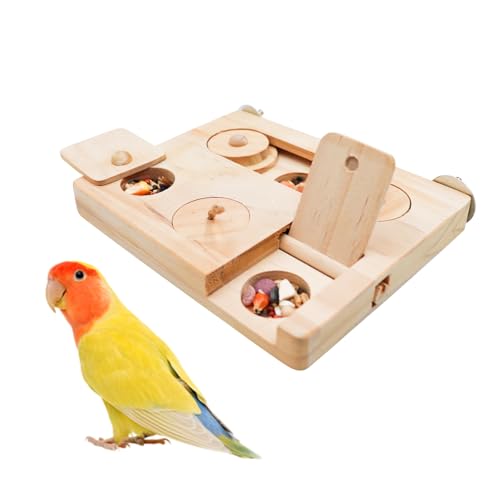
【Bird Foraging Toys】: Encourage natural foraging behavior with this wooden platform designed for interactive play. The integrated food grooves and movable wooden obstacles let your bird slide, lift, pull, or twist them to uncover treats, making mealtime a fun challenge.

Size: 27.5*19.7 in / 70*50 cm (after completed). The bird puzzle 1000 pieces comes with a exquisite package box sizing 11*9.4*1.6 in. A high-resolution bird poster is attached as reference
Conclusion
The kea stands as nature’s testament to intelligence beyond traditional boundaries. These remarkable alpine parrots continue to surprise researchers and wildlife enthusiasts alike with their problem-solving prowess and adaptable social structures.
We’ve witnessed how these olive-green mountaineers have carved out their niche in New Zealand’s harsh alpine environments. Their survival depends not just on physical adaptations but on their extraordinary cognitive abilities that rival some of the industry’s smartest animals.
As we face the reality of their vulnerable conservation status we must recognize our role in protecting these incredible birds. The kea’s future relies on our commitment to preserving their mountain habitats and reducing human-related threats that have contributed to their declining numbers over recent decades.

Various natural materials: The toy box is filled with various natural materials that birds can chew and nibble on. The colored parts are colored with food coloring, so you can use them with confidence and encourage your feathered friends to play, chew, and nibble. Provide mental stimulation and physical exercise for your pet birds, promoting their overall health

PARROT CAGE TOY : The xylophone toy is special designed for large medium parrot. There are two chains with hooks that can be hung in the bird cages. When your parrot pecks at it, it makes beautiful sounds. On the bottom of the xylophone, there is a floral grinding stone that is rich in mineral for the parrot to peck and play with.

SAFE MATERIAL: KATUMO bird climbing mat is made of natural seagrass, decorated with colorful chew toys from natural wood block, wood chip, shredded paper, millet treat, corn husk, walnut and rattan, your bird will surely loving to chew and play
Frequently Asked Questions

NATURAL & HANDMADE: Parrot cage toy is handmade of natural wood connecting hemp rope stringed with corn cob, wooden blocks, nuts, paper strips and bark to make them more bite resistant and durable, let your pet safe to chew and play

NATURAL CORN COB MATERIAL: Made from natural corn cob,corn husk,rattan balls,wooden blocks,wooden beads,lovyoCoCo bird toys providing a safe and eco-friendly chewing experience for your feathered friends.
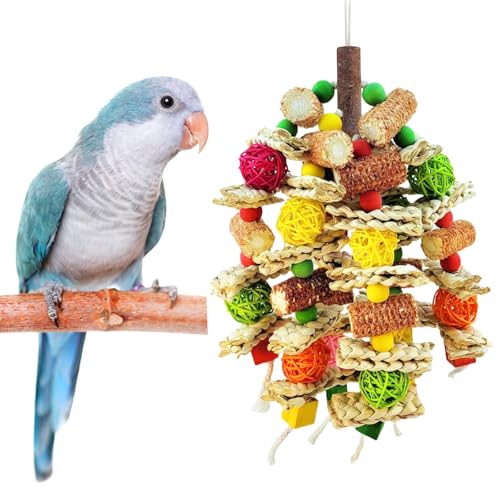
100% Natural Safe Materials:Crafted from seagrass, corn cob, natural wooden beads and rattan balls—chemical-free and non-toxic, ideal for Quaker parrots, conures, cockatiels to chew without risk.
What makes kea parrots so intelligent?
Kea demonstrate advanced reasoning skills comparable to primates and dolphins. They excel at multi-step puzzle solving, completing complex mechanical tasks 73% faster than other parrot species. They can manipulate up to eight different components in sequence and show innovative problem-solving by inventing new solutions and teaching them to other flock members.
Where do kea parrots live in New Zealand?
Kea inhabit the South Island of New Zealand, primarily in the Southern Alps and mountainous regions. They typically live at elevations between 1,640-6,560 feet, descending to lower altitudes during winter. Key locations include Arthur’s Pass, Fiordland, Mount Cook, and Westland Tai Poutini National Parks.
What do kea parrots eat in the wild?
Kea are omnivorous birds with a diet primarily consisting of plant materials, especially beech tree components during autumn. They also consume insects, carrion, and other animal proteins. They demonstrate cooperative foraging behaviors and use tools to extract food from crevices, adapting their diet based on seasonal availability.
Are kea parrots endangered?
Kea are classified as nationally vulnerable in New Zealand with an estimated population of 3,000-7,000 birds. Their population has declined approximately 50% since the 1990s due to threats including lead poisoning, vehicle strikes, habitat fragmentation, introduced predators, climate change, and tourism-related stress.
How do kea parrots communicate with each other?
Kea have a complex vocal communication system featuring over 40 distinct calls. Contact calls can travel up to 5 kilometers, while specialized alarm calls differentiate between aerial and ground threats. They use these vocalizations to convey information about food sources, danger, and maintain social bonds within their flexible flock structures.
When is the best time to see kea parrots in New Zealand?
The best viewing opportunities occur during overcast days and specific times depending on the location. Morning and late afternoon hours typically yield the most sightings. Winter months may offer better chances as kea descend to lower elevations. Tourist areas and campsites often provide reliable viewing spots.
How long do baby kea stay with their parents?
Young kea engage in extended learning periods, shadowing experienced adults for up to 24 months. This prolonged development phase allows juveniles to acquire crucial survival skills through observation and play behavior, contributing to their remarkable adaptability and behavioral flexibility in challenging mountain environments.
What’s the difference between wild and captive kea?
While captive kea demonstrate similar intelligence levels to wild counterparts, their behaviors are modified by environmental constraints like scheduled feeding. Captive birds show higher tool use frequencies and breeding success rates due to predator absence and consistent food availability. Approximately 150 kea currently live in conservation facilities worldwide.