Green parrots captivate our hearts with their vibrant emerald feathers and remarkable intelligence. These stunning birds have become beloved companions worldwide thanks to their playful personalities and extraordinary ability to mimic human speech. Whether you’re considering adding one to your family or simply curious about these fascinating creatures we’ll explore everything you need to know about green parrot species.
From the tiny Pacific Parrotlet to the majestic Amazon parrots these emerald beauties offer endless entertainment and companionship. We’ve discovered that green parrots aren’t just pretty faces – they’re incredibly smart social creatures that can learn hundreds of words and even understand context in conversations.
Our comprehensive guide will help you understand the different green parrot species their unique characteristics care requirements and what makes them such extraordinary pets. Let’s jump into the colorful industry of these amazing feathered friends and discover why they’ve stolen the hearts of bird enthusiasts everywhere.
What Is a Green Parrot Bird?
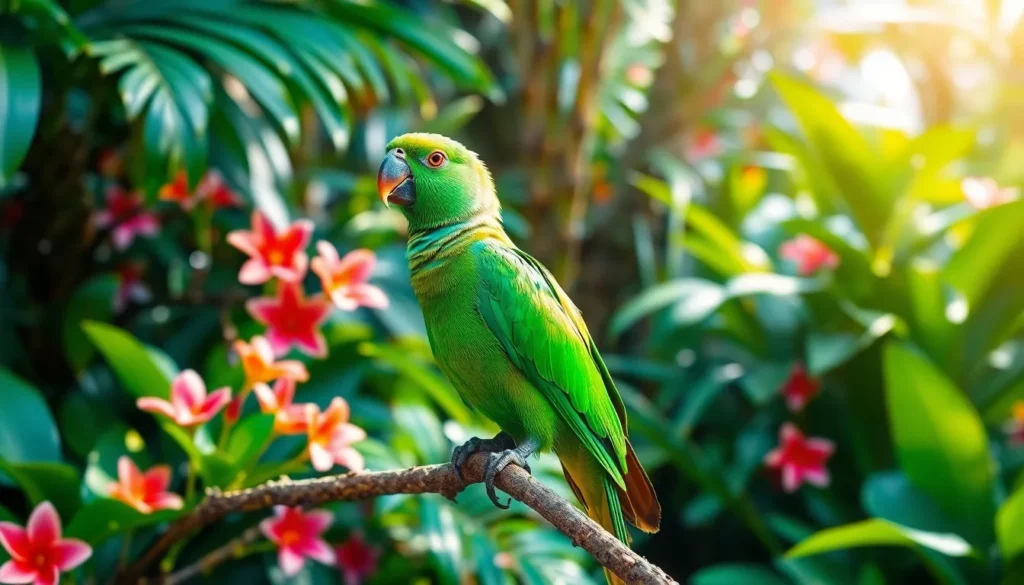
Green parrot birds represent a diverse group of intelligent avian species distinguished by their vibrant emerald plumage and remarkable cognitive abilities. These fascinating creatures belong to the Psittacidae family and captivate bird enthusiasts worldwide with their striking coloration and captivating personalities.

Playtop with Feeder Bowls: The top of this bird cage features a built-in play area with a wooden perch, ladder, and 2 stainless steel feeder bowls, providing birds with additional space for activity outside the main enclosure
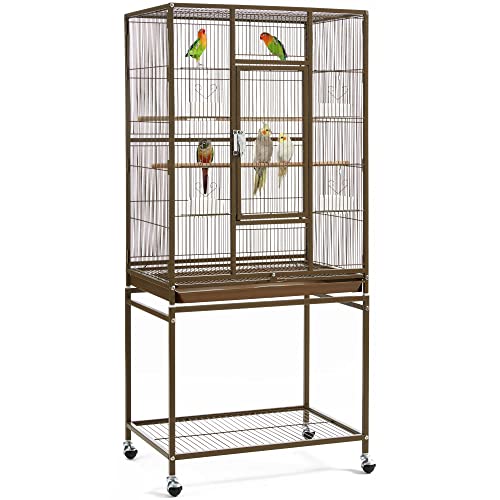
Color: palmer green; Material: steel, plastic; Bar Spacing: 3/8″; Overall dimension: 24.5″ L x 17″ W x 53.5″ H; Cage: 24.5″ L x 17″ W x 33″ H; Package includes: 1 parrot cage with stand, 2 perches, 4 feeding bowls, accessory kit

【Durable & Sturdy】This Parrot bird cage is constructed of strong wrought metal frame and wires with epoxy coated finish, durable for years of use. Smooth surface and non-toxic material offer your birds a safe and healthy environment
Physical Characteristics and Appearance
Green parrots display a spectrum of emerald hues ranging from bright lime to deep forest tones across their feathers. Most species feature curved beaks designed for cracking seeds and nuts with powerful jaw muscles that generate up to 300 pounds per square inch of pressure. Their zygodactyl feet possess two toes facing forward and two backward, providing exceptional gripping strength for climbing and manipulating objects.
Size variations among green parrot species span dramatically, with Pacific Parrotlets measuring just 4.5 inches in length while Green-winged Macaws reach up to 37 inches. Weight ranges correlate proportionally, from 1 ounce for smaller species to 3.5 pounds for larger varieties. Distinctive features include bright orange or red patches on wings, vibrant yellow tail feathers, and expressive dark eyes surrounded by bare facial patches in many species.
Sexual dimorphism appears subtle in most green parrot breeds, requiring DNA testing for accurate gender identification. Males typically exhibit slightly brighter coloration and larger head crests, while females often display more muted tones and smaller overall body sizes.
Common Species of Green Parrots
Amazon parrots represent the most recognizable green parrot category, with 30 distinct species including Blue-fronted, Yellow-naped, and Double Yellow-headed varieties. These medium to large birds measure 10-17 inches and weigh 8-25 ounces, originating from Central and South American rainforests.
Conures cover over 40 green species such as Green-cheeked, Sun, and Nanday varieties. These playful birds range from 9-20 inches in length and display vibrant personality traits that make them popular companion animals. Their natural habitats extend from Mexico through Argentina across diverse ecosystems.
Eclectus parrots showcase extreme sexual dimorphism, with males displaying brilliant emerald coloration while females exhibit red and purple plumage. These Indonesian natives measure 17-20 inches and possess exceptional talking abilities that rival African Grey parrots.
Lovebirds include several green species like Fischer’s and Masked varieties, measuring 5-7 inches in compact, stocky builds. These African natives form strong pair bonds and display affectionate behaviors that earned them their romantic name.
Ringneck parrots feature distinctive neck bands and measure 14-17 inches with exceptional talking capabilities. These Asian and African species adapt well to various climates and demonstrate remarkable intelligence in problem-solving tasks.
Natural Habitat and Distribution
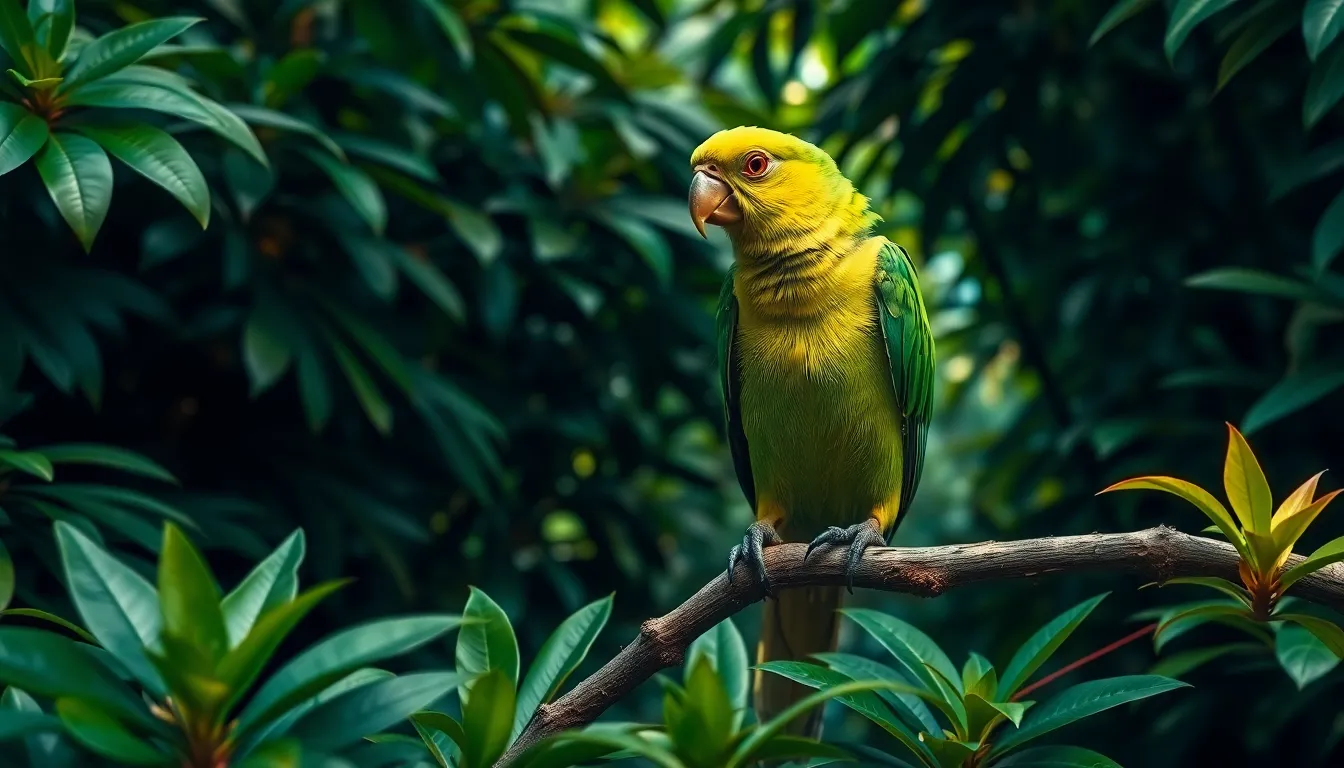
Green parrot birds inhabit diverse ecosystems across tropical and subtropical regions worldwide. These adaptable species thrive in environments that provide abundant food sources and suitable nesting opportunities.

NATURAL CORN COB MATERIAL: Made from natural corn cob,corn husk,rattan balls,wooden blocks,wooden beads,lovyoCoCo bird toys providing a safe and eco-friendly chewing experience for your feathered friends.

Natural Materials: Crafted from natural corn cob, corn husk, rattan balls,Loofah Slices and wood beads, providing safe and stimulating chewing options for your beloved bird like macaws, African grey parrots, and Amazon parrots.
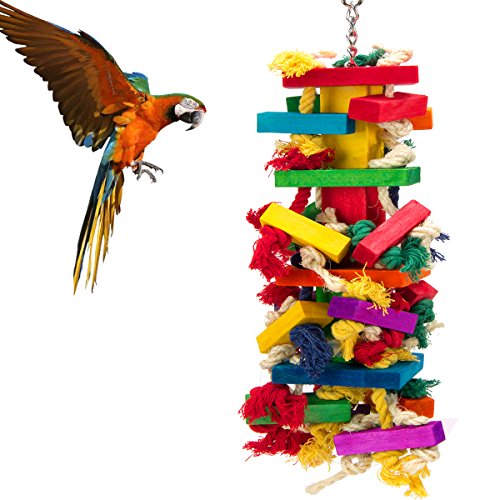
FIT FOR VARIOUS PARROTS: Extra large with size 18", this bird chewing toy is suggested for Macaw, Amazon, African grey cockatoos, Anodorhynchus hyacinthinus, Ara ararauna, Ara glaucogularis, Ara militaris, Ara ambiguus, Ara macao, Ara chloroptera, Ara rubrogenys, Ara severa, Primolius couloni, Diopsittaca nobilis
Wild Environment Preferences
Amazon parrots prefer dense rainforest canopies where they find Brazil nuts, palm fruits, and seeds throughout the year. Conures adapt to multiple habitat types including woodlands, savannas, and forest edges where flowering trees provide nectar and insects. Eclectus parrots establish territories in lowland tropical forests with emergent trees reaching 130 feet in height.
Lovebirds occupy acacia woodlands and semi-arid regions where they access water sources within 6 miles of their roosting sites. Ringneck parrots demonstrate remarkable habitat flexibility by colonizing urban parks, agricultural areas, and native forests across elevation ranges from sea level to 5,000 feet. Pacific Parrotlets inhabit dry forests and scrublands where cacti and thorny shrubs provide both food and protection from predators.
Green-winged Macaws require primary rainforest habitats with clay licks along riverbanks that supply essential minerals for their diet. These large parrots create nest cavities in palm trees 50 to 100 feet above ground level.
Geographic Range
South American rainforests house the greatest diversity of green parrot species with over 140 distinct types distributed across Brazil, Peru, Colombia, and Ecuador. Amazon parrots occupy territories spanning from Mexico through Central America to northern Argentina covering approximately 8 million square kilometers.
Conure species range from the Caribbean islands through South America with Golden Conures restricted to Brazil’s Amazon Basin while Sun Conures extend from Venezuela to French Guiana. Eclectus parrots inhabit Australia’s northeastern regions, New Guinea, and surrounding Indonesian islands within a 2,000-mile radius.
African Ringneck parrots originally populated sub-Saharan Africa but established feral populations in European cities including London, Brussels, and Amsterdam. Lovebird species concentrate in Africa’s savanna regions with Peach-faced Lovebirds native to southwestern Africa and Fischer’s Lovebirds endemic to Tanzania’s highlands.
Pacific Parrotlets inhabit Pacific coastal regions from western Ecuador through northwestern Peru in territories spanning 600 miles of coastline. Green-winged Macaws maintain populations across eight South American countries with the largest concentrations in Peru’s Tambopata region and Brazil’s Pantanal wetlands.
Diet and Feeding Habits
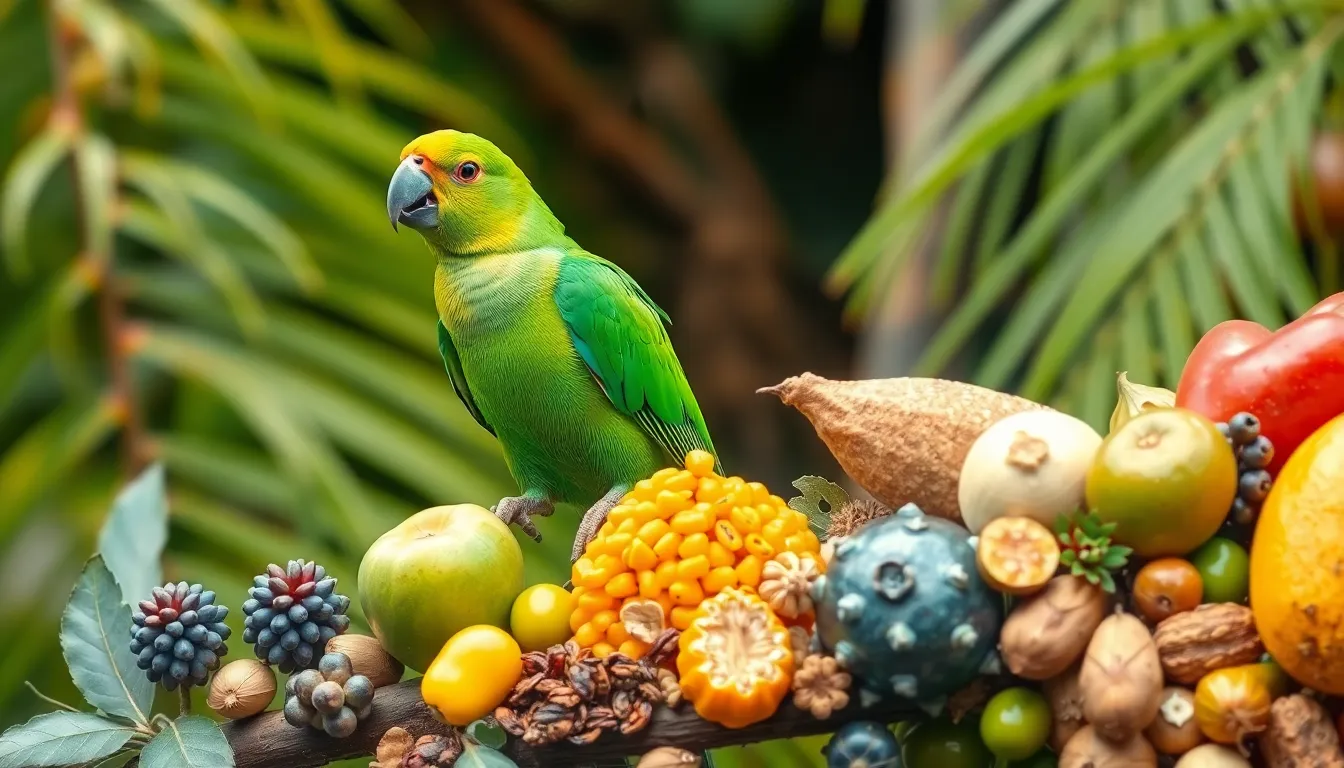
Green parrot birds display fascinating dietary patterns that vary significantly between their wild environments and captive settings. Understanding these nutritional needs proves essential for both conservation efforts and proper pet care.


𝐏𝐑𝐄𝐌𝐈𝐔𝐌 & 𝐍𝐔𝐓𝐑𝐈𝐄𝐍𝐓-𝐑𝐈𝐂𝐇 𝐁𝐋𝐄𝐍𝐃 – Expertly blended with a variety of premium bird seeds, nuts, and dried fruits to deliver essential nutrients that support your parrot’s immune system, beak strength, and overall vitality. A natural way to help your bird thrive every day.
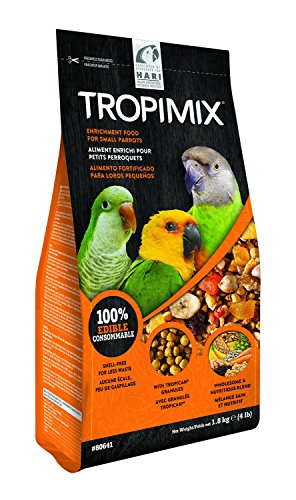
Premium Treats: Tropimix for Small Parrots is a premium food mix full of exotic grains, fruits, nuts, and Tropican granules. This special blend is fortified with essential vitamins, minerals and amino acids for optimum health and nutrition.
Natural Diet in the Wild
Wild green parrots consume diverse plant materials that change seasonally based on availability. Seeds form the primary component of their diet, with species like Amazon parrots favoring palm seeds, sunflower seeds, and various grass seeds throughout different months.
Fruits constitute another major dietary element, particularly for larger species such as Green-winged Macaws who consume figs, mangoes, and berries. Smaller species including Pacific Parrotlets prefer softer fruits like grapes and small berries that match their beak size.
Nuts provide essential fats and proteins, with many species cracking open Brazil nuts, walnuts, and pecans using their powerful beaks. Conures demonstrate remarkable foraging skills when extracting seeds from pine cones and accessing tree nuts during autumn months.
Green vegetation supplements their nutritional intake through leaves, buds, and bark consumption. Eclectus parrots particularly favor young eucalyptus leaves and flowering buds that provide vitamins and minerals absent in seeds alone.
Mineral intake occurs through clay consumption at natural licks, where dozens of green parrots gather daily. This behavior helps neutralize toxins from certain seeds and provides essential sodium and calcium for bone health.
Feeding Requirements in Captivity
Captive green parrots require carefully balanced diets that replicate their wild nutritional diversity. High-quality pellets provide 70-80% of their daily nutrition, offering consistent vitamin and mineral content that prevents deficiencies common with seed-only diets.
Fresh fruits contribute 15-20% of their dietary intake, with safe options including apples, bananas, berries, and melons served daily. Owners must avoid toxic fruits such as avocado, chocolate, and cherries that can cause severe health complications.
Vegetables supply crucial vitamins through dark leafy greens, carrots, sweet potatoes, and broccoli offered in 2-3 inch pieces. Raw vegetables retain maximum nutritional value compared to cooked alternatives that lose essential nutrients during preparation.
Seeds function as treats rather than primary nutrition, comprising only 10-15% of their total food intake. Sunflower seeds, pumpkin seeds, and safflower seeds provide enrichment while preventing obesity that occurs with excessive consumption.
| Nutritional Component | Percentage | Daily Amount | Examples |
|---|---|---|---|
| Pellets | 70-80% | 1/4 to 1/2 cup | Harrison’s, Zupreem, Roudybush |
| Fresh Fruits | 15-20% | 2-4 pieces | Apple slices, berries, melon |
| Vegetables | 10-15% | 1/4 cup | Kale, carrots, sweet potato |
| Seeds/Nuts | 5-10% | 1-2 tablespoons | Sunflower seeds, almonds |
Water availability remains constant through clean, filtered sources changed daily to prevent bacterial growth. Stainless steel or ceramic bowls prevent contamination better than plastic alternatives that harbor harmful bacteria in scratches and cracks.
Behavior and Personality Traits
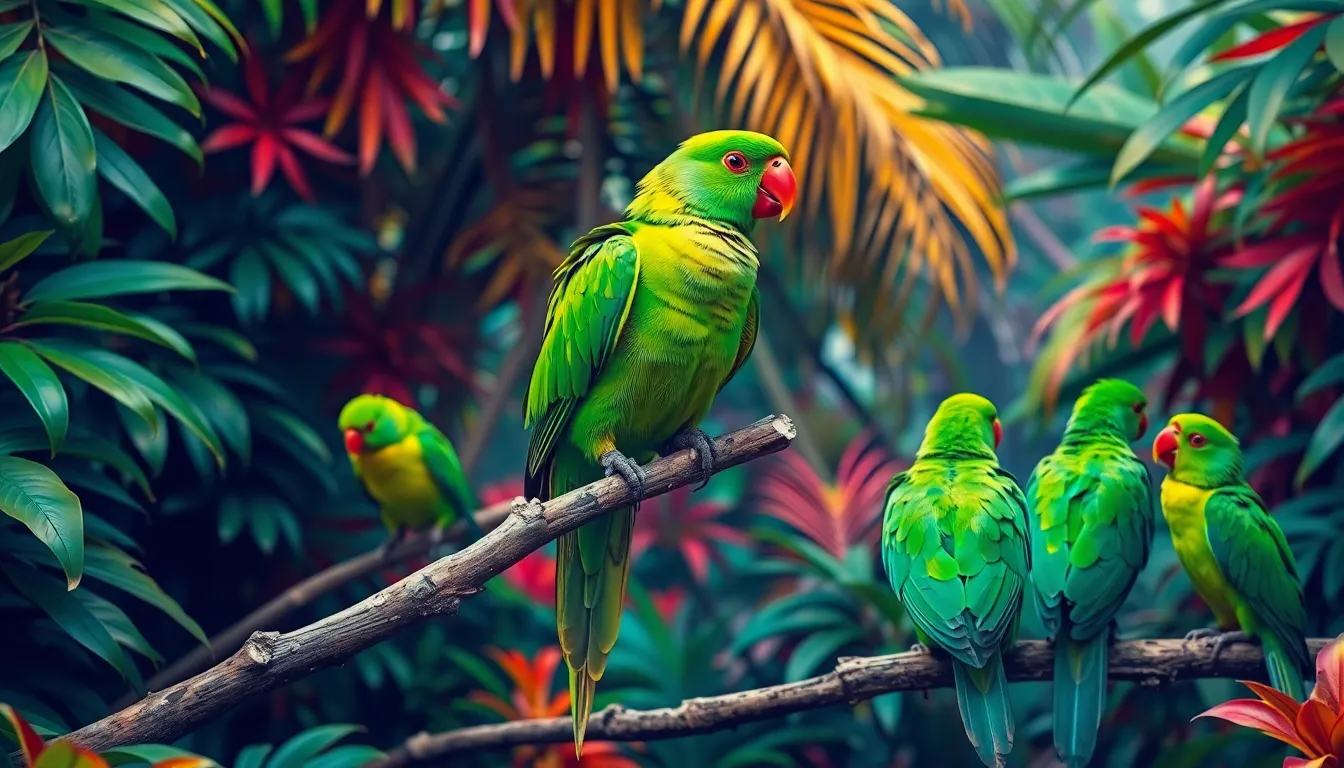
Green parrots display complex behavioral patterns that combine remarkable intelligence with highly social instincts. These characteristics make them fascinating companions while highlighting their sophisticated cognitive abilities.

Results are typically available within three business days after the samples arrive at the laboratory in the USA.

99.99% PRECISION - Our testing employs the PCR technique, known for its unparalleled reliability and accuracy. This DNA test accurately determines the genetic gender of over 1000 bird species using a simple feather or blood sample, eliminating guesswork about your bird's sex.

PLAN FOR JOY AS EARLY AS 6 WEEKS: Experience the joy of learning the predicted sex of your baby as early as 6 weeks into pregnancy with the SneakPeek test advanced DNA-based testing. Our easy, at-home test kit is over 99% accurate and virtually pain-free, without the need for a doctor's visit, making it a perfect addition to your pregnancy announcement must-haves.
Social Behavior and Communication
Green parrots thrive in social environments and demonstrate intricate communication systems that extend far beyond simple vocalizations. Flocking behaviors dominate their wild interactions, with species like Amazon parrots forming groups of 20 to 100 individuals during feeding and roosting periods.
Communication occurs through multiple channels including vocal calls, body language, and physical interactions. Amazon parrots produce over 30 distinct vocalizations, each serving exact purposes from territory marking to mate selection. Conures engage in contact calls that maintain flock cohesion across distances up to 2 miles in dense forest canopies.
Body language plays an equally important role in green parrot communication. Head bobbing indicates excitement or attention-seeking behavior, while feather positioning communicates emotional states. Eclectus parrots display aggressive postures by flattening head feathers and extending wings, whereas relaxed birds maintain loose, fluffy plumage.
Preening behaviors strengthen social bonds within green parrot communities. Mutual preening sessions between bonded pairs or flock members reduce stress and establish hierarchical relationships. Ringneck parrots spend approximately 2 hours daily captivating in social preening activities.
Interactive play behaviors emerge prominently in captive green parrots. Lovebirds initiate games involving object manipulation and chase sequences, while larger species like Green-winged Macaws engage in wrestling matches using their powerful beaks and feet.
Intelligence and Learning Abilities
Green parrots possess cognitive capabilities that rival those of young children in problem-solving scenarios. Research demonstrates that African Ringneck parrots can learn sequences containing up to 150 distinct words and phrases within their first 2 years of life.
Memory retention spans extend impressively across green parrot species. Amazon parrots remember human faces and voices after separation periods lasting 6 months or longer. This recognition ability enables them to distinguish between familiar and unfamiliar individuals even in complex household environments.
Problem-solving skills manifest through tool manipulation and spatial reasoning tasks. Pacific Parrotlets successfully navigate multi-step puzzles requiring sequential actions to obtain food rewards. Laboratory studies show these small parrots complete tasks involving 4 to 5 consecutive steps within 15 minutes of initial exposure.
Mimicry abilities vary significantly among green parrot species based on vocal anatomy and learning capacity. Eclectus parrots reproduce human speech patterns with 85% accuracy, while Conures excel at imitating household sounds like telephone rings and microwave beeps.
Learning occurs through observation and repetition in green parrot development. Young birds acquire foraging techniques by watching adult flock members for 3 to 4 weeks before attempting independent feeding. Captive green parrots demonstrate similar observational learning when exposed to new toys or environmental enrichment items.
Emotional intelligence appears in green parrot responses to human moods and environmental changes. Bonded Amazon parrots adjust their activity levels and vocalizations based on their owner’s emotional state, demonstrating empathetic awareness that strengthens human-parrot relationships.
Caring for Green Parrot Birds as Pets
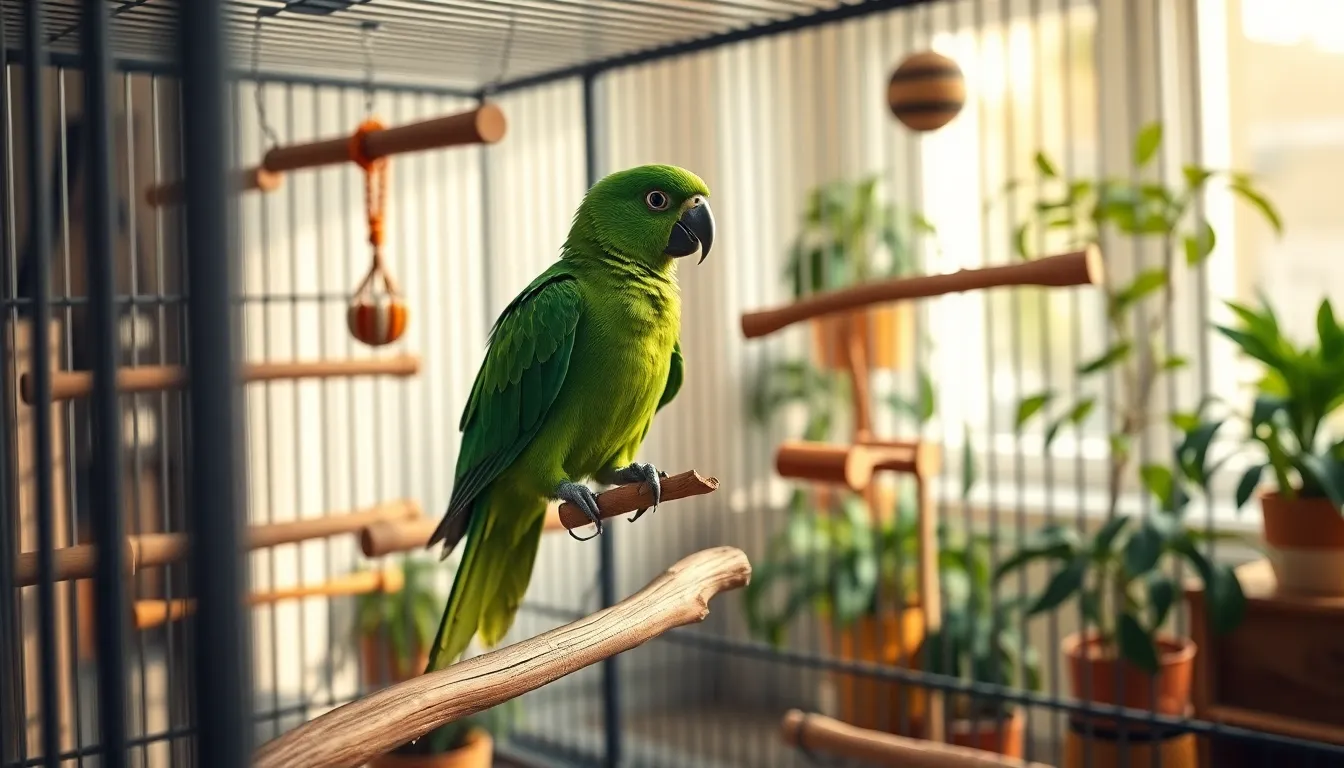
Green parrot birds require specialized care that goes beyond basic pet ownership. Successful parrot guardianship involves creating optimal living conditions, maintaining consistent daily routines, and providing proper medical attention.


Easy nutrition for busy days: Our freeze-dried veggie blends ensure your parrots get varied nutrition, even when you're short on time

Housing and Environment Setup
Cage selection forms the foundation of proper green parrot care. We recommend cages measuring at least 36 inches wide by 24 inches deep by 48 inches high for medium-sized species like Amazon parrots, while larger macaws require dimensions of 60 inches by 36 inches by 72 inches minimum.
Bar spacing varies by species size to prevent injury or escape. Pacific Parrotlets need bars spaced 0.5 inches apart, Conures require 0.75-inch spacing, and Amazon parrots function best with 1-inch bar spacing. Horizontal bars provide climbing opportunities that vertical designs cannot match.
Perch variety promotes foot health and prevents arthritis development. Natural wood branches from apple, willow, or birch trees offer different diameters and textures. Rope perches add flexibility while concrete perches help maintain nail length through natural filing action.
Temperature control maintains parrot comfort between 68-78°F during daytime hours. Night temperatures can drop to 65°F without causing stress. Humidity levels between 50-60% support respiratory health and prevent dry skin conditions.
Lighting requirements include 12 hours of natural or full-spectrum artificial light daily. UVB exposure helps synthesize vitamin D3 for calcium absorption. Dark periods encourage natural sleep cycles essential for hormonal balance.
Daily Care Requirements
Fresh water replacement occurs twice daily using filtered or bottled water. Stainless steel or ceramic bowls prevent bacterial growth better than plastic alternatives. Water dishes require thorough cleaning with bird-safe disinfectants every 24 hours.
Feeding schedules follow consistent timing patterns that mirror natural foraging behaviors. Morning meals consist of fresh pellets, vegetables, and fruits. Evening portions focus on pellets and limited seed treats. Food removal after 4 hours prevents spoilage and bacterial contamination.
Exercise periods outside the cage last 3-4 hours daily for optimal physical health. Flight time strengthens wing muscles and cardiovascular systems. Supervised exploration satisfies curiosity while preventing household accidents or injuries.
Social interaction requirements vary by species but average 2-3 hours of direct human contact daily. Amazon parrots thrive on conversation and training sessions. Conures prefer active play and physical interaction. Interactive toys rotate weekly to prevent boredom and encourage mental stimulation.
Cleaning routines include daily spot cleaning of cage floors and weekly deep cleaning of all surfaces. Cage liner replacement occurs daily using newspaper or paper towels. Perches, toys, and food dishes get sanitized with avian-safe cleaners during weekly maintenance.
Health and Veterinary Needs
Annual veterinary examinations detect health issues before symptoms appear. Avian veterinarians perform complete physical assessments, blood panels, and fecal testing. Baseline health records track changes in weight, behavior, and vital signs over time.
Vaccination protocols protect against common diseases like polyomavirus and psittacine beak and feather disease. Amazon parrots receive polyomavirus vaccines at 6-8 weeks of age with annual boosters. Quarantine procedures last 30-60 days for new birds entering multi-bird households.
Common health indicators we monitor include appetite changes, feather quality, breathing patterns, and activity levels. Weight loss exceeding 5% of body weight signals potential illness requiring immediate veterinary attention. Respiratory distress, tail bobbing, or open-mouth breathing constitute emergency situations.
Grooming needs include nail trimming every 6-8 weeks and wing clipping based on individual circumstances. Professional groomers or veterinarians perform these procedures safely. Beak trimming rarely becomes necessary in healthy birds with proper perch variety.
Emergency preparedness involves maintaining first aid supplies and contact information for 24-hour avian veterinary services. Basic supplies include styptic powder for bleeding, towels for restraint, and a travel carrier for transport. Emergency protocols address common scenarios like bleeding, breathing difficulties, and trauma injuries.
Pros and Cons of Owning a Green Parrot Bird
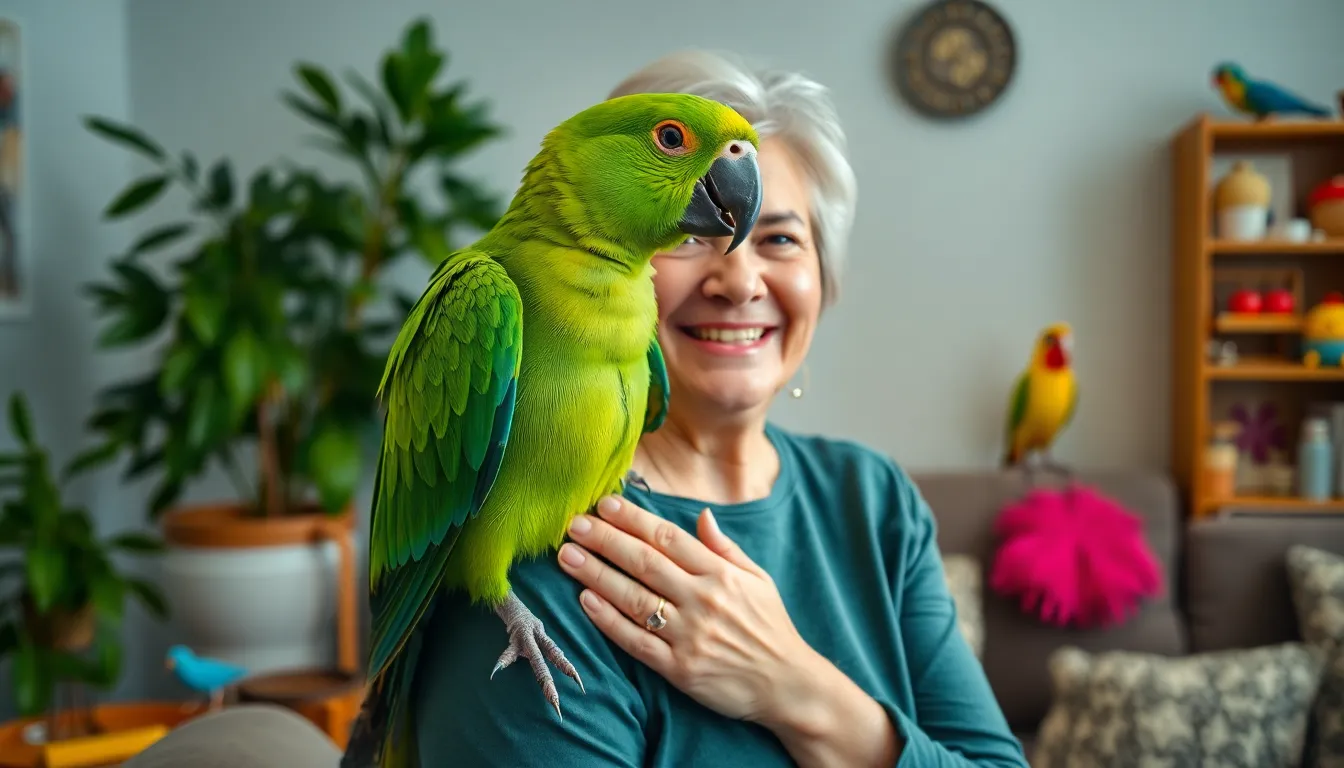
Green parrot bird ownership brings unique rewards alongside important responsibilities. Understanding both sides helps prospective owners make informed decisions about these intelligent companions.

【Natural Materials】- Made from natural wood, and metal hooks, and non-toxic materials. Springboard + Rattan Ball, Springboard + Ferris Wheel, Springboard + Wooden Swing, Springboard + Acrylic Swing.


Greatly Optimized Design: Inverted bottle makes water automatically flow to the outlet, ensuring continuous water supply anytime. And it can effectively prevent water leakage and splashing due to the threaded outlet and the deepened water trough
Benefits of Green Parrot Ownership
Exceptional Intelligence and Learning Capabilities
Green parrots display remarkable cognitive abilities that surpass most pet birds. Amazon parrots master vocabularies exceeding 100 words while recognizing human faces and responding appropriately to different family members. Eclectus parrots solve complex puzzles and remember feeding schedules months after establishing routines.
Interactive Companionship and Emotional Bonds
These birds form deep emotional connections with their owners through daily interactions. Conures demonstrate affectionate behaviors like head bowing for scratches and seeking physical contact during playtime. African Ringneck parrots recognize human moods and provide comfort during stressful periods by offering gentle vocalizations.
Entertainment and Captivating Personalities
Green parrots provide constant entertainment through their playful antics and vocal performances. Lovebirds create elaborate games with toys while Amazon parrots perform spontaneous singing sessions that mimic household sounds. Pacific Parrotlets display acrobatic skills during flight exercises around designated play areas.
Long Lifespan and Lasting Relationships
Most green parrot species live between 20 to 80 years depending on their size and care quality. Green-winged Macaws often outlive their original owners while maintaining strong bonds with multiple generations of the same family. This longevity creates opportunities for decades of shared experiences and memories.
Challenges and Considerations
Substantial Time and Attention Requirements
Green parrots demand 3 to 4 hours of daily interaction including training sessions, exercise periods, and social bonding activities. Amazon parrots require consistent schedules for feeding, cage cleaning, and mental stimulation to prevent behavioral problems. Working professionals often struggle to meet these extensive daily care demands.
Important Financial Investment
Initial setup costs range from $500 for smaller species like Pacific Parrotlets to $3,000 for large macaws including cage, accessories, and veterinary examinations. Monthly expenses average $50 to $150 for food, toys, and routine health maintenance. Emergency veterinary bills can exceed $1,000 for serious health conditions.
Noise Levels and Vocal Behaviors
Green parrots produce loud vocalizations that can disturb neighbors and family members. Conures emit contact calls reaching 120 decibels during morning and evening periods while Amazon parrots engage in territorial screaming sessions. Apartment dwellers frequently receive noise complaints from nearby residents.
Destructive Tendencies and Property Damage
These birds use their powerful beaks to chew furniture, electrical cords, and household items when left unsupervised. Ringneck parrots can strip wallpaper and damage wooden trim within hours of escaping their cages. Property damage costs accumulate quickly without proper bird-proofing measures throughout the home.
Complex Dietary and Health Needs
Green parrots require specialized diets consisting of high-quality pellets, fresh fruits, and vegetables replaced daily. Eclectus parrots develop nutritional deficiencies from all-seed diets while larger species need annual veterinary examinations costing $200 to $400. Finding avian-certified veterinarians proves challenging in rural areas.
Conservation Status and Protection
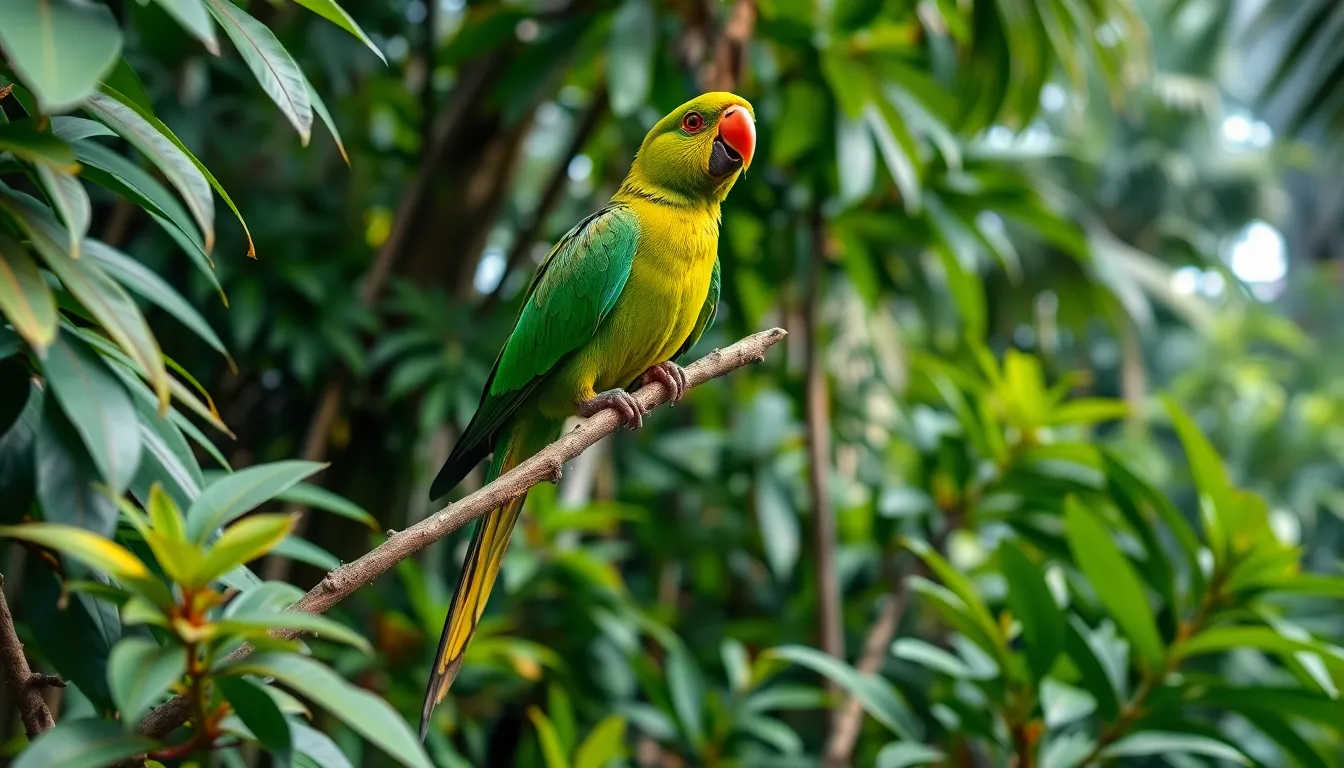
Green parrot bird populations face important threats across their native ranges, with many species experiencing rapid population declines. Habitat destruction represents the primary threat to green parrot conservation, as tropical rainforests and woodlands disappear at alarming rates. Deforestation for agriculture, urban development, and logging eliminates crucial nesting sites and food sources that these birds require for survival.
The International Union for Conservation of Nature (IUCN) Red List classifies multiple green parrot species under various threat categories. Amazon parrots show concerning population trends, with the Yellow-naped Amazon listed as Vulnerable and the Red-crowned Amazon classified as Endangered. Eclectus parrots maintain stable populations in their native Australia and New Guinea, earning a Least Concern status.
| Species | IUCN Status | Population Trend |
|---|---|---|
| Yellow-naped Amazon | Vulnerable | Decreasing |
| Red-crowned Amazon | Endangered | Decreasing |
| Blue-crowned Conure | Least Concern | Stable |
| Eclectus Parrot | Least Concern | Stable |
| African Ringneck | Least Concern | Increasing |
Illegal wildlife trade poses another major conservation challenge for green parrot species worldwide. Trappers capture wild birds for the pet trade, removing breeding adults from already stressed populations. Countries like Brazil, Mexico, and Indonesia report thousands of confiscated parrots annually from smuggling operations.
Protected area establishment provides crucial habitat preservation for green parrot conservation efforts. National parks and wildlife reserves in Costa Rica protect vital Amazon parrot breeding grounds, while Australian marine parks safeguard Eclectus parrot coastal habitats. Indigenous communities play essential roles in conservation programs, monitoring bird populations and protecting traditional nesting sites.
Captive breeding programs contribute significantly to green parrot conservation through species preservation initiatives. Zoos and conservation organizations maintain genetic diversity through carefully managed breeding protocols, with facilities like the Industry Parrot Trust supporting field conservation projects. Breeding centers release rehabilitated birds back into protected wild habitats when population recovery efforts permit.
Climate change creates additional conservation pressures on green parrot populations through altered rainfall patterns and temperature shifts. Rising temperatures force birds to seek cooler mountain habitats, while changing precipitation affects fruit availability during critical breeding seasons. Coastal species face particular challenges from sea level rise and increased storm intensity.
Conservation success stories demonstrate effective protection strategies for green parrot species recovery. Puerto Rican Amazon populations increased from 13 birds in 1975 to over 500 individuals today through intensive management programs. Kakapo conservation in New Zealand shows similar progress, with populations recovering from near extinction through dedicated breeding and habitat restoration efforts.
We support green parrot conservation through responsible pet ownership practices and habitat protection donations. Choosing captive-bred birds over wild-caught specimens reduces demand for illegal wildlife trade. Supporting organizations like the Industry Wildlife Fund and local conservation groups funds essential research and protection programs for endangered green parrot species.

Perfect for Big Beaks and Bold Personalities: Got a Conure, African Grey, Macaw, or even a feisty little parrot with a powerful beak? This Bird Bagel Bonanza is designed not only for medium and large birds but also for small parrots with big attitudes! Whether your bird is big or just has a big personality, this toy keeps them entertained and out of trouble,Perfect Bird Toys for Parrots.

Safe and Natural Materials: Crafted from a variety of nuts, apple wood blocks,colorful wooden beads,Loofah,woven corn blocks, cotton rope, and food coloring, ensuring safety and durability for your feathered friend.

Multifunctional: This set of toys includes various bird toys suitable for African grey parrots, macaws, cockatoos, and parakeets, providing mental stimulation and preventing boredom.
Conclusion
Green parrots truly embody nature’s perfect blend of beauty intelligence and companionship. These remarkable birds offer us a glimpse into the complex industry of avian behavior while providing years of meaningful interaction for dedicated owners.
Whether you’re considering adding one to your family or simply appreciating them from afar supporting their conservation remains crucial. We can all play a role in protecting these magnificent creatures for future generations.
Remember that owning a green parrot isn’t just about having a pet – it’s about forming a lifelong bond with one of nature’s most intelligent and emotionally complex creatures. With proper care understanding and commitment these feathered friends will reward you with decades of joy laughter and unforgettable moments.

Contains 1- 5lb
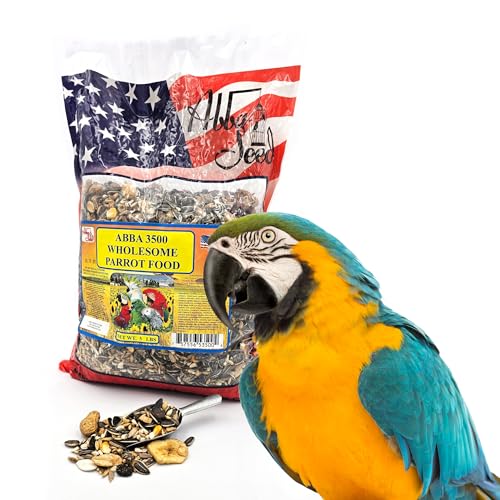
Nutritious Blend: A wholesome parrot food mix containing sunflower, safflower, corn, oats, nuts like peanuts, Brazil nuts, cashews, and more.

Premium Treats: Tropimix for Large Parrots is a premium food mix full of exotic grains, fruits, nuts, and Tropican sticks. This special blend is fortified with essential vitamins, minerals and amino acids for optimum health and nutrition.
Frequently Asked Questions

ACCURATE DNA-BASED GENDER IDENTIFICATION: Reliable, laboratory-verified results using advanced DNA analysis to determine the sex of your bird with over 99% accuracy.

VIRTUALLY PAIN-FREE: Peekaboo Click is an innovative, FDA-cleared, blood draw device and test kit that makes collection quick, simple, and practically pain-free; NOT AVAILABLE TO RESIDENTS OF NEW YORK

99.99% PRECISION - Our testing employs the PCR technique, known for its unparalleled reliability and accuracy. This DNA test accurately determines the genetic gender of over 1000 bird species using a simple feather or blood sample, eliminating guesswork about your bird's sex.
What makes green parrots such popular pets?
Green parrots are beloved pets due to their vibrant emerald plumage, exceptional intelligence, and playful personalities. They can mimic human speech, engage in conversations, and form deep emotional bonds with their owners. Their ability to recognize human faces and respond to moods makes them interactive companions that can provide years of entertainment and friendship.
What are the most common species of green parrots?
The most common green parrot species include Amazon parrots (30 distinct types), Conures known for their playful nature, Eclectus parrots with extreme sexual dimorphism, affectionate Lovebirds, and intelligent Ringneck parrots. Sizes range from tiny Pacific Parrotlets at 4.5 inches to large Green-winged Macaws reaching 37 inches.
What do green parrots eat in the wild versus captivity?
Wild green parrots consume seeds, fruits, nuts, and green vegetation. Amazon parrots prefer palm and sunflower seeds, while larger species like Green-winged Macaws enjoy figs and mangoes. In captivity, they need high-quality pellets, fresh fruits, and vegetables, with seeds as treats. Clean, filtered water is essential, and toxic foods must be avoided.
What kind of care do green parrots require as pets?
Green parrots need spacious cages with proper perch variety, temperature control (65-80°F), and adequate lighting. Daily care includes fresh water, consistent feeding schedules, exercise, and social interaction. Regular cleaning, health monitoring, annual veterinary check-ups, vaccinations, and emergency preparedness are crucial for maintaining their well-being.
What are the challenges of owning a green parrot?
Owning green parrots requires substantial time commitment, significant financial investment, and tolerance for noise levels. They can be destructive, have complex dietary needs, and require consistent social interaction. Their long lifespan means a decades-long commitment. However, their intelligence, companionship, and ability to form deep bonds make them rewarding pets for dedicated owners.
Are green parrots endangered species?
Many green parrot species face conservation threats. The IUCN classifies several species under various threat categories, with Yellow-naped Amazons listed as Vulnerable and Red-crowned Amazons as Endangered. Primary threats include habitat destruction from deforestation, illegal wildlife trade, and climate change. Conservation efforts include protected areas and captive breeding programs.
Where do green parrots naturally live?
Green parrots inhabit tropical and subtropical regions worldwide, with South American rainforests housing the greatest diversity. Amazon parrots thrive in dense rainforests, Conures prefer woodlands and savannas, and Pacific Parrotlets live in dry forests. Some species, like African Ringneck parrots, have established feral populations in European cities.
How intelligent are green parrots?
Green parrots possess remarkable cognitive abilities, including problem-solving skills, extensive memory retention, and emotional intelligence. Some species can learn large vocabularies, recognize human faces, and respond to their owners’ moods. They demonstrate complex communication through vocalizations and body language, making them highly interactive and engaging companions.