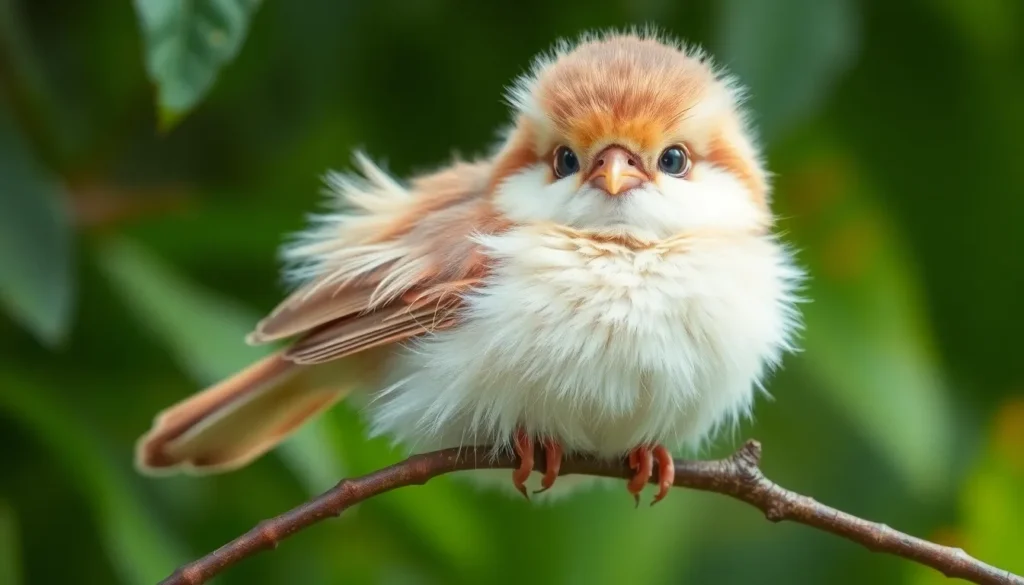
We all have that moment when we spot a particularly adorable bird and can’t help but smile. Whether it’s a fluffy baby chick taking its first wobbly steps or a colorful hummingbird hovering gracefully near our garden flowers, cute birds have an undeniable power to brighten our day and capture our hearts instantly.
From the round-eyed charm of owlets to the playful antics of penguins, the avian industry offers countless species that make us go “aww” without fail. These feathered friends don’t just look adorable – they’ve evolved fascinating behaviors and characteristics that make them even more endearing to bird lovers and casual observers alike.
We’re about to explore some of the most irresistibly cute birds on our planet, discovering what makes them so special and why they’ve become internet sensations. Get ready to fall in love with these delightful creatures that prove nature has a wonderful sense of charm.
What Makes a Bird Cute
Bird cuteness stems from exact physical characteristics and behaviors that trigger our nurturing instincts. Research shows that humans find certain traits irresistibly adorable across different species.

🐧【𝟏𝟓𝐱 𝐇𝐢𝐠𝐡-𝐏𝐨𝐰𝐞𝐫𝐞𝐝 𝐁𝐢𝐧𝐨𝐜𝐮𝐥𝐚𝐫𝐬: 𝐃𝐢𝐬𝐜𝐨𝐯𝐞𝐫 𝐍𝐚𝐭𝐮𝐫𝐞'𝐬 𝐒𝐦𝐚𝐥𝐥𝐞𝐬𝐭 𝐃𝐞𝐭𝐚𝐢𝐥𝐬】Elevate your viewing experience with these 15x high-powered binoculars designed for adults. Crafted for observing extremely long distances, these professional high-powered binoculars provide a razor-sharp view of the smallest details even at longer ranges. Unlock the smallest secrets of nature and immerse yourself in crisp, razor-sharp visuals that traditional 12x magnification binoculars cannot match.

【20x Professional High Powered Binoculars】Deesoo outdoor binoculars feature a 20x magnification and 52mm large objective lens with a field of view of 168 feet /1000 yards, allowing you to focus on great detail at 1000 yards, providing clear and bright images.The size of the 26MM eyepiece is more in line with the structure of the human eye, preventing eye fatigue after prolonged viewing.
2026 OPTIMIZED EYEPIECE DESIGN: These 30x50 adult binoculars for adults specially designed with BAK4 Porro prism and FMC film lenses. The BAK4 Porro prism have perfectly rounded exit pupils that provide a bright, clear, and sharp field of view that minimizes light loss due to reflections.
Physical Features That Melt Hearts
Large eyes relative to head size create instant appeal in cute birds like owls and baby chicks. Round heads with shortened beaks trigger protective responses in viewers, similar to how we react to human babies. Fluffy plumage adds softness that makes birds appear cuddly, particularly in species like emperor penguin chicks and barn owl fledglings.
Bright colors enhance cuteness factor significantly. Cardinals display vibrant red feathers that catch attention immediately. Goldfinches showcase brilliant yellow plumage that radiates cheerfulness. Blue jays present striking azure coloration that makes them stand out in natural settings.
Small body proportions contribute to adorability ratings. Hummingbirds measure only 2-5 inches in length, making them appear delicate and precious. Chickadees weigh less than 0.5 ounces, creating an impression of fragility that evokes protective feelings.
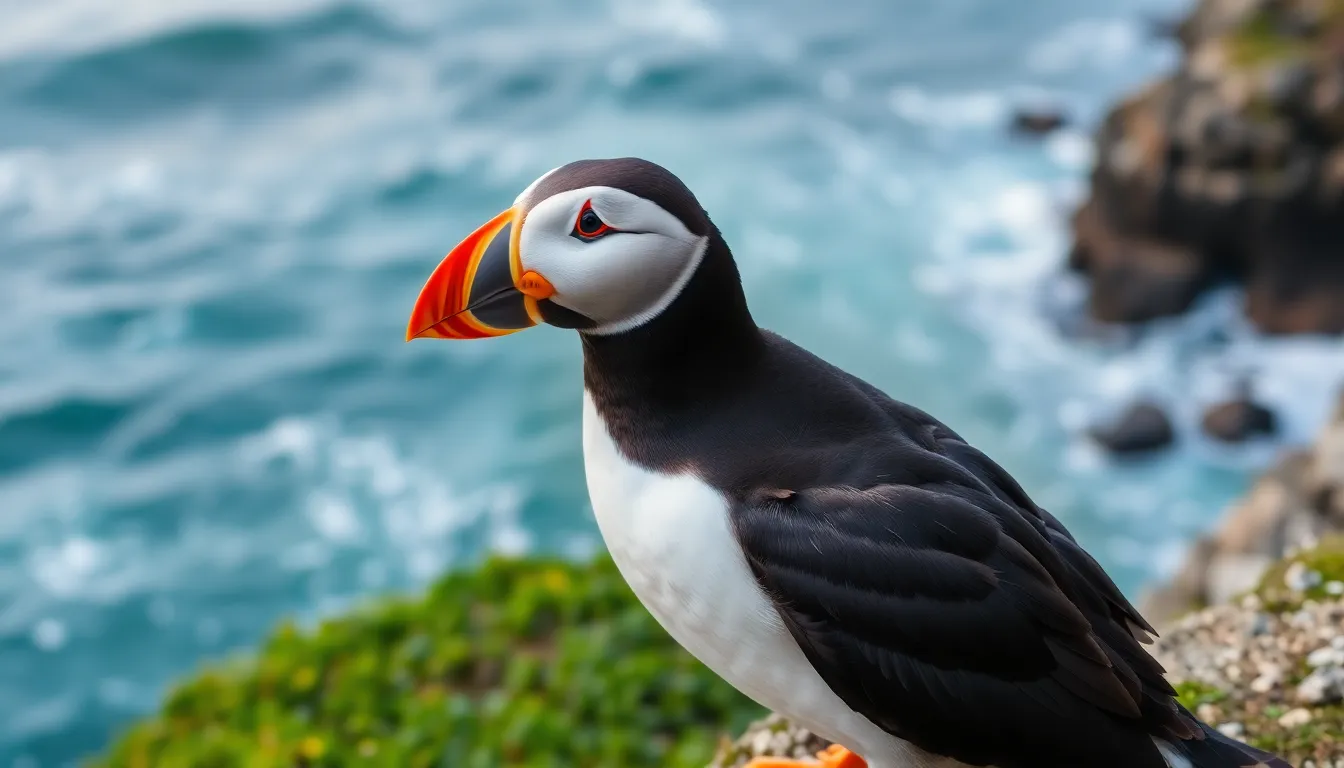
Distinctive markings add character to cute birds. Puffins feature colorful beaks during breeding season that resemble clown makeup. Penguins display tuxedo patterns that give them formal, dignified appearances. Robins showcase bright orange breasts that create friendly, approachable looks.
Behavioral Traits That Endear
Head tilting behaviors make birds appear curious and engaged. Parrots tilt their heads when listening, creating an impression of intelligence and attention. Owls rotate their heads dramatically, demonstrating flexibility that fascinates observers.
Playful actions increase cuteness appeal substantially. Young ravens slide down snowy slopes for entertainment. Otters among seabirds engage in group activities that showcase social bonds. Corvids use tools creatively, displaying problem solving abilities that impress humans.
Vocal expressions enhance emotional connections with viewers. Songbirds produce melodic calls that create peaceful atmospheres. Parrots mimic human speech, establishing communication bridges. Baby birds make high pitched peeping sounds that activate caretaking instincts.
Social behaviors demonstrate intelligence and emotional depth. Mated pairs preen each other affectionately. Parent birds feed their offspring with dedication. Flocking species coordinate movements in synchronized patterns that create visual spectacles.
Curious exploration patterns make birds appear adventurous and bold. Chickadees investigate bird feeders fearlessly. Woodpeckers examine tree bark methodically for insects. Nuthatches walk headfirst down tree trunks, displaying unique locomotion abilities.
Top 10 Cutest Bird Species
We’ve compiled our definitive list of the industry’s most adorable avian creatures that consistently capture hearts across social media platforms. These remarkable species combine the perfect blend of physical charm and endearing behaviors that make them impossible to resist.

Elevated Disc Design with Built-In Ant Moat & tubular feeding ports - BPA-free plastic disc feeder features 5 raised feeding ports with integrated ant moat above the nectar tray. Built-in tubular feeding ports extend deep into the reservoir to create a natural barrier, effectively preventing bees from reaching the nectar while allowing hummingbirds easy access.

Bee & Ant Protection - Features 4 metal flower feeding ports with built-in ant moat to keep pests away; 360° metal perches allow multiple hummingbirds to feed comfortably; BPA-free base ensures bird safety
Bee & Ant Protection - Features 4 metal flower feeding ports with built-in ant moat to keep pests away; 360° metal perches allow multiple hummingbirds to feed comfortably; BPA-free base ensures bird safety
Penguins: Nature’s Tuxedoed Comedians
Penguins waddle their way into our hearts with their distinctive black and white formal attire that makes every day look like a sophisticated gathering. Emperor penguins stand 45 inches tall and weigh up to 88 pounds while their chicks display fluffy gray down feathers that create an irresistibly cuddly appearance. Adelie penguins perform elaborate courtship rituals where males present pebbles to potential mates as romantic gifts.
Their comedic sliding behavior called tobogganing allows them to glide across ice on their bellies at speeds reaching 5 mph. Baby penguins huddle together in groups called creches while their parents hunt for fish in frigid waters. Gentoo penguins can dive to depths of 655 feet and swim at speeds of 22 mph even though their clumsy land movements.
Owls: Big Eyes and Fluffy Feathers
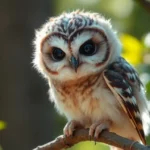
Owls possess enormous forward-facing eyes that can be 3 times larger than human eyes relative to body size creating an instantly loveable appearance. Barn owl chicks emerge from eggs covered in white downy feathers so soft they appear like living cotton balls. Great horned owlets develop distinctive ear tufts that aren’t actually ears but feather clusters that enhance their expressive faces.
Screech owls measure only 6.3 to 9.8 inches in length making them perfect pocket-sized bundles of fluff. Northern saw-whet owls weigh less than 4 ounces and can fit comfortably in adult human hands. Burrowing owls display unique behaviors like head bobbing and leg stretching that create endearing animated expressions.
Hummingbirds: Tiny Jewels of the Sky
Hummingbirds showcase iridescent plumage that shifts colors from emerald green to ruby red depending on light angles creating living gemstone effects. Bee hummingbirds from Cuba measure just 2.25 inches long and weigh 0.07 ounces making them the industry’s smallest bird species. Ruby-throated hummingbirds can beat their wings 53 times per second producing the distinctive humming sound that gives them their name.
Anna’s hummingbirds perform elaborate courtship dives reaching speeds of 385 body lengths per second during their aerial displays. Rufous hummingbirds migrate 3,900 miles annually even though weighing less than a penny. Costa’s hummingbirds can rotate their heads 180 degrees and hover motionless in mid-air while feeding on nectar from tubular flowers.
Puffins: Colorful Clowns of the Sea
Puffins develop bright orange triangular beaks during breeding season that can hold up to 62 small fish crosswise in a single fishing trip. Atlantic puffin chicks called pufflings grow dense black down feathers before developing their distinctive adult coloring patterns. Their webbed orange feet provide excellent swimming propulsion underwater where they can dive to depths of 200 feet.
Tufted puffins display golden feather crests during mating season that flutter dramatically in coastal winds. Puffin colonies can contain over 100,000 breeding pairs creating bustling seaside communities on rocky clifftops. Their comical walking style combined with expressive facial markings makes them appear perpetually surprised or delighted about their surroundings.
Baby Birds: Maximum Cuteness Overload
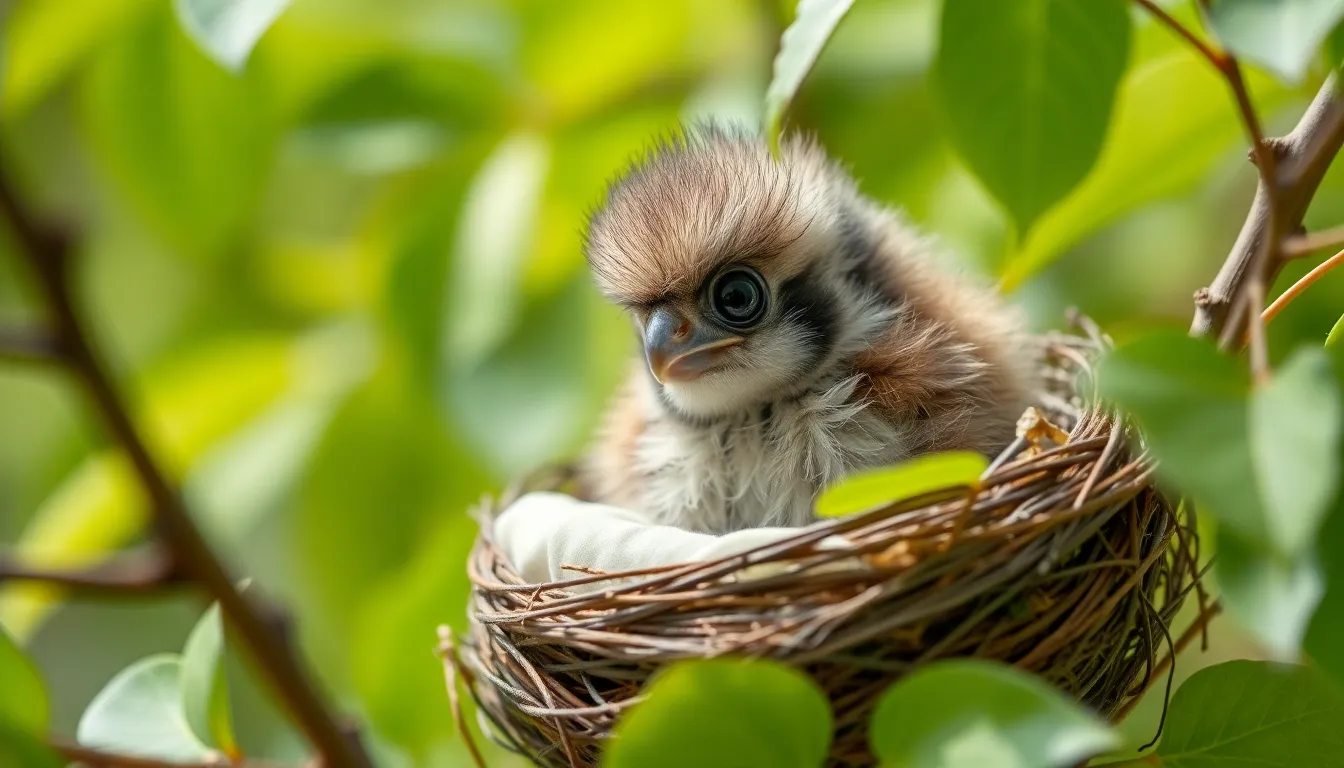
Baby birds represent the pinnacle of avian adorability with their oversized features and helpless behaviors. These tiny creatures capture our hearts through distinct developmental phases that showcase nature’s most endearing transformations.

FOR SMALL BIRDS: This nutrient-rich universal blend food is ideal for canaries, parakeets, finches and other small birds

Sunflower chips and other small grains added to provide a nutritional mix that birds love

PREMIUM WILD BIRD FOOD BLEND ideal for attracting a variety of colorful songbirds to your backyard and keep them coming back for more.
Chick Development Stages
Newly hatched chicks emerge as pink, featherless creatures with disproportionately large heads and closed eyes. Their beaks appear massive compared to their tiny bodies, creating an immediate appeal that triggers protective instincts.
Day 1-7: Hatchling Stage
- Eyes remain closed for the first week
- Pin feathers begin emerging as dark spots under translucent skin
- Begging behaviors include wide mouth opening and high-pitched peeping
- Body weight doubles within the first few days
Week 2-3: Nestling Development
- Eyes open revealing bright, curious expressions
- Fluffy down feathers cover the body in soft gray or brown tufts
- Wing flapping exercises begin as muscles strengthen
- Distinctive species markings start appearing around facial areas
Week 3-5: Fledgling Transformation
- Adult feather patterns emerge through molting processes
- First flight attempts occur with awkward wing coordination
- Parent dependency decreases as foraging skills develop
- Tail feathers reach approximately 60% of adult length
Songbird species like robins complete this cycle in 35 days, while raptors such as owls require 8-10 weeks for full development. Each stage presents unique characteristics that maximize cuteness appeal through vulnerability displays.
Why We Find Baby Animals Irresistible
Baby birds activate exact neural pathways in human brains through a phenomenon called the “baby schema” response. Scientists identify key features that trigger immediate caregiving instincts across all cultures.
Physical Triggers
Large eyes occupy nearly 15% of a baby bird’s head compared to 5% in adults. Round heads with shortened beaks create facial proportions similar to human infants. Soft, downy feathers invite touching behaviors while small body sizes evoke protection responses.
Behavioral Appeals
Helpless movements and unsteady walking patterns stimulate nurturing emotions. Constant begging calls create auditory bonds between observers and chicks. Wing fluttering attempts appear endearingly clumsy compared to graceful adult flight patterns.
Evolutionary Advantages
This attraction serves survival purposes by encouraging human intervention during vulnerable periods. Baby birds benefit from increased feeding opportunities when humans provide supplemental resources. Species with enhanced cute features show higher survival rates in urban environments where human interaction occurs frequently.
Research indicates that viewing baby animals increases oxytocin levels by 23% within 5 minutes of observation. These hormonal changes explain our compulsive desire to protect and nurture young birds we encounter.
Cute Birds in Popular Culture
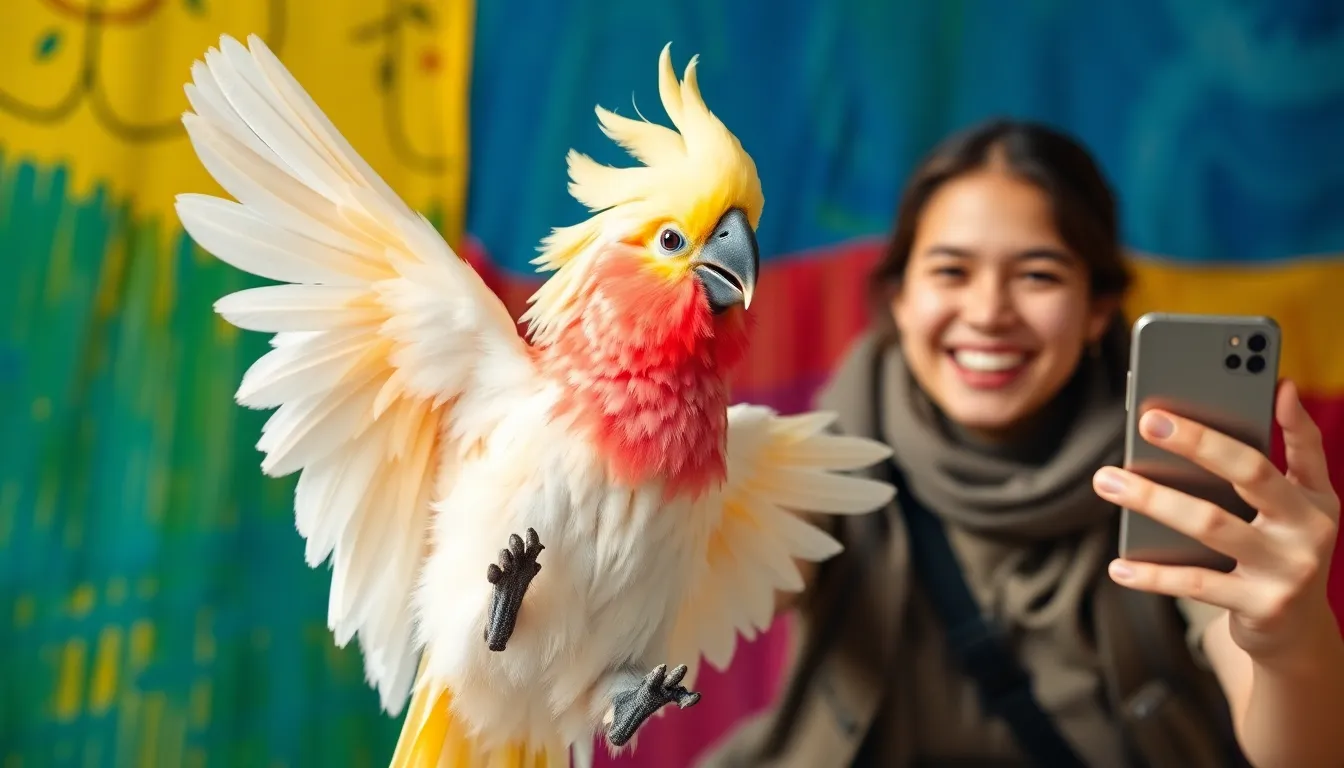
Cute birds have transcended their natural habitats to become cultural phenomena that captivate audiences worldwide. Their charm extends far beyond birdwatching enthusiasts into mainstream entertainment and digital platforms.

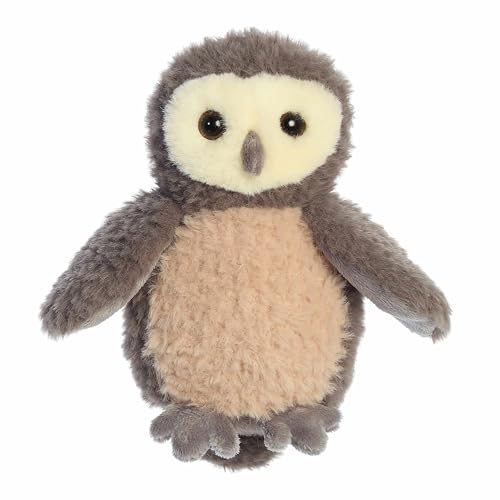
Baby Owl Stuffed Animal

Featuring a realistic design crafted with natural colors, Swoop the Barn Owl stuffed animal is great as an educational tool or for just plain fun! Made with luxuriously soft materials, this plush toy extra cuddly and great for hugs
Social Media Stars and Viral Videos
Social media platforms showcase countless adorable bird personalities that accumulate millions of followers through their endearing antics. TikTok features dancing cockatoos like Snowball who became internet sensations with their synchronized movements to popular songs. YouTube channels dedicated to pet birds generate substantial viewership numbers, with some channels reaching over 2 million subscribers who tune in regularly for daily bird content.
Instagram accounts featuring photogenic birds create captivating content through their expressive poses and colorful plumage displays. Budgerigars performing tricks garner thousands of likes per post, while African Grey parrots demonstrating their vocabulary skills achieve viral status within hours. Twitter bird accounts often share heartwarming moments that resonate with audiences seeking uplifting content during challenging times.
Viral bird videos frequently showcase unexpected behaviors that surprise viewers and generate widespread sharing. Parrots mimicking popular movie quotes accumulate millions of views across multiple platforms. Owls displaying their head rotation abilities create mesmerizing content that users share extensively throughout various social networks.
Animated Characters and Mascots
Animation studios recognize the marketing potential of cute bird characters and incorporate them into beloved franchises that span generations. Disney’s animated birds like Zazu from The Lion King demonstrate wisdom and humor while maintaining their adorable appeal through expressive facial animations. Pixar’s bird characters showcase personality traits that audiences connect with emotionally throughout their cinematic experiences.
Corporate mascots featuring bird designs leverage cuteness factors to create memorable brand associations that increase consumer recognition. Twitter’s former bird logo represented simplicity and approachability that users immediately recognized across digital platforms. Sports teams adopt bird mascots with exaggerated cute features that engage fans and create merchandise opportunities throughout their competitive seasons.
Video game characters featuring bird designs capture player attention through their charming appearances and entertaining gameplay mechanics. Angry Birds generated billions in revenue by combining simple bird designs with captivating puzzle mechanics that appealed to players worldwide. Pokemon franchises feature many bird inspired creatures whose cute characteristics drive merchandise sales and fan engagement across multiple entertainment mediums.
Cartoon series regularly feature bird characters as central figures who teach valuable lessons while maintaining their endearing qualities. These characters often possess human like traits that make complex topics accessible to younger audiences while entertaining adult viewers simultaneously.
Photography Tips for Capturing Cute Bird Moments
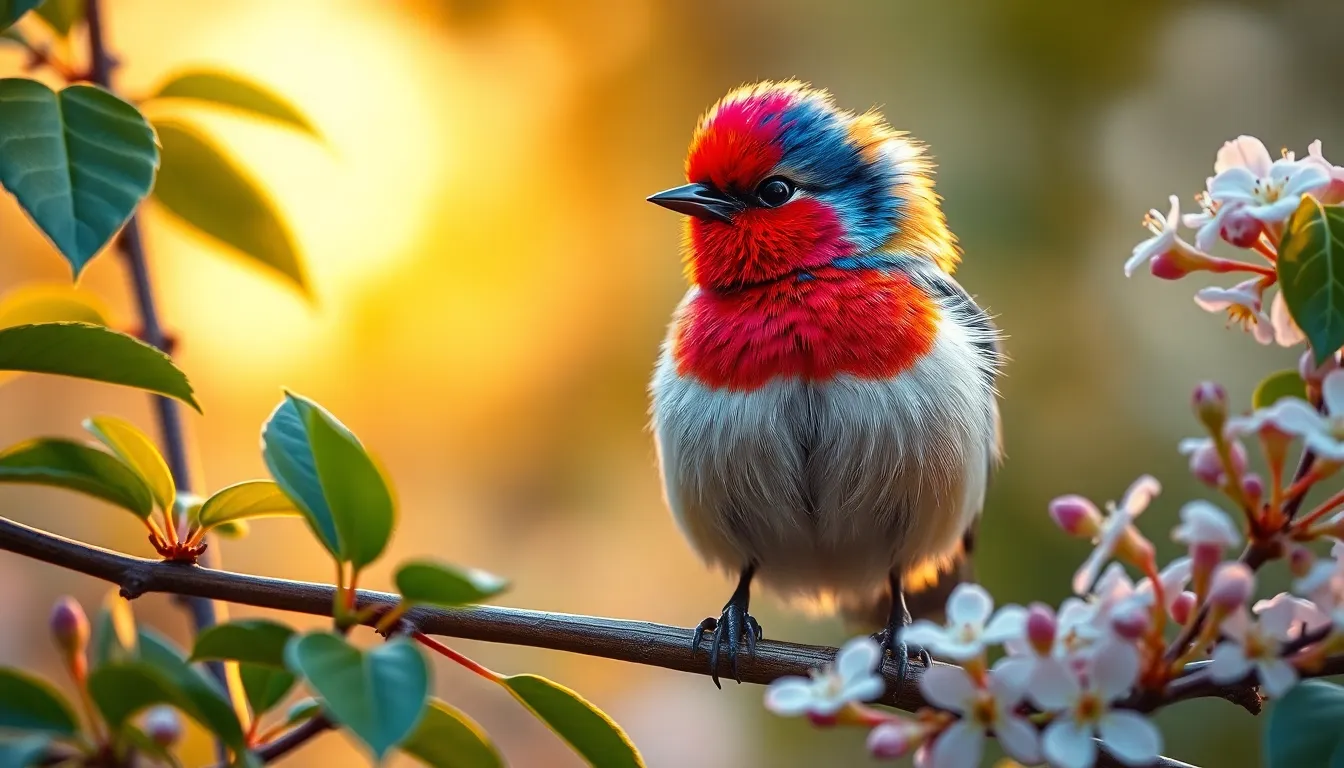
Photography excellence starts with understanding your feathered subjects’ natural behaviors and timing patterns. We recommend observing birds for 15-20 minutes before taking any shots to identify their movement patterns, feeding schedules, and preferred perching locations.
Essential Camera Settings for Bird Photography
| Setting | Recommended Value | Purpose |
|---|---|---|
| Shutter Speed | 1/1000s or faster | Freeze wing movement |
| Aperture | f/5.6 – f/8 | Sharp focus with background blur |
| ISO | 800 – 3200 | Maintain fast shutter in low light |
| Focus Mode | Continuous AF (AI Servo/AF-C) | Track moving subjects |
Lighting Techniques That Enhance Cuteness
Golden hour lighting, occurring 1 hour after sunrise and before sunset, creates warm tones that highlight fluffy plumage textures. Overcast conditions provide soft, even illumination that reduces harsh shadows around birds’ eyes and beaks. Backlighting creates rim lighting effects that emphasize downy feathers on chicks and juvenile birds.
Positioning Strategies for Maximum Impact
Eye-level shots create intimate connections between viewers and cute bird subjects. Getting down to the bird’s height eliminates distracting backgrounds and emphasizes their small stature relative to their environment. We position ourselves 10-15 feet away from active feeding areas to capture natural behaviors without causing stress.
Capturing Behavioral Moments
Head tilting behaviors occur most frequently during the early morning hours between 6-8 AM when birds are most alert. Feeding interactions between parent birds and their young happen every 10-15 minutes during peak breeding season. Social preening behaviors among paired birds typically last 2-3 minutes and create heartwarming photographic opportunities.
Equipment Recommendations for Cute Bird Photography
Telephoto lenses ranging from 300-600mm allow comfortable shooting distances while maintaining sharp detail on small subjects. Image stabilization technology becomes crucial when shooting handheld at slower shutter speeds in shaded environments. Extension tubes enable close-up shots of tiny birds like hummingbirds and wrens without disturbing their natural behaviors.
Background and Composition Elements
Clean, uncluttered backgrounds emphasize the bird’s cute features and prevent visual distractions. Natural perches like flowering branches and colorful leaves complement the bird’s appearance while maintaining environmental context. We use shallow depth of field techniques to isolate subjects and create professional-looking bokeh effects that enhance the overall cuteness factor.
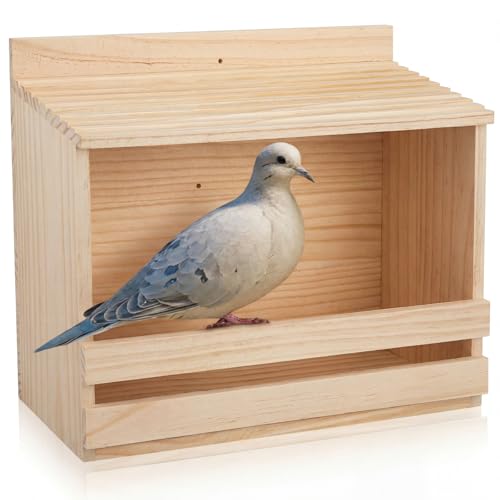
Natural Pine Construction: enjoy an outdoor dove nesting box crafted from natural pine wood, featuring a large opening for easy internal cleaning and a roof design that prevents water accumulation; Built to last over 10 years, it offers a safe and cozy space for pigeons and small birds

Elegant Design: The triangular opening and timeless wooden construction make this nesting box not only functional but also a beautiful addition to your garden decor

Material: The dove nesting box is made of high-quality natural cedar wood, with a stable structure that is not easily deformed. Its weather-resistant materials ensure durability in all seasons
Conservation: Protecting Our Feathered Friends

Conservation efforts directly impact the survival of our planet’s most adorable bird species. We’re witnessing unprecedented challenges threatening these charming creatures across diverse ecosystems worldwide.
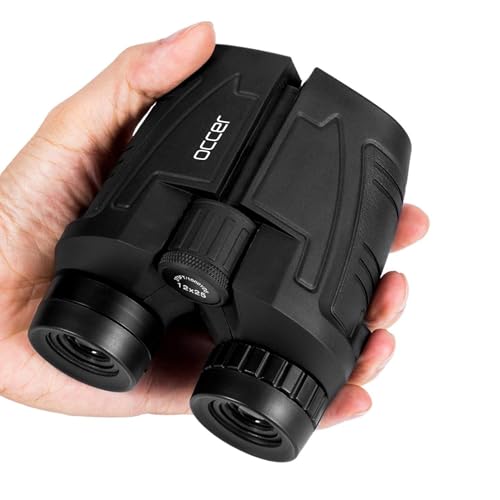
【HIGH-POWERED LARGE EYEPIECE BINOCULARS】 This binoculars for adults has 12x magnification, 25mm objective lens and wide field of view, 273ft/1000yds, letting you look farther and see wider. Coating with FMC Broadband coating and premium BAK4 prism, it ensure imaging verisimilar.
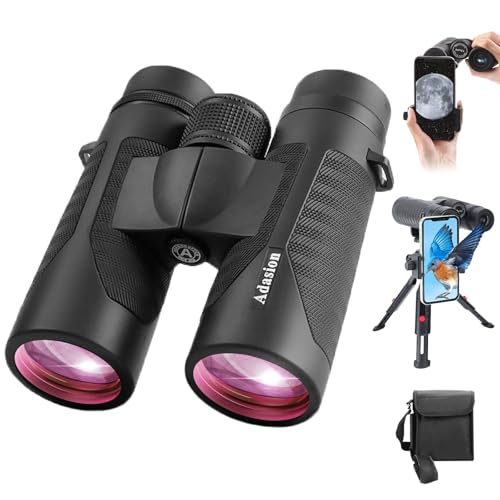
POWERFUL & LIGHTWEIGHT BINOCULARS : With 12x magnification and a 42mm objective lens, Adasion binoculars deliver a 367/1000yds field of view while weighing only 1.25 lbs. The 18mm eyepiece ensures sharp, detailed images—ideal for bird watching, cruise ship, stargazing, hunting, traveling, hiking and sports events.

TOP QUALITY AND BUDGET-FRIENDLY BINOCULARS: A great pair of binoculars that combines top engineering features with an economical price. Perfect for backyard birdwatching, sports events, nature and wildlife viewing, hunting, travel, boating, concerts, and live events.
Habitat Loss Threatens Cute Species
Urban development destroys nesting sites for cavity-dwelling birds like owls and woodpeckers at alarming rates. Agricultural expansion eliminates wildflower meadows where hummingbirds collect nectar during migration seasons. Coastal development particularly affects puffin colonies, with 60% of Atlantic puffin breeding sites experiencing population declines over the past decade.
Deforestation impacts songbird populations that charm us with morning melodies. Forest fragmentation forces cute species like chickadees and nuthatches into smaller territories with limited food resources.
Climate Change Effects on Adorable Birds
Rising temperatures alter migration patterns for beloved species across continents. Arctic terns face extended flight distances as ice caps shrink, affecting their breeding success rates. Penguin populations decline as krill availability decreases due to ocean warming trends.
Extreme weather events destroy nesting colonies more frequently than historical patterns indicate. Hurricane seasons now extend longer periods, disrupting breeding cycles for coastal cute birds like terns and plovers.
Conservation Success Stories
| Species | Population Recovery | Conservation Method | Timeframe |
|---|---|---|---|
| Bald Eagle | 316,000 birds | DDT ban + habitat protection | 40 years |
| California Condor | 500+ birds | Captive breeding programs | 35 years |
| Atlantic Puffin | Stable populations | Marine protection zones | 15 years |
Recovery programs demonstrate effective strategies for protecting adorable species. Captive breeding initiatives saved many owl species from extinction through dedicated facility management. Habitat restoration projects create safe spaces where cute birds raise their young successfully.
How We Can Help
Backyard bird feeding supports local populations during harsh weather conditions. Native plant gardens provide natural food sources for hummingbirds, finches and other charming species throughout seasons. Window strike prevention saves millions of cute birds annually through simple modifications.
Citizen science projects like eBird contribute valuable data for monitoring adorable bird populations. Photography enthusiasts document species distributions while enjoying their hobby responsibly.
Supporting wildlife organizations funds critical research protecting our favorite feathered friends. Donations enable habitat acquisition, species monitoring programs and public education initiatives that ensure future generations experience the joy these cute birds bring to our lives.
Conclusion
We’ve explored the captivating industry of cute birds and discovered why these feathered friends hold such a special place in our hearts. From their endearing physical features to their playful behaviors these remarkable creatures continue to enchant us across all platforms and cultures.
Whether you’re photographing them in your backyard or supporting conservation efforts every interaction with cute birds reminds us of nature’s incredible ability to bring joy into our lives. Their presence enriches our industry in countless ways making each sighting a precious moment worth cherishing.
The magic of cute birds lies not just in their appearance but in their power to connect us with the natural industry around us.

【Attract More Hummingbirds Bee & Ant Resistant】 Designed with 4 flower-shaped feeding ports and a built-in ant moat, this glass hummingbird feeder helps keep nectar accessible to hummingbirds. The circular perch allows multiple birds to feed and rest comfortably at the same time.

Reliable Leak-Resistant Design: Thanks to a precision-fit base and a durable, food-grade silicone gasket, our feeder stays completely drip-free—even when the wind picks up. Say goodbye to wasted nectar and sticky patio furniture. Just hang, fill, and enjoy a clean backyard.

Durable & Decorative: Crafted from thickened glass,the hummingbird feeder is built to withstand year-round outdoor conditions. It delivers long-lasting reliability while doubling as a decorative outdoor hummingbird feeder for your garden or patio.
Frequently Asked Questions

AMERICA’S EVERYDAY FAVORITE blend and a mainstay in backyard feeders. Complete with a number of different grains to attract many birds year-round.

Blend of Wild Birds' favorite seeds and grains

A tasty treat for a variety of lovely perching and ground feeding birds
What makes a bird cute?
Birds are considered cute due to specific physical traits like large eyes, round heads, fluffy plumage, and bright colors that trigger our nurturing instincts. Small body proportions and distinctive markings, such as those found on puffins and robins, also enhance their appeal. Behavioral characteristics like head tilting, playful actions, and vocal expressions create emotional connections with humans.
Which are the top 10 cutest bird species?
The cutest bird species include penguins with their tuxedo-like appearance, owls with large eyes and fluffy feathers, hummingbirds known for iridescent plumage, and puffins recognized for colorful beaks. Other adorable species feature unique charm and behaviors that have captivated hearts across social media platforms, each contributing to their widespread popularity and appeal.
Why do we find baby birds so irresistible?
Baby birds trigger our “baby schema” response through oversized features, helpless behaviors, and distinct developmental phases. This evolutionary mechanism increases oxytocin levels when we view young animals, activating our caregiving instincts. Their fluffy appearance, large eyes, and vulnerable nature naturally make us want to protect and nurture them.
How have cute birds influenced popular culture?
Cute birds have become cultural phenomena through social media personalities, animated characters, and corporate mascots. Dancing cockatoos and talking parrots gain millions of followers online, while video games like Angry Birds combine charming designs with engaging gameplay. Their widespread appeal transcends birdwatching, entertaining audiences across various platforms and creating memorable brand associations.
What photography tips help capture cute bird moments?
Successful bird photography requires understanding natural behaviors, proper timing, and essential camera settings. Use telephoto lenses for intimate shots, focus on lighting techniques, and consider positioning strategies. Image stabilization technology helps achieve sharp photos, while thoughtful background and composition elements enhance the overall impact and highlight birds’ cute features effectively.
What conservation threats do cute bird species face?
Adorable bird species face significant threats from habitat loss due to urban development and agricultural expansion, which destroy nesting sites and food sources. Climate change disrupts migration patterns and breeding cycles through rising temperatures and extreme weather events. These factors collectively endanger many beloved bird populations worldwide.
How can I help support local bird conservation?
Support local bird populations through backyard feeding, creating native plant gardens, and participating in citizen science projects. Contribute to wildlife organizations that fund essential research and conservation initiatives. These simple actions help provide food sources, nesting habitats, and valuable data for protecting bird species in your community.
What successful bird conservation efforts exist?
Successful conservation programs include captive breeding initiatives and habitat restoration projects that have helped recover species like the Bald Eagle and California Condor. These efforts demonstrate how dedicated conservation work, combined with community support and scientific research, can effectively restore endangered bird populations and prevent extinctions.