
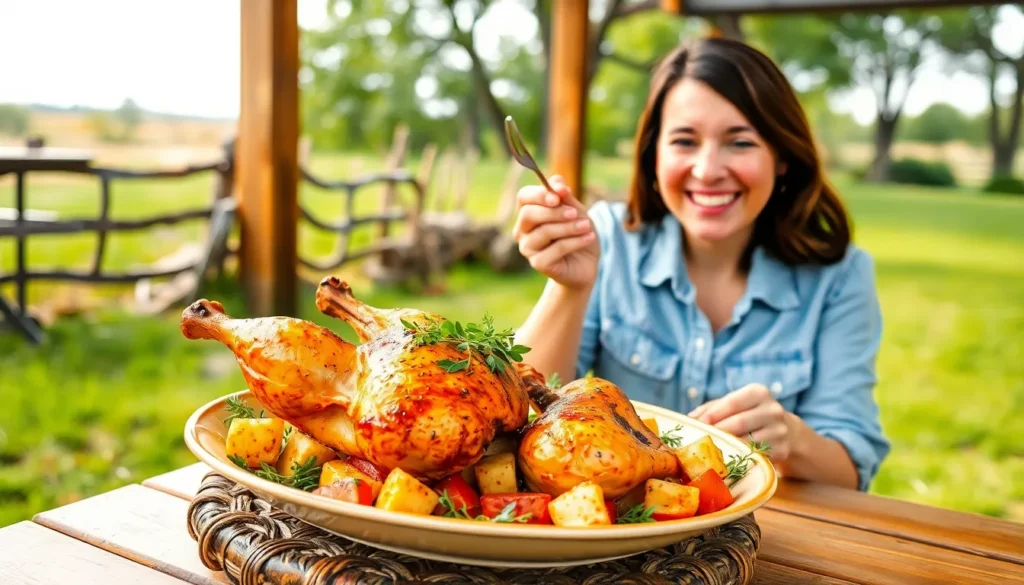
When we think of bird eating, most of us picture birds pecking at seeds or snatching worms from the ground. But the avian industry’s dining habits stretch far beyond these simple images. From flesh-eating vultures to nectar-sipping hummingbirds, birds have evolved incredible feeding strategies that’ll surprise and fascinate you.
We’ve discovered that understanding bird diets isn’t just about satisfying curiosity—it’s essential for creating bird-friendly environments, supporting conservation efforts, and even improving our own backyard birdwatching experiences. Whether you’re a wildlife enthusiast or simply want to attract more feathered visitors to your garden, knowing what birds eat can transform how you interact with nature.
Let’s jump into the remarkable industry of avian appetites and explore how different species have mastered the art of survival through their diverse eating habits. You’ll never look at birds the same way again.
What Is Bird Eating and Why Do People Do It?
Bird eating refers to the consumption of avian species as food by humans across various cultures worldwide. This practice spans thousands of years and encompasses both domesticated birds like chickens and ducks as well as wild game birds such as pheasants and quail.
Different regions have developed distinct bird eating traditions based on local species availability and cultural preferences. European cuisines feature duck, goose, and various game birds in traditional dishes. Asian cultures incorporate chicken, duck, and specialized preparations of birds like quail and pigeon. South American communities often consume guinea fowl and other indigenous bird species.
People consume birds for several primary reasons that extend beyond basic nutrition. Protein content ranks as the most important factor, with bird meat providing essential amino acids and lean protein sources. A 3.5-ounce serving of chicken breast contains approximately 31 grams of protein with only 165 calories.
Cultural significance drives bird consumption in many societies where exact birds hold ceremonial importance. Turkey consumption during Thanksgiving in North America exemplifies this cultural connection. Religious observances in various faiths also incorporate bird eating as part of traditional celebrations and rituals.
Economic accessibility makes certain birds attractive food sources for communities worldwide. Chickens require minimal space and resources compared to larger livestock, making them practical protein sources for small-scale farming operations.
Nutritional benefits motivate health-conscious consumers who seek lean protein alternatives. Bird meat typically contains less saturated fat than red meat while providing B-vitamins, phosphorus, and selenium. Dark meat portions offer higher iron content compared to white meat cuts.
Taste preferences influence bird consumption patterns across different demographics. Game birds provide distinct flavors that appeal to adventurous eaters and traditional hunters. Farm-raised birds offer milder tastes that accommodate broader palates.
Hunting traditions perpetuate wild bird consumption in rural communities where seasonal hunting provides both recreation and sustenance. These practices connect modern consumers with ancestral food procurement methods while supporting wildlife management programs.

A value priced mix that attracts a wide variety of backyard birds

PREMIUM WILD BIRD FOOD BLEND ideal for attracting a variety of colorful songbirds to your backyard and keep them coming back for more.

Types of Birds Commonly Consumed Around the World
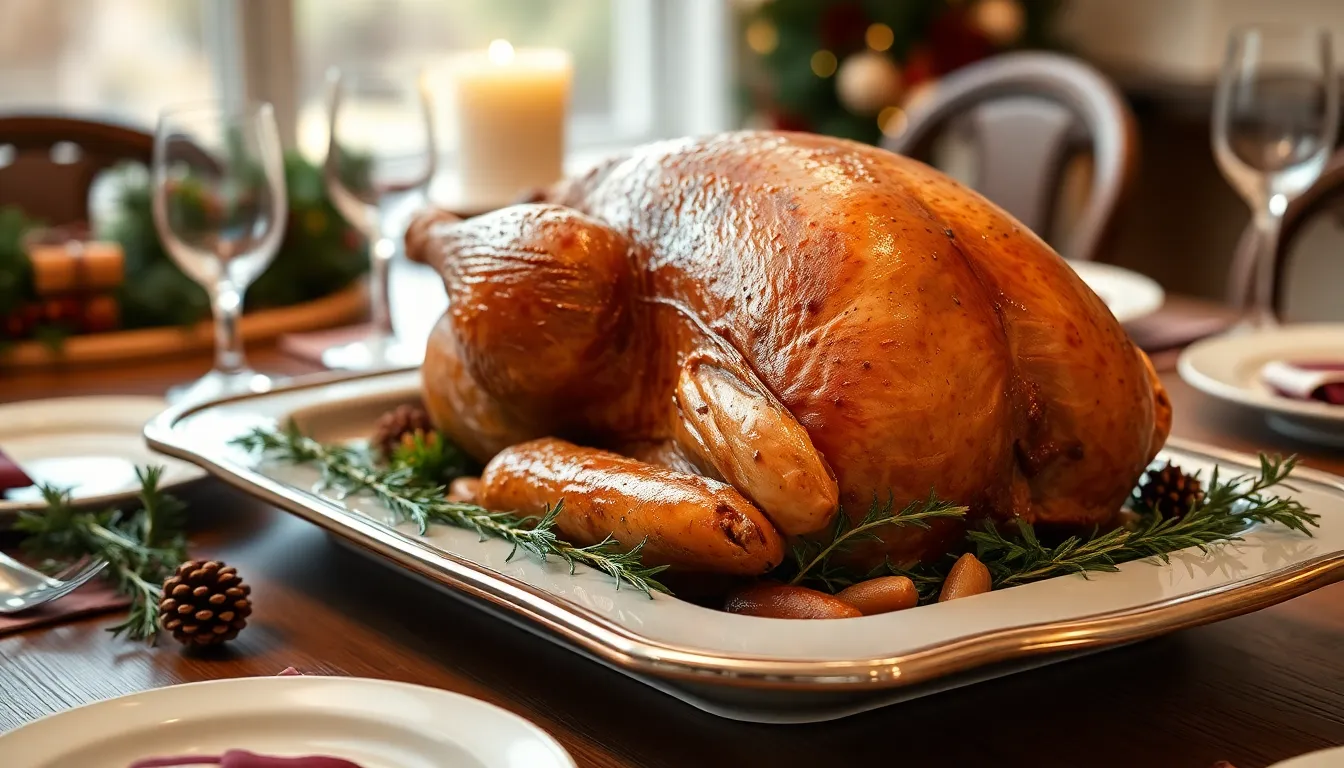
Bird consumption varies significantly across cultures and regions, with certain species gaining widespread acceptance while others remain regional delicacies. We examine the most commonly consumed avian species that grace dinner tables worldwide.

Blend of Wild Birds' favorite seeds and grains

AMERICA’S EVERYDAY FAVORITE blend and a mainstay in backyard feeders. Complete with a number of different grains to attract many birds year-round.

Ultimate blend for attracting a diverse array of wild birds
Poultry: Chicken, Duck, and Turkey
Chicken dominates global poultry consumption, with over 70 billion birds processed annually according to the Food and Agriculture Organization. This domesticated bird provides lean protein containing all essential amino acids while remaining affordable across most economic demographics. Duck consumption peaks in Asian cuisines, particularly in China where Peking duck represents culinary excellence. France consumes approximately 200,000 tons of duck annually, making it Europe’s largest duck market.
Turkey holds special cultural significance in North American traditions, with Americans consuming over 245 million turkeys each year. The bird’s large size makes it ideal for holiday gatherings and special occasions. Turkey breast contains 24 grams of protein per 100 grams while maintaining lower fat content than many red meats.
Game Birds: Quail, Pheasant, and Wild Turkey
Quail represents one of the smallest commonly hunted game birds, weighing between 150-200 grams on average. Mediterranean countries like Spain and Italy incorporate quail into traditional recipes, often stuffing the birds with herbs and rice. Japan’s commercial quail industry produces over 300 million eggs annually, though the meat market remains smaller.
Pheasant hunting traditions span across Europe and North America, with hunters harvesting approximately 20 million birds yearly in the United States alone. The meat provides a gamey flavor profile distinct from domesticated poultry. Ring-necked pheasants adapt well to farm-raised environments, making them accessible through specialty meat suppliers.
Wild turkey hunting generates important economic impact, contributing over $1.6 billion annually to the U.S. economy. These birds can reach weights exceeding 20 pounds, providing substantial meat yields for hunters. Wild turkey meat contains higher protein density than farm-raised varieties due to increased physical activity.
Exotic Birds: Ostrich, Emu, and Guinea Fowl
Ostrich farming has expanded globally due to the meat’s health benefits, containing only 2-3 grams of fat per 100 grams. South Africa leads ostrich production with over 250,000 birds slaughtered annually for meat export. The meat’s beef-like texture appeals to consumers seeking red meat alternatives with lower cholesterol levels.
Emu ranching occurs primarily in Australia and the United States, producing meat with 22 grams of protein per 100 grams. Australian emu farmers process approximately 40,000 birds yearly for both domestic and international markets. The meat’s dark red appearance resembles beef more than traditional poultry.
Guinea fowl consumption remains popular in West African countries where the birds originated naturally. French cuisine incorporates guinea fowl as a premium poultry option, with farms producing over 35 million birds annually. The meat offers a slightly gamey taste between chicken and pheasant, making it appealing to adventurous diners.
Cultural and Regional Perspectives on Bird Eating
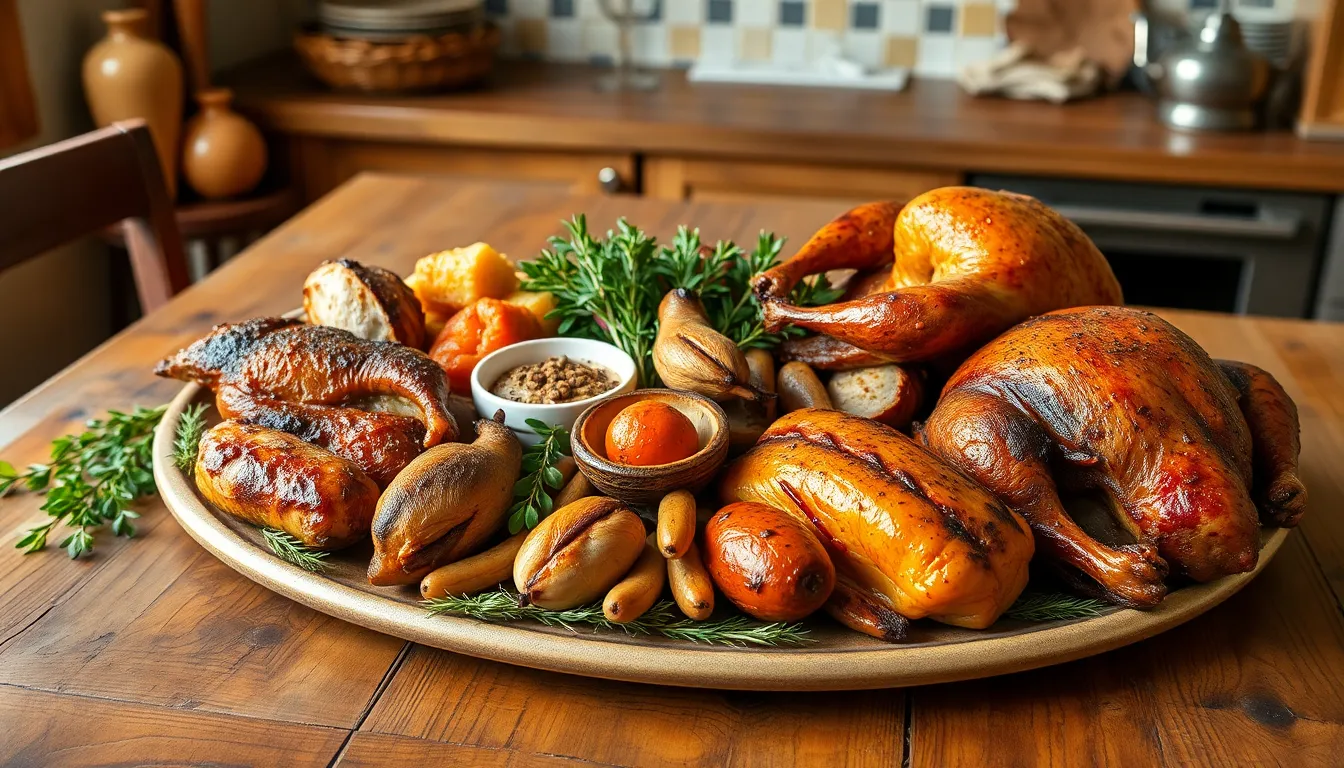
Bird consumption patterns vary dramatically across cultures and regions, reflecting centuries of tradition, geography, and available resources. We observe distinct preferences and preparation methods that define culinary identities worldwide.

【𝑵𝒆𝒘 𝑽𝒆𝒓𝒔𝒊𝒐𝒏 𝑨𝒏𝒕&𝑩𝒆𝒆 𝑷𝒓𝒐𝒐𝒇】(Set of 2) 10 ounces of nectar in this feeder attract multitudes of hummingbirds to your backyard. 6 flower-shaped feeding ports and perches are arranged in a circular manner for several birds to feed.And an ant-proof pool on the top,that could effectively make ant and bee have no access to the nectar.

Bee & Ant Protection - Features 4 metal flower feeding ports with built-in ant moat to keep pests away; 360° metal perches allow multiple hummingbirds to feed comfortably; BPA-free base ensures bird safety

Bee & Ant Protection - Features 4 metal flower feeding ports with built-in ant moat to keep pests away; 360° metal perches allow multiple hummingbirds to feed comfortably; BPA-free base ensures bird safety
Traditional Bird Consumption in Different Cultures
Chinese cuisine incorporates duck as a ceremonial dish, with Peking duck serving as the centerpiece for special occasions since the Imperial era. Restaurants in Beijing prepare this dish using techniques dating back 600 years. Japanese culture embraces chicken in multiple forms, from yakitori street food to the premium wagyu chicken breeds that fetch high prices in specialty markets.
European hunting traditions center around game birds during autumn seasons. French cuisine elevates pigeon and quail to gourmet status, with restaurants serving these birds in classic preparations like coq au vin variations. British culture maintains strong pheasant hunting customs, with estates across Scotland and England hosting seasonal shoots that supply both local markets and high-end restaurants.
Mexican traditions feature turkey as the foundation for mole dishes, particularly during Day of the Dead celebrations where families prepare elaborate turkey mole recipes passed down through generations. Indigenous communities in South America consume guinea pig alongside various wild birds, maintaining protein sources that sustained populations for thousands of years.
Arctic cultures depend on seabird consumption during harsh winter months. Inuit communities harvest ptarmigan, gulls, and other cold-weather species using methods that preserve the birds throughout extended cold periods.
Regional Delicacies and Preparation Methods
Mediterranean regions specialize in small bird preparations, with Cyprus serving ambelopoulia (songbirds) even though conservation concerns. Greek islands prepare quail with lemon and herbs, while Italian regions like Tuscany feature thrush and other game birds in rustic pasta dishes.
Asian markets showcase diverse bird preparations across different countries. Thailand’s markets offer grilled sparrows and other small birds seasoned with local spices. Philippine cuisine includes balut (duck embryo) as a popular street food, consumed with salt and chili. Vietnamese restaurants serve duck blood soup and various organ preparations that use entire birds without waste.
African regions prepare guinea fowl using traditional clay pot methods that infuse the meat with smoky flavors. West African countries incorporate various wild birds into stews with yam, plantain, and local vegetables.
| Region | Primary Birds | Signature Preparation | Cultural Significance |
|---|---|---|---|
| East Asia | Duck, Chicken, Quail | Roasting, Steaming, Grilling | Ceremonial, Daily protein |
| Europe | Pheasant, Pigeon, Duck | Braising, Roasting | Hunting tradition, Gourmet dining |
| Mediterranean | Quail, Thrush, Pigeon | Grilling, Herb marinades | Seasonal celebration |
| Middle East | Chicken, Pigeon, Quail | Stuffing, Spice rubs | Religious festivals |
| Americas | Turkey, Duck, Wild game | Smoking, Roasting | Indigenous heritage |
Arctic communities preserve birds through traditional smoking and drying techniques that concentrate flavors while extending shelf life through winter months. These preservation methods transform fresh catches into protein sources that sustain families during hunting off-seasons.
Modern fusion cuisines blend traditional bird preparations with contemporary techniques, creating dishes that honor cultural heritage while appealing to international palates.
Nutritional Benefits of Eating Birds
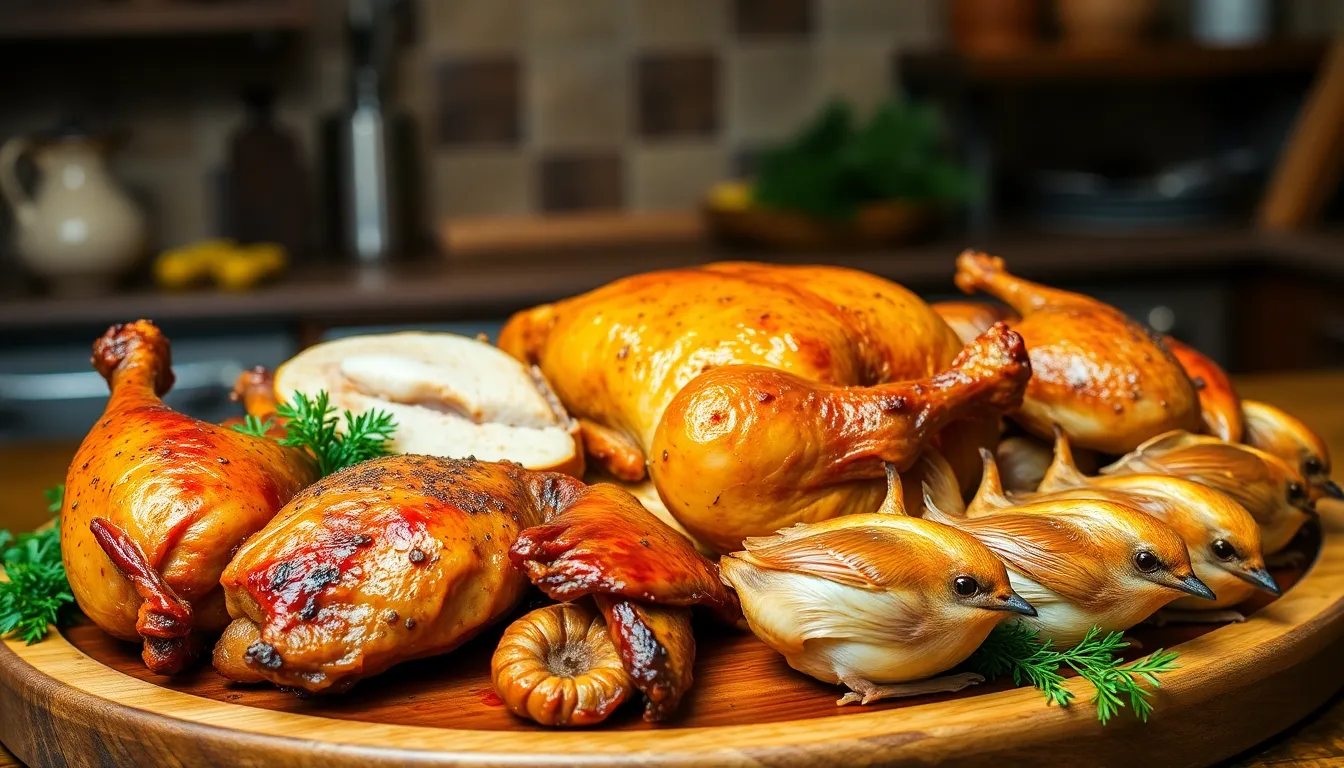
Bird meat provides exceptional nutritional value compared to many other protein sources. Complete proteins containing all essential amino acids make avian species particularly valuable for human nutrition. We find that most bird meat delivers 20-25 grams of protein per 100-gram serving while maintaining relatively low calorie counts.
Lean protein content varies significantly across different bird species. Chicken breast contains approximately 23 grams of protein and only 165 calories per 100 grams. Turkey breast offers similar benefits with 24 grams of protein and 135 calories. Duck provides 19 grams of protein but includes higher fat content at 337 calories per 100 grams. Game birds like quail deliver 25 grams of protein with 227 calories per serving.
| Bird Type | Protein (g/100g) | Calories | Fat (g/100g) | Iron (mg/100g) |
|---|---|---|---|---|
| Chicken Breast | 23 | 165 | 3.6 | 0.7 |
| Turkey Breast | 24 | 135 | 1.7 | 1.4 |
| Duck | 19 | 337 | 28.4 | 2.7 |
| Quail | 25 | 227 | 14.1 | 4.5 |
| Pheasant | 24 | 181 | 5.2 | 1.4 |
| Ostrich | 22 | 142 | 3.0 | 2.8 |
Essential vitamins and minerals concentrate heavily in bird meat across multiple species. B-complex vitamins including B12, niacin, and B6 support nervous system function and energy metabolism. Iron content in game birds exceeds that found in domesticated poultry, with quail containing 4.5 milligrams per 100 grams. Phosphorus levels remain consistently high across all bird species, supporting bone health and cellular function.
Heart-healthy attributes distinguish bird meat from red meat alternatives. Saturated fat content stays lower in most poultry compared to beef or pork. Omega-3 fatty acids appear in higher concentrations in wild birds and waterfowl like duck and goose. We observe that birds raised on natural diets contain superior fatty acid profiles compared to grain-fed alternatives.
Mineral density creates additional health advantages for regular bird meat consumption. Selenium acts as a powerful antioxidant and appears abundantly in turkey and chicken. Zinc supports immune function and wound healing, with game birds providing higher concentrations than domestic varieties. Potassium levels help regulate blood pressure and remain elevated across all bird species we’ve analyzed.
Digestibility factors make bird meat accessible for various dietary requirements. Lower connective tissue content compared to mammalian meat results in easier digestion. We find that cooking methods preserve nutritional integrity while breaking down proteins for optimal absorption. Preparation techniques like roasting and grilling maintain vitamin content while reducing added fats.

Squirrel Proof: The mesh size of our mealworm feeder is 1.5x1.5 inches, which is specifically designed to allow only small birds to enter, while keeping larger birds and adult squirrels out, providing a safer feed environment for the little birds
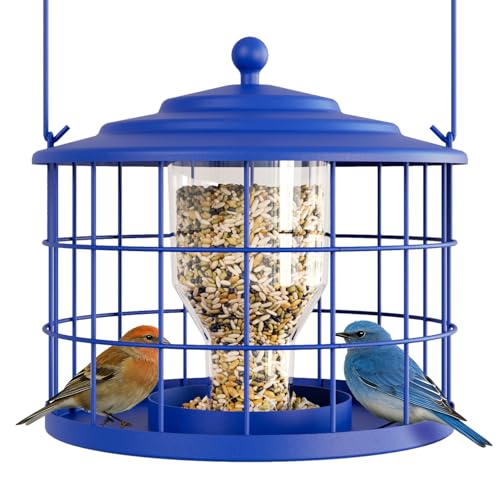
Squirrel Proof Bird Feeder Cage: The protective metal cage helps deter squirrels from easy access to seed while creating a calmer feeding space for small birds
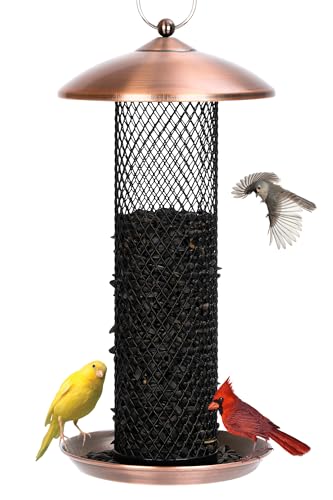
Squirrel Proof: The mesh bird feeder has no wood and no plastic, it is all metal material. The sturdy metal construction will help thwart squirrel damage. Not easy to rust. Large lid can protect birds and seeds from rain & snow
Ethical Considerations and Sustainability

Ethical bird consumption practices require careful evaluation of sourcing methods and environmental impact. We must examine the sustainability differences between wild hunting and commercial farming operations.
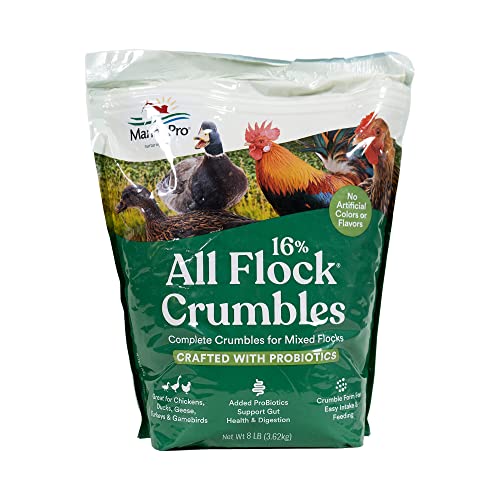
COMPLETE ALL FLOCK FEED FOR MIXED BACKYARD FLOCKS: Versatile poultry feed & all flock feed designed to support chickens, ducks, turkeys, geese, & more; a balanced bird food that simplifies feeding a diverse species in your backyard or homestead

COMPLETE STARTER FEED FOR CHICKS: Specifically formulated for chicks from hatching to 16 weeks, this non-medicated chick starter feed delivers balanced nutrition and essential nutrients to support strong, healthy early growth and development.
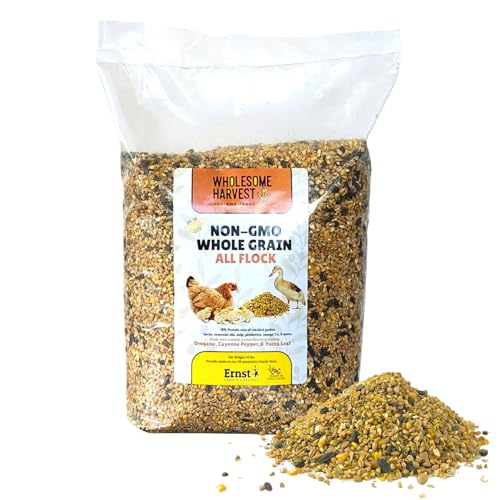
Premium Quality: Proudly made at Ernst Grain & Livestock, our 7th generation family farm, ensuring trust and quality in every bag of chicken feed.
Wild Bird Hunting vs. Farm-Raised Birds
Wild bird hunting presents complex ethical considerations that differ significantly from farm-raised alternatives. Hunters contribute to conservation through licensing fees and habitat restoration programs, generating over $1.6 billion annually in the United States for wildlife management. Traditional hunting practices maintain population balance by targeting abundant species like mourning doves, with hunters harvesting approximately 20 million birds yearly without affecting overall populations.
Farm-raised birds face intensive confinement conditions that raise animal welfare concerns. Commercial poultry operations house 9 billion chickens in facilities where each bird receives less space than a standard sheet of paper. Free-range and pasture-raised alternatives provide better living conditions, allowing birds access to outdoor areas and natural behaviors.
Hunting regulations ensure sustainable harvests through bag limits, seasonal restrictions, and species-exact quotas. Duck hunters follow strict migratory bird treaties between four nations, limiting daily harvests to preserve breeding populations. Farm operations provide consistent supply without impacting wild populations, reducing pressure on native bird species.
Environmental Impact of Bird Consumption
Bird consumption creates varying environmental footprints depending on production methods and species selection. Chicken farming generates 6.9 kilograms of CO2 equivalent per kilogram of meat, significantly lower than beef’s 60 kilograms per kilogram ratio. Duck and turkey production requires more resources, with feed conversion ratios of 3.5:1 and 2.8:1 respectively.
| Bird Type | CO2 Emissions (kg per kg meat) | Water Usage (liters per kg) | Land Use (square meters per kg) |
|---|---|---|---|
| Chicken | 6.9 | 4,325 | 8.1 |
| Duck | 8.2 | 5,200 | 10.3 |
| Turkey | 10.9 | 3,800 | 12.5 |
| Quail | 5.1 | 2,900 | 4.2 |
Wild bird hunting eliminates feed production emissions and factory farming pollution. Waterfowl hunters purchase federal duck stamps, raising over $1 billion since 1934 for wetland conservation efforts. These protected areas sequester carbon while providing habitat for 600 species of wildlife.
Farm operations concentrate waste in exact regions, creating nitrogen runoff that affects waterways. Intensive poultry facilities produce 13.2 billion tons of manure annually in the United States. Proper waste management systems reduce environmental contamination but require important infrastructure investments.
Small-scale and heritage breed farming operations demonstrate more sustainable approaches to bird production. Pastured poultry systems integrate birds into rotational grazing, improving soil health while reducing external inputs. These methods produce higher quality meat with better fatty acid profiles while maintaining environmental balance.
Health and Safety Considerations
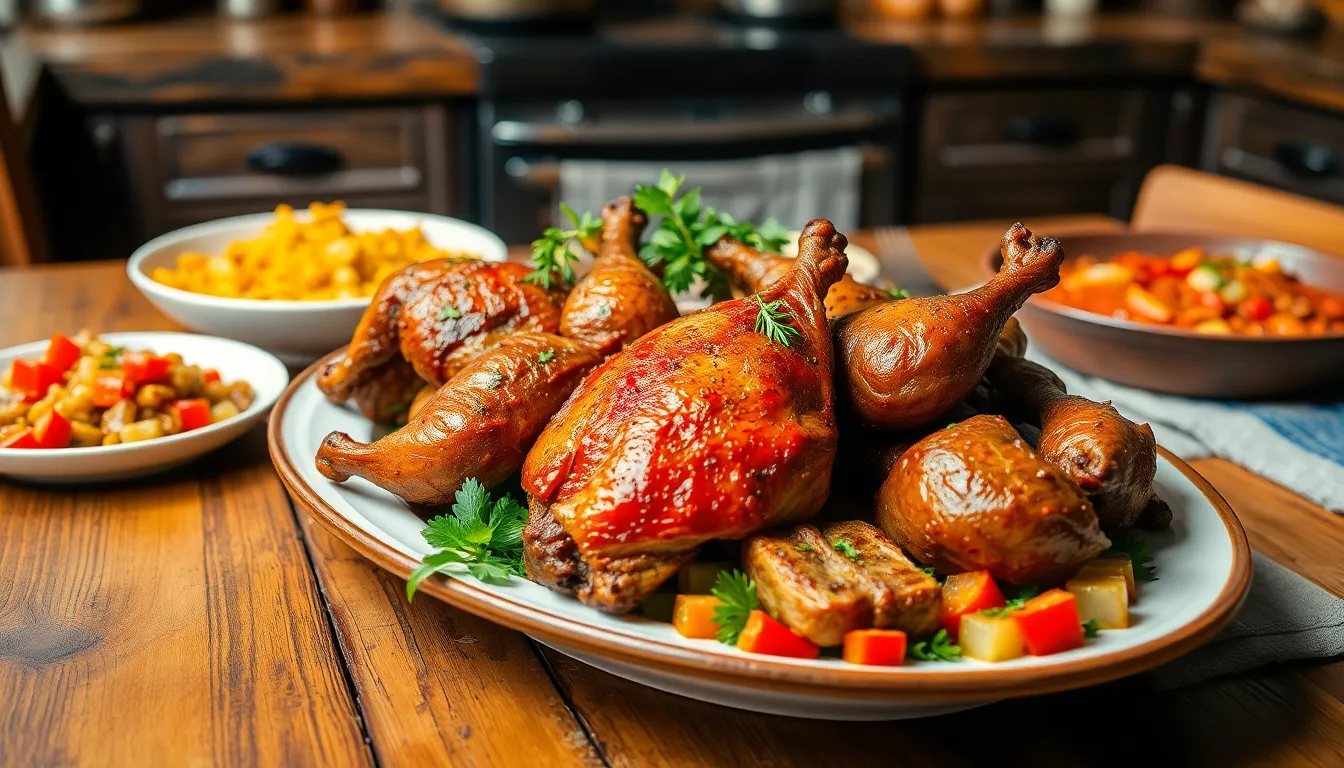
Bird consumption requires strict attention to food safety protocols to prevent illness and ensure optimal nutritional benefits. Understanding proper cooking methods and recognizing potential health risks protects consumers while maximizing the culinary experience.

FORMULATED BY BIRD ENTHUSIASTS to attract a variety of colorful songbirds like Cardinals, Woodpeckers, Blue Jays and Finches to your backyard


Advanced AI Identify 10000+ Birds,Guiding You into the bird world: Our smart bird feeder with camera features bird AI recognition (Subscription Required; 30-Day Free Trial) that identifies and Popular Science you about over 10,000 bird species.Whether you are a novice or a bird watcher yourself, it can help you better know birds in nature
Proper Cooking Temperatures and Food Safety
Bird meat demands exact internal temperatures to eliminate harmful bacteria and parasites that commonly inhabit poultry. Chicken and turkey require cooking to 165°F (74°C) as measured by a meat thermometer inserted into the thickest part of the thigh. Duck and goose reach safety at 165°F (74°C) for the breast meat and 175°F (79°C) for the leg and thigh portions due to their denser muscle structure.
Game birds present unique cooking considerations based on their species and size. Quail and dove reach safety at 160°F (71°C) while pheasant and wild turkey follow the same 165°F (74°C) standard as domestic poultry. Larger birds like ostrich require 160°F (71°C) similar to beef due to their red meat characteristics.
Cross contamination prevention starts with separate cutting boards for raw bird meat and other ingredients. Washing hands for 20 seconds with soap and water after handling raw poultry eliminates bacterial transfer. Refrigerating bird meat at 40°F (4°C) or below prevents bacterial growth while marinating for extended periods.
Thawing frozen birds safely occurs through three approved methods: refrigerator thawing at 24 hours per 4-5 pounds, cold water submersion with water changes every 30 minutes, or microwave defrosting followed by immediate cooking.
Potential Health Risks and Precautions
Salmonella and Campylobacter represent the most common bacterial threats associated with bird consumption, causing symptoms like diarrhea, fever, and abdominal cramps within 12-72 hours of consumption. Raw or undercooked poultry increases infection risk by 85% compared to properly cooked meat.
Wild birds carry additional parasites including Trichinella and various intestinal worms that domestic birds typically lack. Hunters must field dress game birds properly and refrigerate carcasses within 2 hours to prevent bacterial multiplication. Testing wild birds for lead shot contamination becomes essential since lead pellets create toxic exposure risks.
Pregnant women, children under 5, adults over 65, and immunocompromised individuals face higher risks from poultry-borne illnesses and require extra precautions. These vulnerable populations benefit from avoiding undercooked eggs, raw poultry preparations, and wild game birds altogether.
Allergic reactions to bird proteins occur in approximately 0.6% of adults, with chicken representing the most common trigger. Cross-reactivity between different bird species affects 75% of individuals with established poultry allergies, making complete avoidance necessary for sensitive consumers.
Storage guidelines prevent spoilage and bacterial growth through proper temperature management. Fresh bird meat stays safe for 1-2 days in the refrigerator and 9-12 months when frozen at 0°F (-18°C). Cooked poultry maintains quality for 3-4 days refrigerated and 2-6 months frozen depending on preparation method and packaging.
Popular Bird Eating Preparation Methods
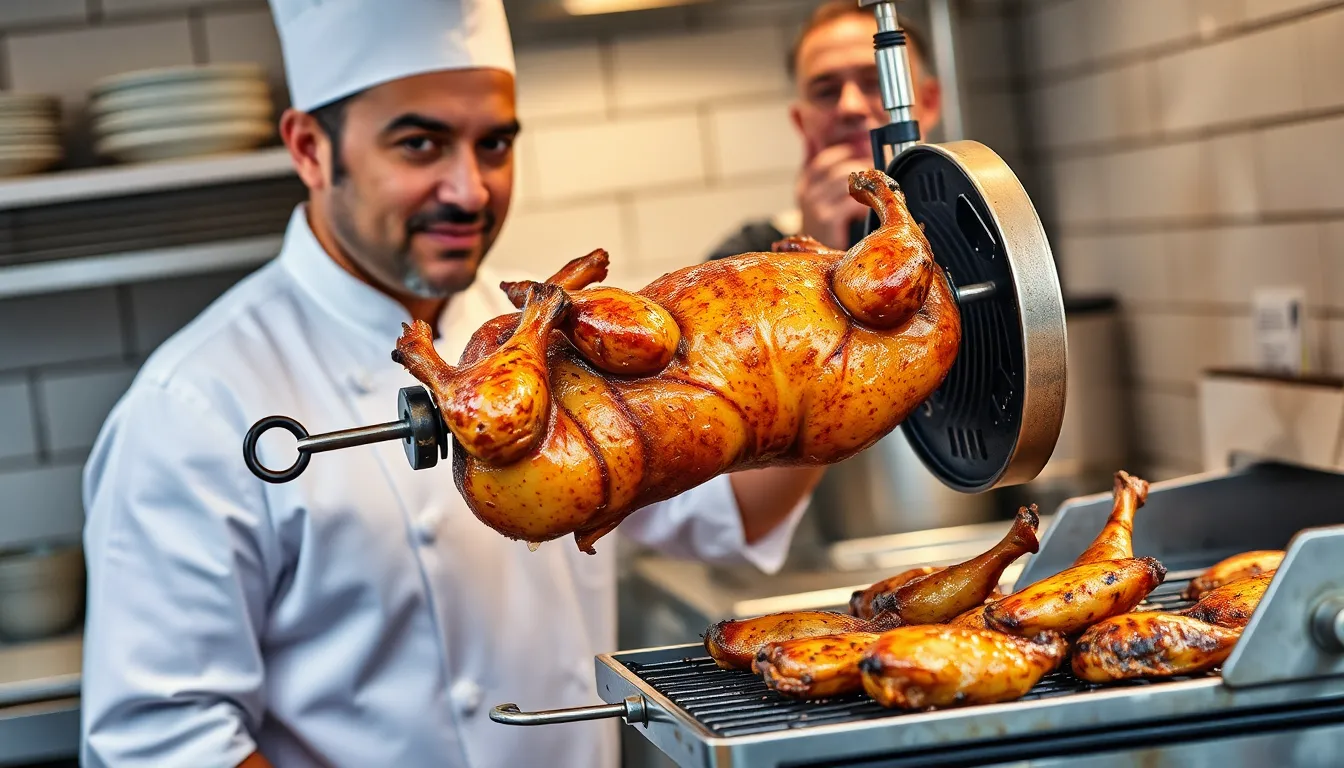
Bird preparation methods vary significantly across cultures, with each technique improving exact flavors and textures unique to different species. Understanding these methods helps maximize both taste and nutritional benefits while ensuring food safety.

Contains no fillers – just 100% sunflower and safflower seed

Classic wild bird food uses the highest quality grains to attract backyard wild Birds

IDEAL FOR WILD BIRDS such as Cardinals, Chickadees, Titmice, Finches, Nuthatches, Grosbeaks, Juncos, Indigo Buntings, Jays and more!
Roasting and Grilling Techniques
Roasting transforms bird meat through dry heat cooking that creates crispy skin while maintaining moisture within the flesh. Whole chicken roasting at 350°F for 20 minutes per pound produces optimal results with golden-brown skin and juicy interior meat. Turkey roasting requires temperature monitoring with internal meat reaching 165°F in the thickest part of the thigh.
Grilling delivers distinct smoky flavors while reducing excess fat content through direct heat cooking. Chicken pieces grill effectively over medium heat for 6-8 minutes per side, creating attractive grill marks and sealing in natural juices. Duck breasts benefit from skin-side-down grilling to render fat properly before flipping.
Spatchcocking accelerates cooking time by removing the backbone and flattening the bird against the grill or roasting pan. This technique reduces cooking time by 25-40% while ensuring even heat distribution throughout the meat. Game birds like quail and pheasant respond exceptionally well to high-heat grilling for 3-4 minutes per side.
Traditional and Modern Cooking Styles
Traditional preparation methods include braising, which involves slow cooking in liquid to tenderize tougher cuts of older birds or game species. French coq au vin exemplifies this technique by simmering chicken pieces in wine with vegetables and herbs for 45-60 minutes. Asian steaming methods preserve delicate flavors while maintaining nutritional integrity through gentle moist heat cooking.
Modern techniques incorporate sous vide cooking that maintains precise temperature control for extended periods. Duck confit prepared sous vide at 140°F for 4-6 hours produces incredibly tender meat while preserving traditional French flavors. Smoking methods using wood chips create complex flavor profiles while extending preservation time.
Fusion cooking styles blend traditional techniques with contemporary ingredients and presentations. Korean fried chicken combines double-frying methods with modern sauce applications for crispy textures and bold flavors. Mediterranean preparations incorporate olive oil poaching techniques that enhance natural bird flavors while adding healthy fats.
Pressure cooking reduces preparation time for whole birds while maintaining moisture content and nutritional value. Electric pressure cookers complete whole chicken preparation in 22-25 minutes compared to traditional 60-90 minute roasting times.
Conclusion
Understanding bird eating habits opens our eyes to nature’s incredible adaptability while bird consumption by humans reflects our diverse cultural heritage and nutritional needs. Whether we’re observing wild birds in our backyards or making informed choices about poultry in our diets we’re connecting with centuries-old relationships between humans and avian species.
The key lies in approaching both aspects responsibly. We can support bird conservation through ethical hunting practices sustainable farming methods and creating bird-friendly environments. When consuming bird meat prioritizing food safety proper preparation and supporting humane farming practices ensures we’re making choices that benefit both our health and the environment.
Our relationship with birds continues evolving as we balance tradition with modern sustainability practices creating a future where both wild bird populations and responsible consumption can coexist harmoniously.

【Attract More Hummingbirds Bee & Ant Resistant】 Designed with 4 flower-shaped feeding ports and a built-in ant moat, this glass hummingbird feeder helps keep nectar accessible to hummingbirds. The circular perch allows multiple birds to feed and rest comfortably at the same time.

ATTRACT HUMMINGBIRDS: These humming birds feeders for outside design with vibrant colors and intricate details, made of a high-quality nectar glass container in a nice retro-style ball shape, ensuring longevity and durability compared to plastic counterparts. Ensuring long-lasting use in outdoor conditions throughout the year and never fading. 5 flower shaped feeding ports, 24 oz capacity with 5 feeding stations, and perch in a circle to accommodate multiple hummingbirds.

Reliable Leak-Resistant Design: Thanks to a precision-fit base and a durable, food-grade silicone gasket, our feeder stays completely drip-free—even when the wind picks up. Say goodbye to wasted nectar and sticky patio furniture. Just hang, fill, and enjoy a clean backyard.
Frequently Asked Questions
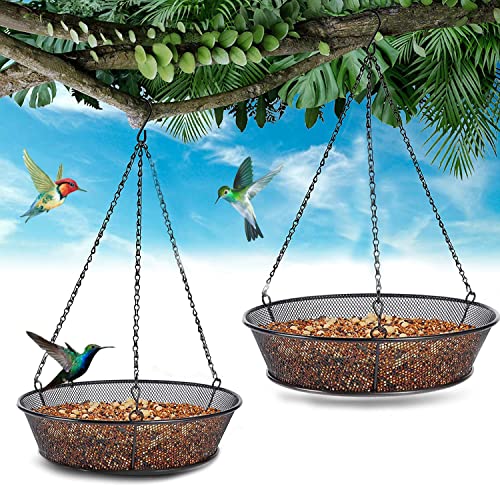
The optimal size (7.2 x 7.2 x 1.2") is precisely proportioned - neither too small nor excessively large, ensuring an appropriate quantity of food. This allows for timely observation and adjustment, preventing the food from sitting for too long and spoiling or mold. As well, regular updates can enhance the joy of feeding and watching.
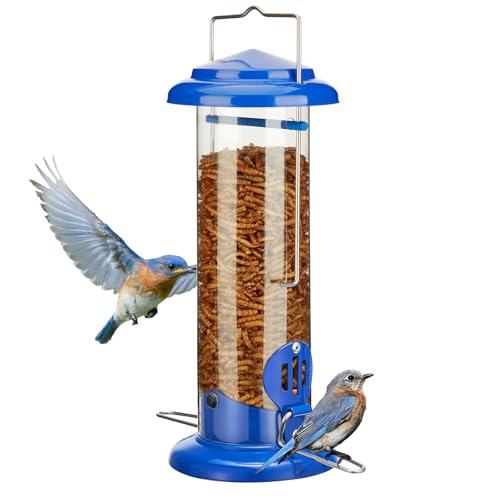
【Tailored for Dried Mealworms】 Great for attracting small birds that love nutritious mealworms, such as bluebirds, robins, wrens and chickadees. Stable perch upgrade allows small birds to eat with peace of mind.
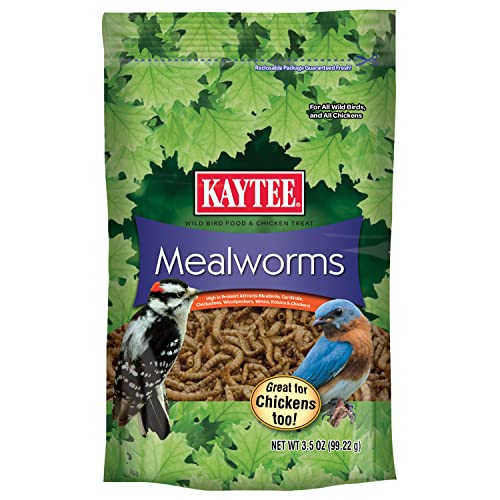
Kaytee Mealworms are an excellent, high-protein food source for many wild birds. They are a high-energy treat that will attract many species of birds that are difficult to attract with traditional seed blends.
What do birds typically eat besides seeds and worms?
Birds have incredibly diverse diets that vary by species. Many consume insects, fruits, nectar, fish, small mammals, and even other birds. Raptors hunt prey, while hummingbirds feed on flower nectar. Some species are omnivores, eating both plant and animal matter. Understanding these varied diets is crucial for creating bird-friendly environments and supporting conservation efforts.
Which birds are most commonly consumed by humans worldwide?
Chicken is the most widely consumed bird globally, with over 70 billion processed annually. Duck and turkey also hold significant cultural importance, particularly in Asian and North American cuisines respectively. Game birds like quail and pheasant are popular in various regions, while exotic options include ostrich, emu, and guinea fowl.
What are the nutritional benefits of eating bird meat?
Bird meat provides exceptional nutritional value with complete proteins containing 20-25 grams per 100-gram serving. It’s generally lower in saturated fat than red meat, making it heart-healthy. Bird meat contains essential B vitamins, iron, and selenium, while being easily digestible and suitable for various dietary requirements.
How does bird farming impact the environment compared to other livestock?
Bird farming, particularly chicken production, generates significantly lower CO2 emissions compared to beef farming. The environmental impact varies by production methods, with small-scale and heritage breed farming offering more sustainable practices. Wild bird hunting can actually contribute to conservation efforts and maintain population balance when properly managed.
What safety precautions should I take when preparing bird meat?
Proper cooking temperatures are essential – chicken and turkey should reach 165°F (74°C) internal temperature. Prevent cross-contamination by using separate cutting boards and utensils. Store bird meat properly in refrigeration and consume within recommended timeframes. Be aware of potential bacteria like salmonella and campylobacter that can cause illness.
What are some traditional bird preparation methods from different cultures?
Cultural preparation methods vary widely – China’s Peking duck, Japan’s yakitori, and Mexico’s turkey mole showcase unique techniques. Traditional methods include roasting, braising, and steaming, while modern approaches incorporate sous vide cooking and fusion styles. Each culture has developed distinct flavoring and cooking techniques that honor their culinary heritage.
Are there ethical considerations when consuming birds?
Yes, ethical considerations include animal welfare concerns in intensive farming versus more humane small-scale operations. Wild bird hunting, when properly regulated, can support conservation efforts. Choosing responsibly sourced bird meat from farms with better welfare standards or participating in sustainable hunting practices can address ethical concerns while supporting conservation.