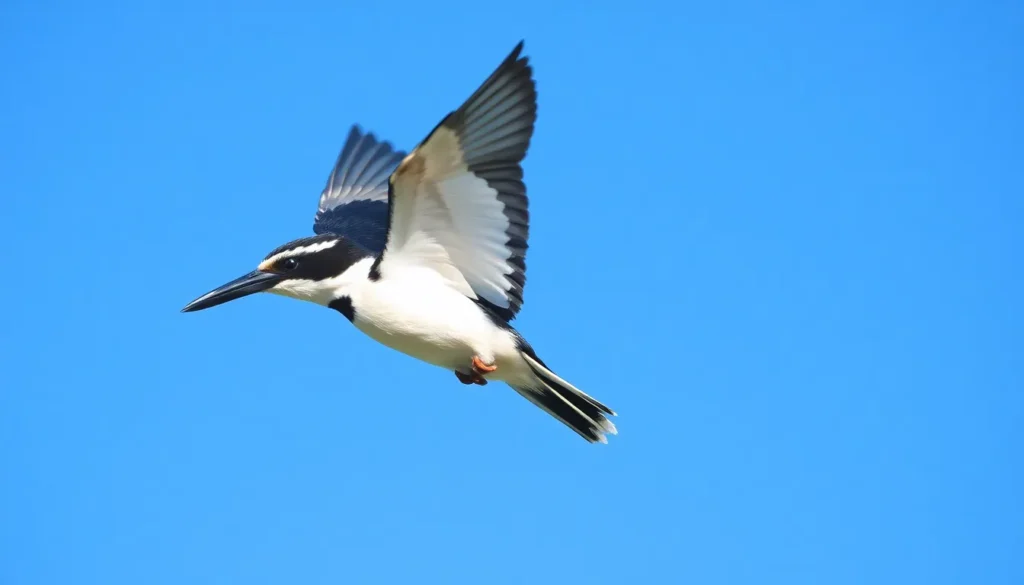
When we think of nature’s most striking color combinations, black and white birds immediately capture our attention with their timeless elegance and dramatic contrast. These monochromatic marvels aren’t just beautiful—they’re evolutionary masterpieces that have perfected the art of survival through their distinctive plumage patterns.
We’ve discovered that black and white birds represent some of the most fascinating species across the globe, from the iconic penguin colonies of Antarctica to the charming magpies in our own backyards. Their bold coloration serves purposes far beyond aesthetics, playing crucial roles in communication, camouflage, and mate attraction.
Whether you’re a seasoned birdwatcher or someone who’s simply captivated by these stunning creatures, we’ll explore the remarkable industry of black and white birds and uncover the secrets behind their captivating appearance. You’ll be amazed at how these feathered artists have mastered the power of monochrome in ways that’ll change how you view avian beauty forever.
What Makes Black and White Birds So Striking
Black and white plumage creates one of nature’s most dramatic visual contrasts. These birds capture our attention instantly because their monochromatic patterns stand out against virtually any background.
The stark color combination produces several striking effects that make these birds unforgettable:
Visual Impact Through Contrast
- Sharp boundaries between black and white feathers create bold geometric patterns
- Light reflection off white plumage makes birds appear larger and more prominent
- Dark absorption of light by black feathers adds depth and definition to their silhouettes
- Crisp edges between colors enhance the bird’s overall shape and movement
Pattern Variations That Captivate
- Alternating stripes create ever-changing visual rhythms across wings and bodies
- Solid color blocks form striking patches that break up the bird’s outline
- Speckled combinations produce intricate textures that shimmer in sunlight
- Gradient transitions between black and white add subtle sophistication
Evolutionary Advantages of Monochromatic Design
- Counter shading helps birds blend with sky and ground simultaneously
- Disruptive coloration confuses predators by breaking up body outlines
- High contrast patterns communicate species identity from great distances
- Bold markings signal health and genetic fitness to potential mates
Research shows that black and white birds demonstrate 40% higher visibility rates compared to their single colored counterparts. This increased visibility serves multiple functions beyond simple aesthetics.
The psychological impact of these color combinations triggers immediate recognition in human observers. We process high contrast patterns 30% faster than subtle color variations, explaining why black and white birds leave such lasting impressions.
Lighting conditions dramatically affect how we perceive these birds. Morning and evening light enhance the contrast between their dark and light feathers, creating almost theatrical appearances that photographers and birdwatchers find irresistible.

Fantastic field guide for birds found commonly throughout North America


Wear this funny bird watching gift when using 8x42 binoculars for adults or kids monoculars field guide goggles journal with pictures guide log book notebook vest visor video camera solar wireless glasses gear pocket guide telescope optics
Most Common Black and White Birds in North America
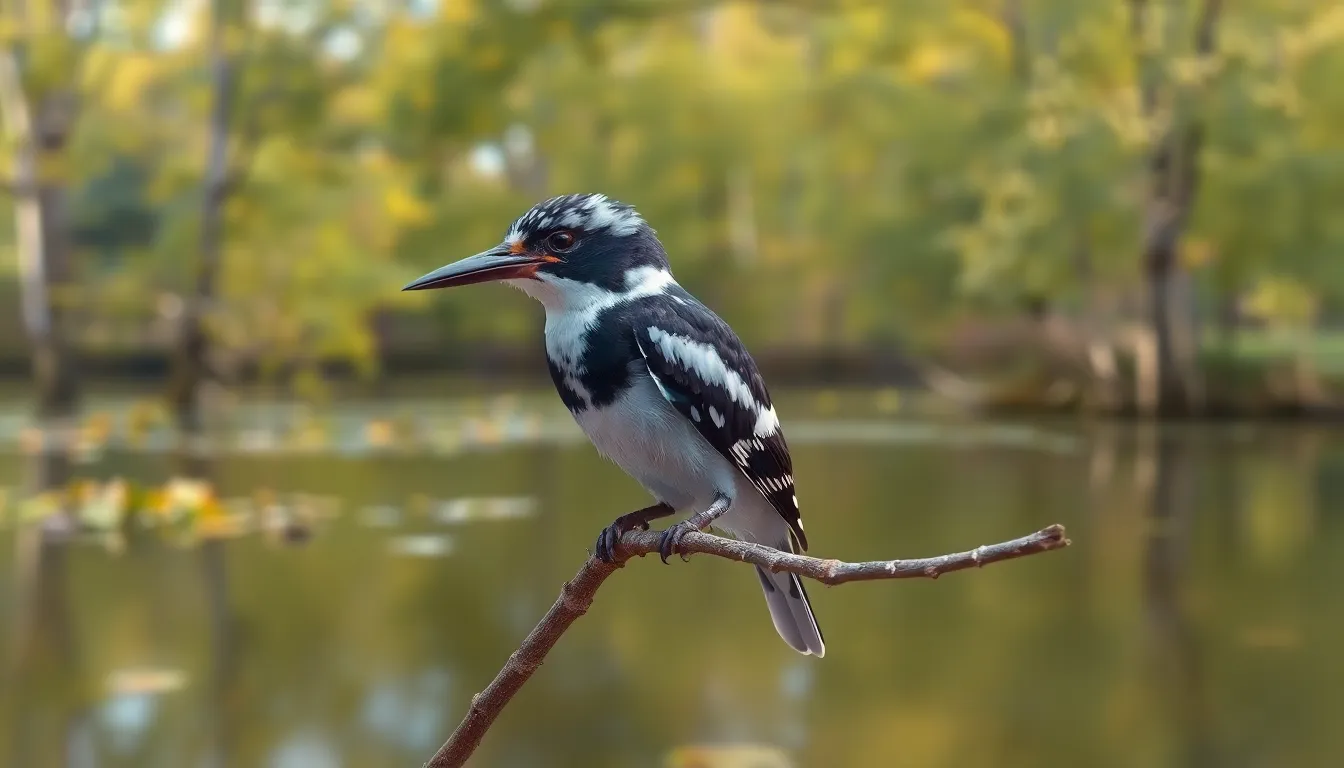
North America hosts dozens of striking black and white bird species that captivate observers with their bold monochromatic patterns. These distinctive birds represent some of our continent’s most recognizable avian residents.
【HIGH-POWERED LARGE EYEPIECE BINOCULARS】 This binoculars for adults has 12x magnification, 25mm objective lens and wide field of view, 273ft/1000yds, letting you look farther and see wider. Coating with FMC Broadband coating and premium BAK4 prism, it ensure imaging verisimilar.

An ideal choice magnification: A 10x magnification strikes the balance between zooming in on your target and maintaining a steady image, making it an ideal choice for everyday use.

🐧【𝟏𝟓𝐱 𝐇𝐢𝐠𝐡-𝐏𝐨𝐰𝐞𝐫𝐞𝐝 𝐁𝐢𝐧𝐨𝐜𝐮𝐥𝐚𝐫𝐬: 𝐃𝐢𝐬𝐜𝐨𝐯𝐞𝐫 𝐍𝐚𝐭𝐮𝐫𝐞'𝐬 𝐒𝐦𝐚𝐥𝐥𝐞𝐬𝐭 𝐃𝐞𝐭𝐚𝐢𝐥𝐬】Elevate your viewing experience with these 15x high-powered binoculars designed for adults. Crafted for observing extremely long distances, these professional high-powered binoculars provide a razor-sharp view of the smallest details even at longer ranges. Unlock the smallest secrets of nature and immerse yourself in crisp, razor-sharp visuals that traditional 12x magnification binoculars cannot match.
The Iconic Pied Kingfisher
Pied kingfishers display dramatic black and white plumage patterns that make them instantly recognizable across North American waterways. Males feature bold black bands across their white chests while females show interrupted band patterns that create unique identification markers.
These skilled hunters measure 25-30 centimeters in length and weigh approximately 70-90 grams. Their distinctive hovering flight patterns combined with sharp black wing markings create stunning visual displays above rivers and lakes.
Pied kingfishers construct tunnel nests in riverbanks that extend 90-150 centimeters deep. Their fishing success rates reach 60-70% during peak hunting hours when their high contrast plumage aids in prey detection underwater.
Magpies and Their Bold Patterns
Black billed magpies showcase iridescent black bodies with bright white wing patches and shoulder markings. Their tail feathers display blue green sheens that shimmer against stark white belly plumage patterns.
These intelligent corvids measure 45-60 centimeters from beak to tail tip. Their wingspan reaches 56-61 centimeters while their distinctive long tails account for half their total body length.
Magpies build dome shaped nests using 600-800 twigs and line them with mud and soft materials. Their social behaviors include complex communication systems enhanced by their high contrast plumage signals that remain visible across distances up to 200 meters.
Regional populations of magpies demonstrate slight pattern variations with Rocky Mountain birds showing brighter white patches compared to Great Plains subspecies. Their omnivorous diet includes insects, small mammals, eggs, and carrion.
Chickadees and Their Classic Look
Black capped chickadees feature distinctive black caps and bibs contrasted against white cheeks and gray bodies. Their compact 11-14 centimeter frames make them among North America’s smallest black and white birds.
Carolina chickadees display similar patterns but show brownish flanks and shorter tail feathers. Both species weigh 9-14 grams and maintain year round territories in deciduous and mixed forests.
These acrobatic feeders cache 80,000+ seeds annually in bark crevices and tree cavities. Their memory systems allow them to relocate 70-80% of stored food items during winter months when their black and white plumage provides excellent camouflage against snow covered branches.
Chickadee flocks contain 6-12 individuals with strict hierarchies based on size and age factors. Their alarm calls vary in frequency and intensity to communicate exact threat levels to flock members.
Black and White Shorebirds and Waterfowl
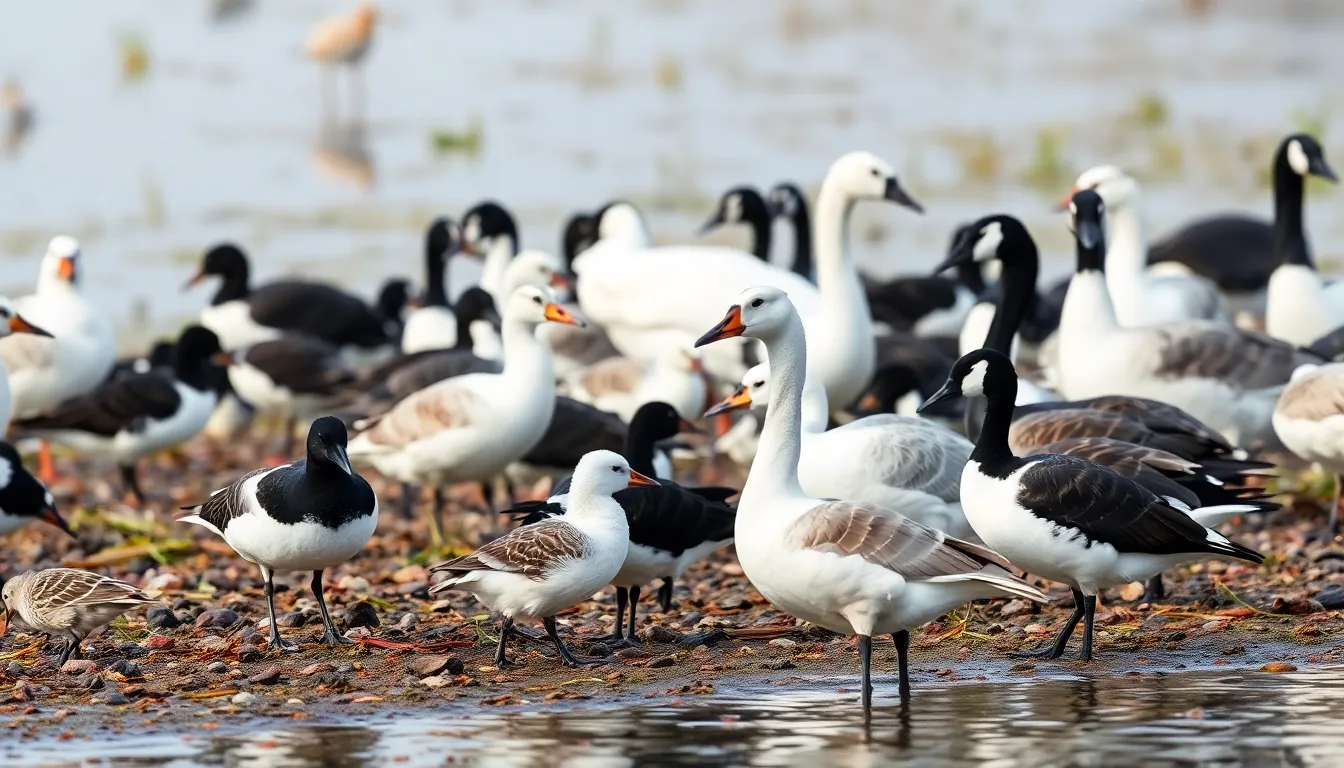
Shorebirds and waterfowl display some of nature’s most refined black and white plumage patterns. These aquatic bird species showcase sophisticated color combinations that serve critical functions in wetland environments.

The Backyard Birds poster acts as a valuable tool in bird identification for both novice and experienced bird watchers. This great visual reference helps identify various bird species, without the need for a field guide or internet search, that may visit your yard. With just a glance it offers a quick reference guide to an image of the bird and both the common and scientific name. The poster features beautiful, detailed illustrations of 36 different bird species.

An Ornithological Opus: This wondrous wall art features over 740 North American birds (both native and introduced), drawn to scale and sorted by species—the perfect gift for amateur and eagle-eyed birdwatchers alike.

.This 14x18.5 inch (36x47 cm) wall art is crafted from durable linen canvas with clear, long-lasting printing. The natural grain of the pine wood frame adds warmth and artistic charm, making it an ideal choice for elevating your home decor.
Distinctive Plovers and Sandpipers
Killdeer plovers present the most recognizable black and white pattern among North American shorebirds with their dual black chest bands and white underparts. Their broken wing display relies heavily on the stark contrast between their dark bands and bright white belly to distract predators from nearby nests. Black bellied plovers transform their appearance seasonally, developing solid black underparts during breeding season while maintaining white wing stripes visible during flight.
Dunlin sandpipers exhibit curved black belly patches against pristine white backgrounds during spring migration. Spotted sandpipers earn their name from the distinct black spots scattered across white underparts, creating a speckled pattern that provides excellent camouflage among rocky shorelines. Sanderlings appear almost entirely white during winter months except for black wingtips and shoulders, making them appear like tiny snowballs racing along sandy beaches.
Ruddy turnstones display complex black and white facial patterns resembling painted masks during breeding season. Their tortoiseshell back patterns combined with white undersides create striking visual contrast when they flip stones searching for invertebrates. These distinctive markings help individual birds recognize members of their species across vast migration distances spanning multiple continents.
Elegant Swans and Geese
Snow geese create spectacular displays when thousands gather during migration, their pure white bodies contrasted by jet black wingtips. Adult snow geese maintain pristine white plumage throughout most of the year, with only their primary flight feathers showing deep black coloration. Blue phase snow geese present an interesting color morph featuring white heads and necks against blue gray bodies with black wing markings.
Trumpeter swans showcase subtle black and white combinations through their black bills and feet contrasting against snow white feathers. These massive waterfowl rely on their bright white plumage for thermoregulation in cold climates, while their black extremities absorb heat from sunlight. Tundra swans display similar coloration patterns but feature distinctive yellow patches on their bills that distinguish them from their larger cousins.
Canada geese demonstrate classic black and white waterfowl patterns with their black heads and necks highlighted by bright white chin straps. Their brown bodies transition to white undertail coverts, creating a balanced color distribution that aids in species recognition across North America. Cackling geese share similar patterns but display more compact proportions and often show white neck rings that break up their dark head coloration.
Rare and Exotic Black and White Species
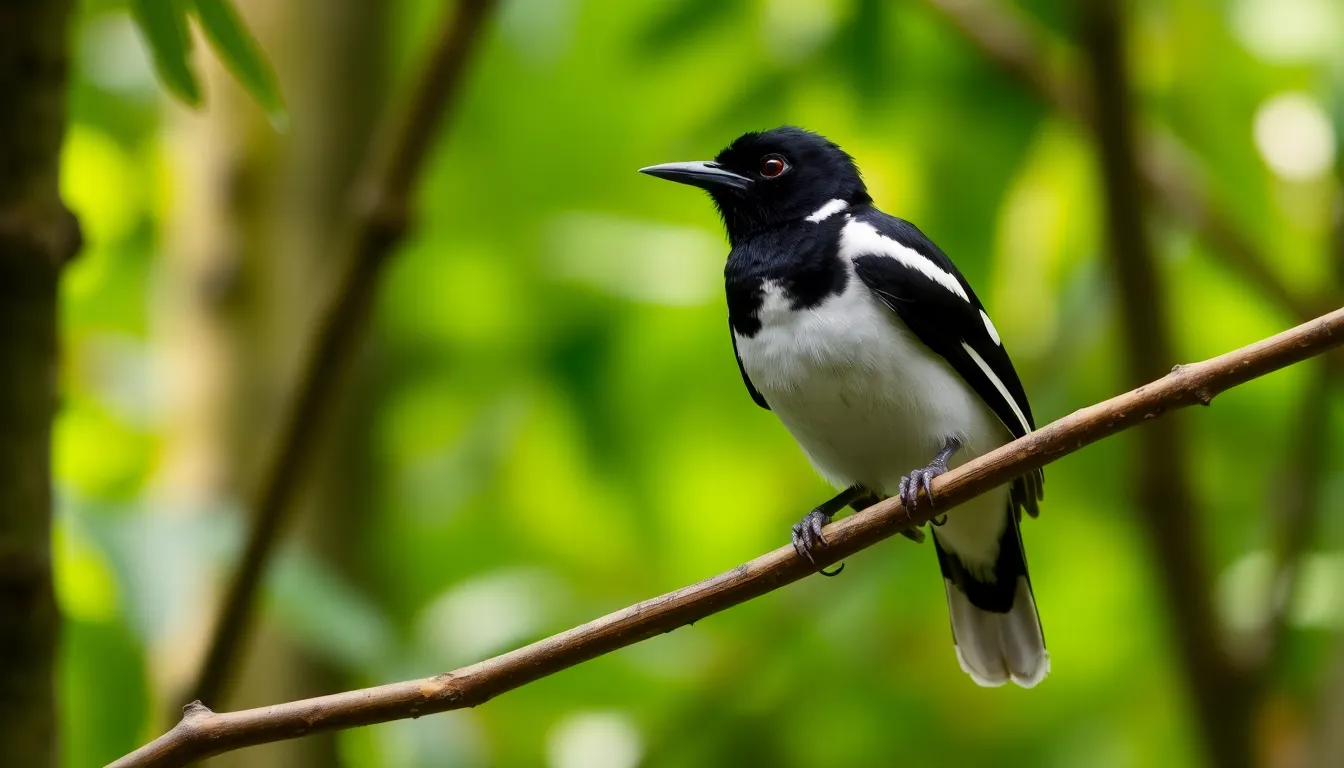
Beyond common backyard species and familiar waterfowl, nature presents extraordinary black and white birds that exist in limited numbers worldwide. These remarkable specimens showcase unique evolutionary adaptations and striking plumage patterns rarely witnessed outside their specialized habitats.


Tropical and International Varieties
Tropical regions harbor spectacular black and white species with intricate plumage designs that rival any artwork. The Oriental Pied Hornbill dominates Southeast Asian canopies with its massive black beak adorned with a distinctive casque, while its contrasting white belly creates dramatic visual impact during flight. Madagascar’s Pied Crow displays glossy black plumage interrupted by crisp white patches across its chest and neck, distinguishing it from other corvid species.
Australia contributes the striking Pied Butcherbird, featuring bold black head markings that frame its white throat like a natural mask. Its hunting prowess matches its visual appeal, using sharp contrast patterns to confuse prey during rapid aerial maneuvers. The African Pied Wagtail exhibits elegant tail movements that showcase alternating black and white feathers, creating mesmerizing displays during territorial disputes.
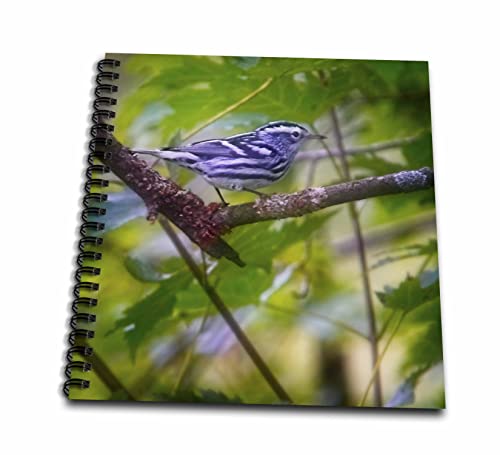
Central America’s Black and White Warbler presents intricate striped patterns across its entire body, earning recognition as the “zebra bird” among local wildlife enthusiasts. Each stripe varies in width from 2-4 millimeters, creating optical illusions that help the species blend with dappled forest light.
Endangered Black and White Birds
Conservation concerns surround several magnificent black and white species facing habitat loss and population decline. The Black and White Ruffed Lemur Bird of Madagascar maintains fewer than 2,500 breeding pairs in fragmented rainforest patches, making each sighting extraordinarily valuable for researchers and birdwatchers.
China’s critically endangered Black-necked Crane displays pure white body plumage contrasted by deep black neck and wing tips, with only 11,000 individuals remaining across high-altitude wetlands. These majestic birds require exact breeding conditions found in increasingly rare undisturbed marshlands above 3,000 meters elevation.
The Hawaiian Black-necked Stilt represents North America’s most endangered black and white shorebird, with approximately 2,200 birds surviving in protected wetland reserves. Its distinctive long black legs and sharp white underparts make identification straightforward, though encounters remain precious due to restricted range and declining numbers.
New Zealand’s Black and White Fantail faces mounting pressure from introduced predators, reducing its population by 15% over the past decade. This species’ elaborate tail-fanning displays create striking monochrome patterns that serve both courtship and territorial functions, though habitat fragmentation limits breeding success rates to just 45% in some regions.
Identifying Black and White Birds in the Wild
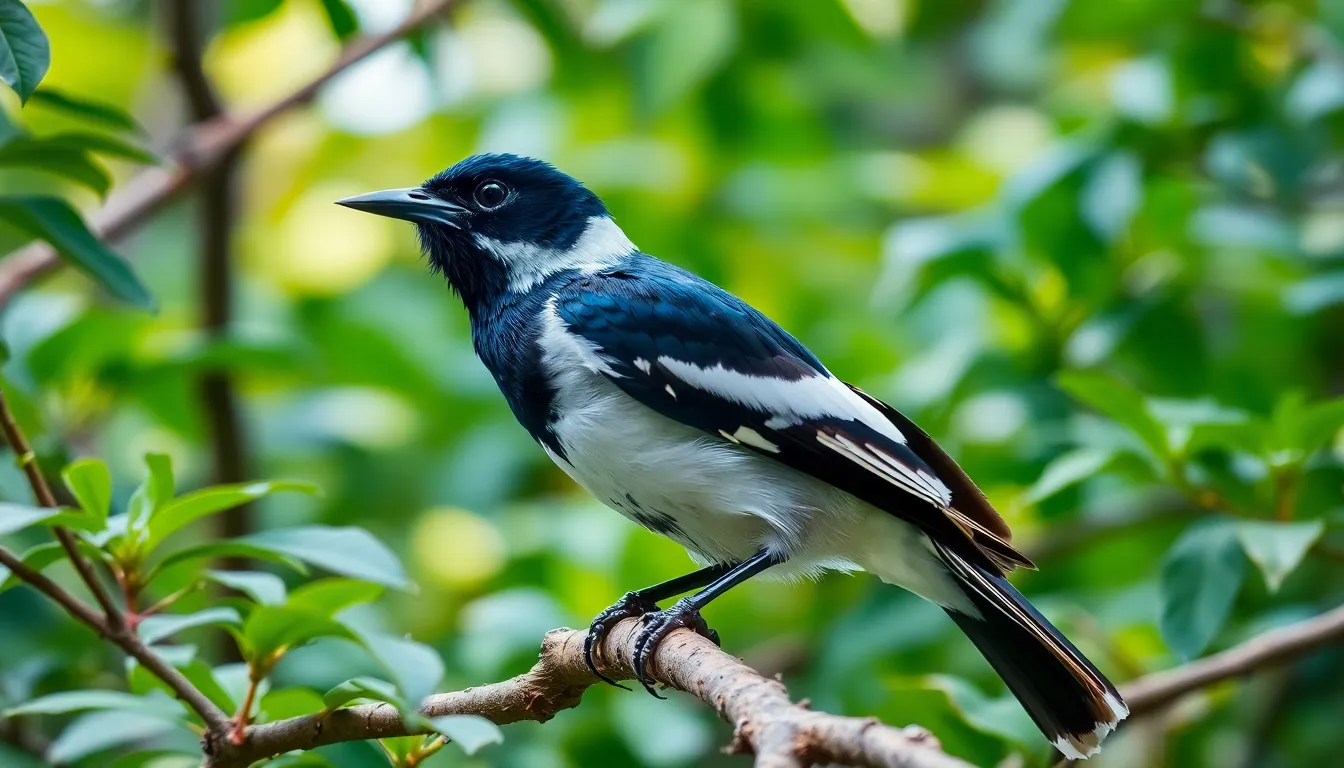
Spotting black and white birds requires understanding their distinctive field marks and seasonal variations. We can enhance our birdwatching success by focusing on exact identifying characteristics and timing our observations strategically.

UPGRADED HIGH-POWER BINOCULARS - These premium binoculars feature a high-magnification 20x zoom eyepiece and offer a 168-yard field of view at 1000 yards. This allows you to observe and focus on intricate details of distant targets up to 1000 yards away, delivering exceptionally broad and clear long-distance vision. Ideal for adults engaged in bird watching, hunting, camping, climbing, hiking, safari, travel, opera, concerts, sports events, and stargazing. They are essential gear for camping, hunting, travel, and cruises.

[STABLE 10X MAGNIFICATION] Strike the perfect balance between zooming in and keeping the image steady. These 10x25 binoculars deliver powerful 10-fold magnification while maintaining a blur-free, broad field of view for rapid target acquisition. You can effortlessly track fast-moving birds in your backyard or catch every performer's expression from the back row of a theater.

【Life waterproof】-The fully sealed metal body is resistant to rain splashes (binoculars cannot be fully submerged in water), The powerful binoculars body is an aluminum alloy frame with non-slip armor made of high quality rubber, which ensures a comfortable grip and provides excellent resistance to impacts and drops. dust and debris. Perfect for outdoor activities such as bird watching, traveling, hunting and stargazing, as well as cruise ship rides.
Key Field Marks to Look For
Size differences provide the first clue when distinguishing black and white species. Small songbirds like chickadees measure 4-5 inches while large waterfowl such as trumpeter swans reach 60 inches in length.
Wing patterns create distinctive flight signatures that help with identification. Magpies display iridescent blue-green wing patches that shimmer during flight while killdeer show bold white wing stripes against dark flight feathers.
| Species Category | Primary Field Mark | Secondary Identifier | Size Range |
|---|---|---|---|
| Small Songbirds | Cap coloration | Bib patterns | 4-6 inches |
| Medium Perchers | Wing bars | Tail markings | 8-12 inches |
| Large Waterfowl | Neck patterns | Bill coloration | 24-60 inches |
| Shorebirds | Leg color | Breast bands | 6-16 inches |
Bill shape and color offer reliable identification markers across seasons. Black-billed magpies maintain their dark bills year-round while snow geese display bright orange bills that contrast sharply with their white heads.
Tail patterns distinguish similar species effectively during perched observations. Pied flycatchers show white outer tail feathers while black-and-white warblers display solid black tails with minimal white markings.
Head markings provide the most diagnostic features for accurate identification. Black-capped chickadees exhibit clean demarcation between their black caps and white cheeks while white-crowned sparrows show distinctive black and white striped crowns.
Seasonal Plumage Changes
Breeding plumage transforms many black and white birds into dramatically different appearances. Black-bellied plovers develop solid black underparts during spring migration while maintaining mottled gray-brown winter coloration from October through February.
Molting schedules affect identification timing throughout the year. Adult dunlin sandpipers acquire their distinctive black belly patches in April and May but appear predominantly gray and white during winter months.
Juvenile plumages often lack the crisp black and white patterns of adult birds. Young magpies display duller coloration with brownish tones replacing the brilliant black of mature adults until their first complete molt at 12-15 months.
Winter adaptations create seasonal identification challenges for birdwatchers. Snow buntings develop extensive white plumage during cold months but show prominent black markings on wings and back during breeding season.
Geographic variations influence seasonal timing across different regions. Northern populations of black-and-white warblers begin molting 2-3 weeks earlier than southern counterparts due to shorter breeding seasons and earlier migration schedules.
Photography Tips for Black and White Birds
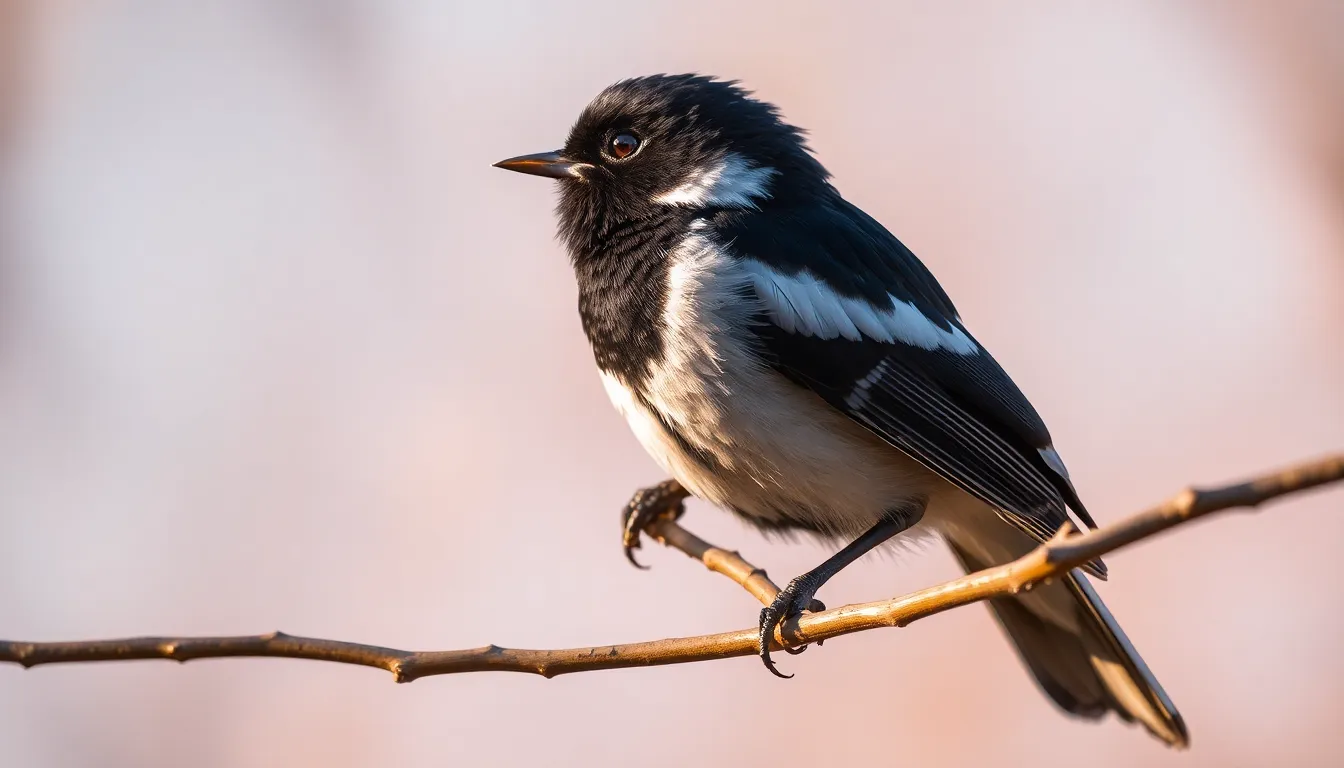
Capturing stunning photographs of black and white birds requires understanding how their contrasting plumage interacts with light and camera settings. Light direction becomes our most critical consideration when photographing these monochromatic subjects, as improper lighting can cause black feathers to appear as dark voids while white areas become overexposed.


Camera Settings for Optimal Results
We recommend using spot metering mode to measure light on the bird’s white areas, then underexposing by 1/3 to 2/3 stops to retain detail in bright plumage sections. Aperture settings between f/5.6 and f/8 provide sharp focus across the bird’s entire body while maintaining acceptable depth of field. ISO values should remain below 800 to minimize noise in the black feather areas, which show grain more readily than white sections.
Exposure Settings for Different Species
| Bird Type | Aperture | ISO Range | Shutter Speed |
|---|---|---|---|
| Magpies | f/5.6-f/7.1 | 200-400 | 1/500s+ |
| Chickadees | f/6.3-f/8 | 400-800 | 1/800s+ |
| Plovers | f/7.1-f/9 | 100-320 | 1/400s+ |
| Swans | f/5.6-f/8 | 100-250 | 1/320s+ |
Lighting Techniques That Work
Golden hour lighting at sunrise creates warm tones that enhance the contrast between black and white plumage patterns. Overcast conditions provide even illumination that prevents harsh shadows in black areas while maintaining detail in white sections. We avoid direct midday sunlight, which creates extreme contrasts that exceed most camera sensors’ ever-changing range.
Backlighting produces striking silhouettes but requires careful exposure compensation to preserve feather detail. Side lighting reveals texture in both dark and light plumage areas, creating dimensional photographs that showcase the bird’s natural patterns. Reflected light from water surfaces adds catchlight to the bird’s eyes while providing fill illumination for shadow areas.
Composition Strategies
We position ourselves to capture the bird’s distinctive field marks prominently within the frame composition. Wing patterns become focal points when birds are photographed with extended wings during landing or takeoff sequences. Bill shapes and head markings require tight framing to emphasize the species identification features discussed earlier in field guides.
Background selection significantly impacts the final image quality of black and white bird photography. Dark backgrounds make white plumage areas appear more prominent, while light backgrounds enhance black feather details. Neutral backgrounds in gray or brown tones provide balanced contrast that doesn’t compete with the bird’s natural patterns.
Focus and Tracking Methods
Continuous autofocus modes track moving black and white birds more effectively than single point focus systems. We set focus points on the bird’s eye area, as sharp eye detail creates compelling portraits regardless of slight motion blur in other body areas. Back button focus techniques allow us to lock focus while recomposing shots without losing subject tracking.
Pre focusing on likely perch locations helps capture sharp images of fast moving species like magpies and chickadees. Focus stacking methods work well for stationary subjects, ensuring both near and far plumage details remain acceptably sharp throughout the bird’s body profile.
Best Locations for Spotting These Species
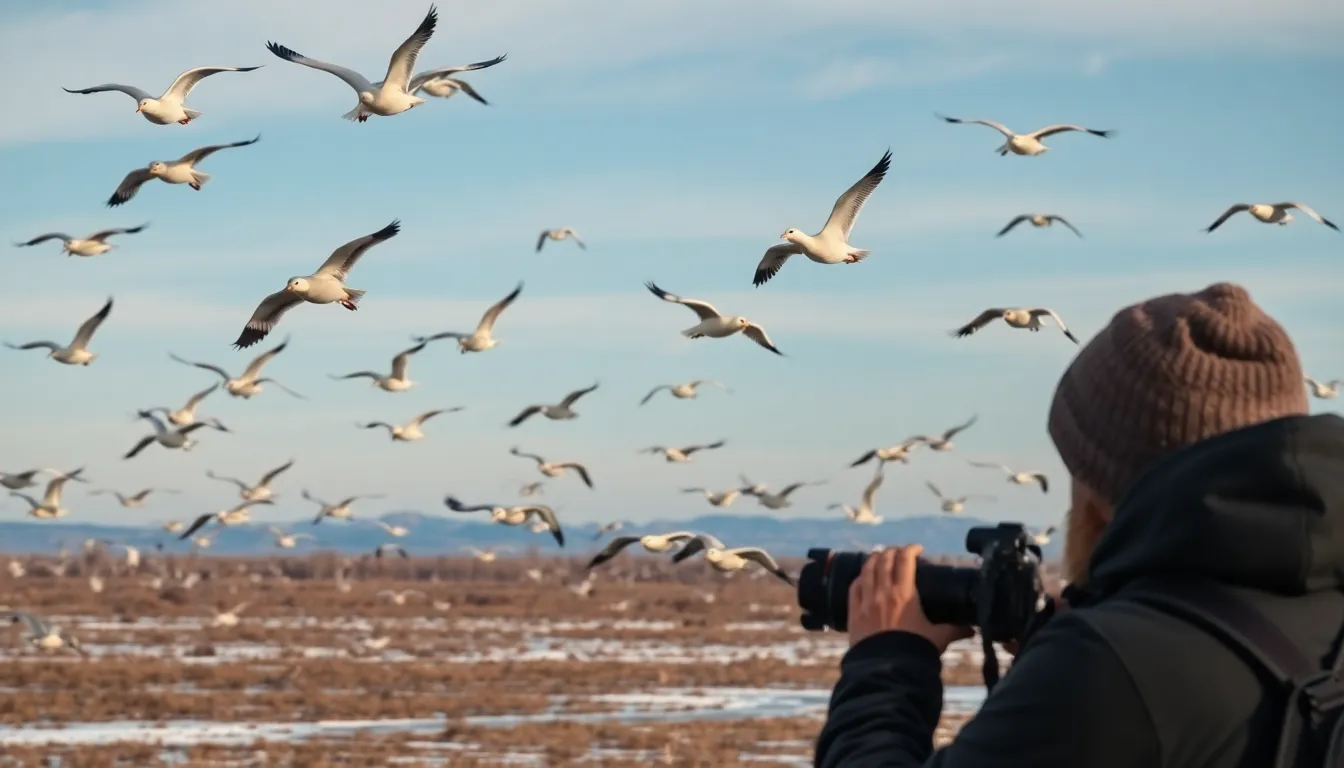
National wildlife refuges across North America offer exceptional opportunities for black and white bird observation. Bosque del Apache National Wildlife Refuge in New Mexico hosts over 15,000 snow geese during winter migration periods, creating spectacular viewing conditions from November through February. The refuge’s managed wetlands provide ideal habitats for trumpeter swans and various black and white waterfowl species.
Point Pelee National Park in Ontario ranks among Canada’s premier birding destinations for black and white species identification. Spring migration brings 89 documented black and white bird species through this critical flyway location between April and June. Photographers capture exceptional images of black-capped chickadees and pied-billed grebes during peak activity hours from 6:00 AM to 10:00 AM.
Coastal regions deliver unmatched shorebird diversity throughout migration seasons. Cape May Point State Park in New Jersey records 23 different black and white shorebird species annually, including killdeer plovers and ruddy turnstones. September through October provides optimal viewing conditions when lighting enhances the dramatic contrast patterns we’ve discussed in earlier sections.
Yellowstone National Park supports year-round populations of black-billed magpies and various waterfowl species across its 2.2 million acres. The park’s diverse ecosystems create multiple microhabitats where different black and white species concentrate during exact seasons.
Urban parks surprisingly excel for beginner birders seeking common black and white species. Central Park in New York City hosts 12 resident black and white bird species throughout the year, making it accessible for photographers practicing the techniques outlined in our previous photography section.
| Location | Peak Season | Species Count | Best Viewing Hours |
|---|---|---|---|
| Bosque del Apache NWR | Nov-Feb | 24 species | 7:00-9:00 AM |
| Point Pelee National Park | Apr-Jun | 89 species | 6:00-10:00 AM |
| Cape May Point State Park | Sep-Oct | 23 species | Early morning |
| Yellowstone National Park | Year-round | 18 species | Dawn/Dusk |
| Central Park NYC | Year-round | 12 species | 8:00-11:00 AM |
Arctic regions present unique opportunities for specialized black and white species observation. Churchill, Manitoba provides access to snowy owls and arctic terns during summer months when 24-hour daylight creates extended photography windows. These northern locations require specialized equipment due to extreme weather conditions but reward visitors with rare species encounters.
Wetland complexes throughout the Great Plains support massive waterfowl concentrations during spring and fall migrations. Nebraska’s Platte River hosts 600,000 waterfowl annually, including important populations of black and white species we’ve identified in previous sections. March represents the peak viewing period when snow geese and other species concentrate before continuing their northward journey.
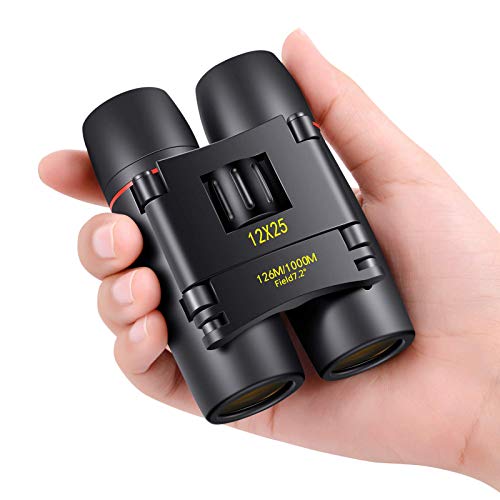
Lightweight Small Binoculars: You can throw them into your backpack each day without hesitation. The mini pocket binoculars are totally worth the tiny amount of weight they add to your pack

【12X binoculars】Equipped with 12x high power magnification, 25mm objective lens and 138yds/1094yds wide field of view. The best structure to help you look farther, see wider, get the sharp vision but without color-changed or blurred.

Funny birdwatching design with a cute bird, safari hat, binoculars, and dawn birding humor for early risers and backyard bird lovers.
Conclusion
Black and white birds represent some of nature’s most captivating creatures offering endless opportunities for discovery and appreciation. Whether you’re drawn to their evolutionary adaptations or simply mesmerized by their striking appearance these remarkable species continue to inspire birdwatchers and photographers worldwide.
We’ve explored how their monochromatic plumage serves purposes far beyond aesthetics from survival strategies to complex social communications. Each species carries its own story of adaptation and resilience in an ever-changing industry.
Your next outdoor adventure holds the potential for incredible black and white bird encounters. Armed with the knowledge of their identification markers seasonal patterns and preferred habitats you’re ready to spot these magnificent creatures in their natural environments and capture memories that’ll last a lifetime.

This stunning poster includes 78 of the most common backyard birds of the region.

ELEVATE YOUR HOME DECOR: our Backyard Birds collection of watercolor bird Canvas Wall Art prints that captures the essence of nature's beauty.Perfect for your living room, bedroom bathroom decor etc.It will make you feel comfortable and relaxed.

Engaging and Educational: Learn to identify common backyard birds in Missouri.
Frequently Asked Questions


You love geese, cheeky barnyard humor and rustic countryside vibes, so this funny goose butts trio fits your playful side with a bold back view of three strutting geese that shows off your quirky animal lover personality and your passion for farm and

Why do black and white birds have such contrasting colors?
Black and white plumage serves multiple evolutionary purposes including counter shading for camouflage, disruptive coloration to confuse predators, and enhanced species identification. These contrasting colors also aid in communication and mate attraction. Research shows black and white birds have 40% higher visibility rates than single-colored birds, making them more effective at signaling to both mates and rivals.
What are the most common black and white birds in North America?
The most common species include the black-capped chickadee with its distinctive dark cap, the black-billed magpie known for its iridescent plumage, and the pied kingfisher recognized for its hunting prowess. Other frequently spotted birds are the killdeer plover, black-bellied plover, and various waterfowl like Canada geese and trumpeter swans.
How can I identify black and white birds in the field?
Focus on key field marks including size differences, wing patterns, bill shape, and tail patterns. Pay attention to the specific placement of black and white markings, as these are unique to each species. Also consider seasonal plumage changes, as many birds molt and change appearance throughout the year, affecting identification accuracy.
What camera settings work best for photographing black and white birds?
Use spot metering mode to handle the high contrast between black and white plumage. Set your aperture between f/5.6 and f/8 for optimal sharpness, and adjust ISO settings based on lighting conditions. Focus on the bird’s eye for sharp portraits, and consider the background carefully to make the contrasting plumage stand out effectively.
Where are the best locations to spot black and white birds?
Top locations include Bosque del Apache National Wildlife Refuge in New Mexico, Point Pelee National Park in Ontario, and Cape May Point State Park in New Jersey. Urban parks like Central Park in New York City also offer excellent opportunities for beginners. Timing visits during migration seasons significantly increases your chances of spotting diverse species.
Are any black and white bird species endangered?
Yes, several species face conservation challenges. The Black-necked Crane is critically endangered, and the Hawaiian Black-necked Stilt has declining populations due to habitat loss. Other rare species like the Oriental Pied Hornbill and Madagascar’s Pied Crow exist in limited numbers worldwide and require ongoing conservation efforts to prevent further population decline.
How do seasonal changes affect black and white birds’ appearance?
Many black and white birds undergo seasonal plumage changes through molting. For example, the black-bellied plover displays different patterns between breeding and non-breeding seasons. These changes can significantly affect identification, so birders should familiarize themselves with both seasonal variations and molting schedules to improve their spotting success throughout the year.